



Qatar on Tuesday warned that the war in the Middle East is approaching a point where it could become uncontrollable, following US President Donald Trump’s deadline for Iran to reopen the Strait of Hormuz.
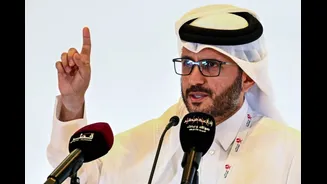
“We have been warning since 2023 that escalation left unchecked will get us into a situation where it cannot be controlled and we are very close to that point,” Qatar’s foreign ministry spokesman Majed al-Ansari said at a press briefing.
He added that “all parties to find a resolution to find a way of ending this war before it’s too late”.
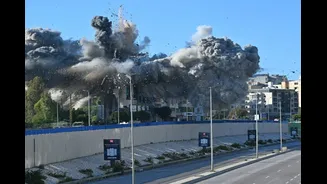
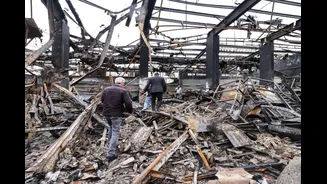
Al-Ansari stressed that the prolonged hostilities serve no state’s long-term interest. “There are no winners if this war continues,” he said. He also condemned attacks on civilian and energy infrastructure, saying such actions “should not be accepted” by any party.
ALSO READ: ‘Lasting Peace, Halt To Strikes & Compensation’: Iran Lists Preconditions For Talks With US
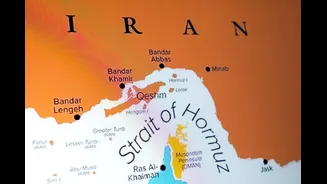
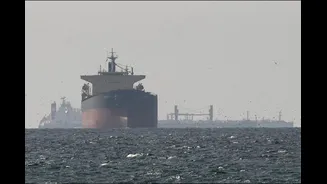
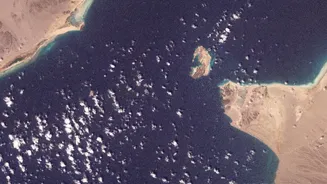
Addressing tensions over regional maritime corridors, al-Ansari said the Strait of Hormuz, a key global oil transit point, should remain open to all nations. He warned that Qatar faces risks to food, water, and environmental security if the conflict escalates further.
“We hope that we can remain there and we are able to walk back from there to a more safe environment. But obviously we are quite concerned with all that is happening right now,” he said.
The warning came after Qatar’s Prime Minister Sheikh Mohammed bin Abdulrahman Al Thani rejected attacks on civilian infrastructure in a call with Iran’s Foreign Minister Abbas Araghchi.
Thani “emphasised that targeting civilian infrastructure… is a rejected and condemned behaviour by any party under any circumstances”, Qatar’s foreign ministry said in a statement on Monday.
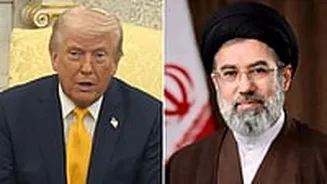
Trump, meanwhile, threatened on Monday that “the entire country” of Iran “could be taken out in one night” if it did not reopen the strait by 0000 GMT Wednesday.
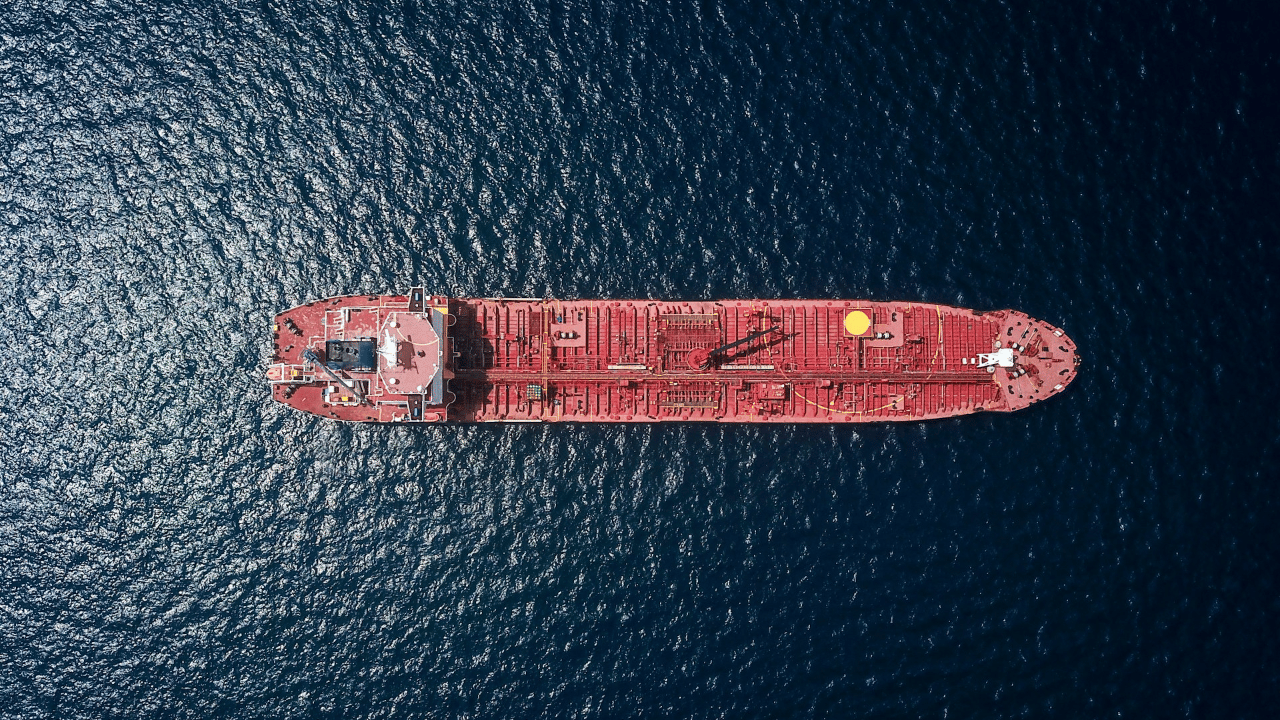
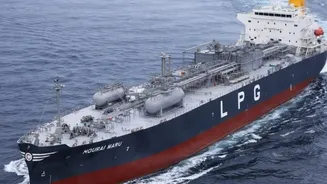
Gulf countries have recently faced repeated drone and missile attacks from Iran in response to US and Israeli strikes since late February. Iran has also effectively blocked the Strait of Hormuz, through which around one‑fifth of the world’s oil normally passes, while targeting hydrocarbon infrastructure in oil-rich Gulf states.
(With inputs from agencies)