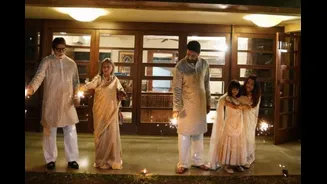









Amitabh Bachchan’s bungalow, Jalsa, is among the iconic places in Mumbai, but do you know that the property is not owned by the actor himself? Interestingly, the property was originally called Mansa and
was reportedly given to Amitabh Bachchan as payment for his 1982 film Satte Pe Satta. However, he sold the bungalow later.
In an interview with the Free Press Journal, the actor spoke about Jalsa, which was earlier known as Mansa. However, the property found its way back to him after Jaya Bachchan reportedly urged him to buy it again.
On Jaya’s demand, Big B bought the bungalow at a significantly higher market price and subsequently renamed it Jalsa. Now, the iconic property is in the headlines because of a property dispute. The matter is currently before the Deputy Registrar of Co-operative Societies in Andheri and concerns an alleged discrepancy in ownership records.
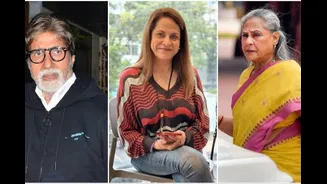
While records by the Kapol Housing Society reportedly identify Jaya Bachchan as the owner of Jalsa, the Maharashtra government’s Property Card recognises Ramola as the owner.
Ramola is the sister-in-law of Amitabh Bachchan, who is married to Big B’s younger brother, Ajitabh Bachchan. The dispute is currently in the headlines and has resurfaced after an attempt to update the owner’s name to Jaya Bachchan was made.
Amitabh Bachchan’s sister-in-law, Ramola Bachchan, is challenging the 1993 gift deed that transferred the bungalow to Jaya Bachchan. She claims the transfer happened without her knowledge or consent and has questioned its validity.
Amitabh Bachchan’s Emotional Note On Jalsa
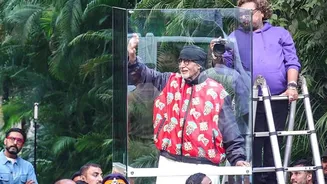
Recently, Big B spoke about Jalsa and wrote, “Your blessings and your love, for those few minutes in your busy lives taken out for me, are nothing short of a divine presence.”
He further added, “JALSA, the blessings of millions for my home, one that has given me a roof for more than three decades. One that has blessed my children on the days of their birth and their weddings. One where the children grew up and where their children are growing up.”
“One that manifests the joys and happiness of near and dear ones; one that reflects our way of living; one that brings celebration and existence in the togetherness of time, ever,” he concluded.