







Escalating tensions in the Middle East could soon cast a shadow over India’s agricultural exports, particularly the globally prized Alphonso mangoes from the Konkan region. Amid the onoing US-Israel-Iran
conflict, instability in the Gulf has raised concerns about disruptions to trade and logistics at the start of the export season.
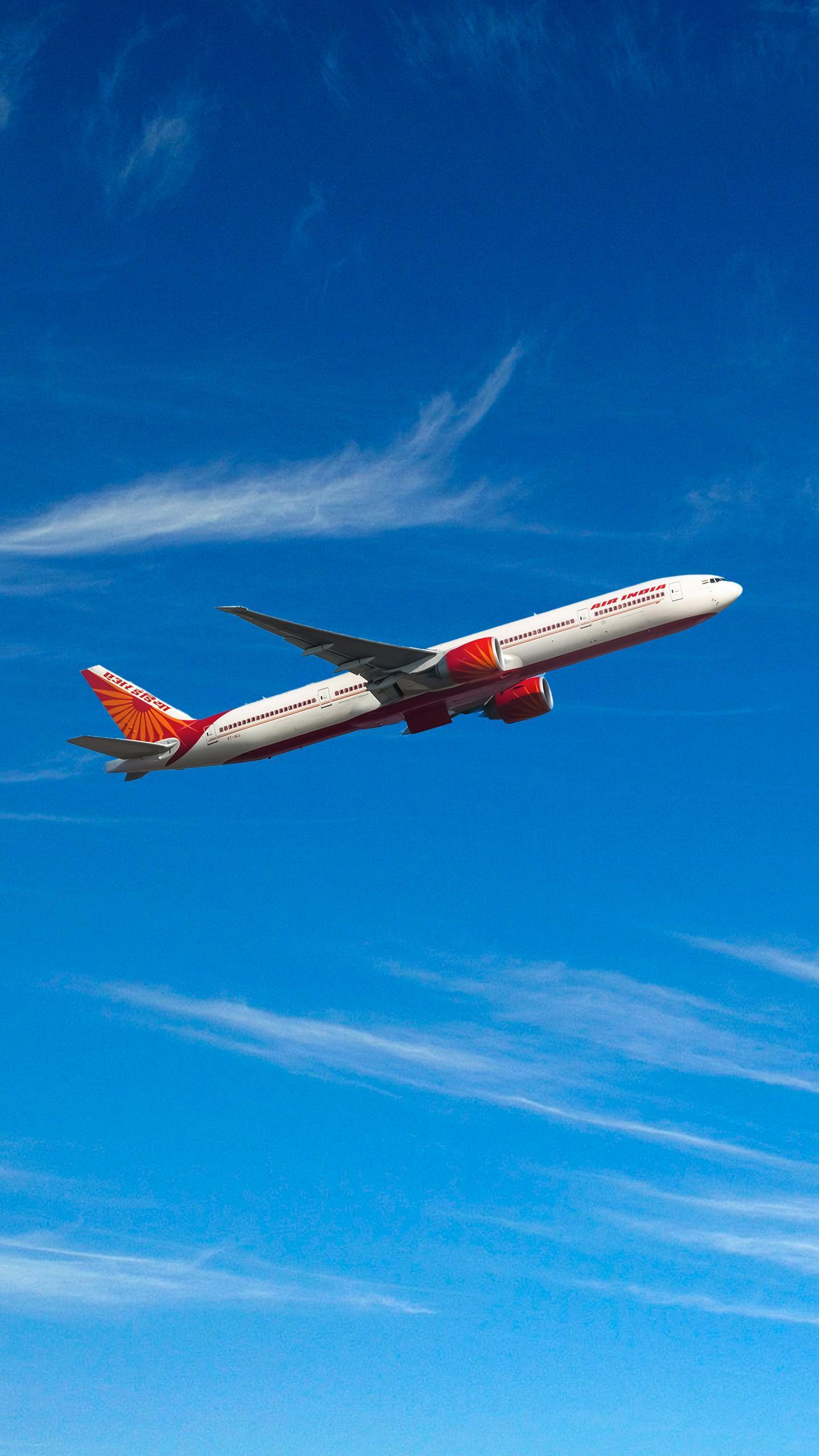
Mango growers and exporters in Maharashtra fear that if the West Asia tension does not stabilise by March 15, shipments of Alphonso and other varieties could suffer significantly. Chandrakant Mokal, president of the Maharashtra State Mango Growers Association, has expressed apprehension that the ongoing conflict may affect air cargo movement and trade routes at a crucial time for exporters.
The export season for Konkan mangoes typically begins between March 15 and 20 each year. Alphonso mangoes, known for their distinct flavour and aroma, enjoy strong demand across international markets. Maharashtra contributes nearly 60-70% of India’s total mango exports, with Ratnagiri, Sindhudurg and Raigad districts accounting for the bulk of production.
These three districts together produce around 1.7 lakh metric tonnes of Alphonso mangoes annually, of which about 20,000 to 25,000 metric tonnes are exported directly to overseas markets. As a result, international conditions and trade stability play a crucial role in determining the fortunes of growers and exporters.
Gulf countries form one of the largest markets for Konkan’s Alphonso mangoes. The United Arab Emirates remains the biggest importer, while shipments are also sent to the United States, Japan, South Korea and several European nations, where the variety enjoys premium demand. However, the ongoing conflict in the Gulf region could disrupt logistics, air transport and trade operations, potentially affecting exports.
This year, growers are already facing a severe production setback. Unusual weather conditions have adversely affected flowering and fruit development in mango orchards. A joint survey conducted by the Agriculture Department and Dr Balasaheb Sawant Konkan Agricultural University has indicated that Alphonso production may fall by nearly 80% this season due to a higher proportion of male flowers and the drying of blossoms.
The impact may extend beyond fresh fruit exports to the processing industry as well. A significant portion of Konkan’s Alphonso mangoes is processed into pulp, commonly used to make aamras and other products. Nearly 25-30% of the crop is directed to processing units, and about 85% of the resulting mango pulp is exported to European countries. Prolonged geopolitical tensions could therefore affect both fresh fruit shipments and processed mango exports.
Mango exports are a valuable source of foreign exchange for India. According to the Agricultural and Processed Food Products Export Development Authority under the Ministry of Commerce and Industry, India exported about 35,000 metric tonnes of fresh mangoes during the 2024-25 season, generating nearly Rs 600 crore in revenue. Maharashtra accounts for a significant share of this trade.
Konkan’s Alphonso mango, recognised globally for its superior quality and taste, also carries a Geographical Indication (GI) tag, which has enhanced its credibility in international markets. The certification allows Alphonso mangoes from the region to command higher prices compared to other varieties. However, growers now worry that a combination of geopolitical tensions and reduced production could make this year’s export season particularly challenging.