




Iranian Foreign Minister Seyed Abbas Araghchi has held back-to-back telephone consultations with Saudi Arabia’s foreign minister and Pakistan’s army chief amid renewed diplomatic efforts to prevent further
escalation in West Asia, sources told CNN-News18.
The calls focused on the latest diplomatic initiatives aimed at preserving security and strengthening stability across the region.
Second Saudi Call Within 24 Hours
Araghchi’s conversation with his Saudi counterpart, Prince Faisal bin Farhan, was their second telephone exchange within 24 hours, indicating intensified engagement between Tehran and Riyadh over the regional security situation.
During the consultations, the two sides stressed the need to use existing channels of regional cooperation and continue diplomatic coordination.
Political Solutions Discussed
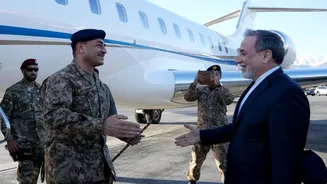
Araghchi also held talks with Asim Munir, Field Marshal of the Pakistan Army, as Iran continued its outreach to key regional powers.
Senior officials from Iran, Saudi Arabia and Pakistan agreed on the importance of pursuing political solutions and using regional cooperation mechanisms to reinforce stability in West Asia.
The two calls, held over two consecutive days, come amid efforts by regional countries to contain the fallout of the US-Iran conflict and prevent a wider confrontation.
Trump Calls Off Planned Iran Attack
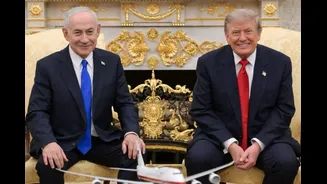
Meanwhile, US President Donald Trump on Sunday said that Washington had called off what he described as “the biggest attack since World War II” against Iran.
Trump said the United States would instead begin negotiations with Tehran on Monday afternoon in an attempt to secure the reopening of the Strait of Hormuz and address Iran’s nuclear programme.
Speaking aboard Air Force One, Trump said regional allies had urged Washington to halt the planned military operation because an attack could undermine the possibility of ending the months-long conflict through diplomacy.
“Now what we’re doing is we’re talking to them in the form of a negotiation. It begins tomorrow afternoon, and we’ll see,” Trump said.
Asked whether he had set a deadline for the negotiations, Trump said there was none.
“We’ll just see how it is. We’re ready to go any time we want. Would I rather make a deal? I’m not looking to kill people… We don’t want that,” he said.
Gulf Allies Pushed For Diplomacy
Trump said the United States had been prepared to launch the operation but decided against it after appeals from Saudi Crown Prince Mohammed bin Salman and US partners, including the United Arab Emirates and Qatar.
“We were all set to go,” Trump said, adding that the regional countries believed an agreement remained possible.
“The reason they asked is [that] they think there’s a deal,” he said. “There’s a deal on Hormuz, and there will be a deal on the nuclear.”
The US president said the proposed talks would focus on reopening the Strait of Hormuz and securing Iran’s denuclearisation.
Earlier Talks Ended Without Agreement
Trump’s latest diplomatic push follows his repeated use of military threats alongside offers of negotiations.
On April 7, he warned that “a whole civilisation will die tonight” if Iran refused to enter peace talks and threatened attacks on civilian infrastructure and power facilities.
The warnings were followed by rare face-to-face negotiations in Pakistan led by US Vice-President JD Vance. Although the meetings represented a significant diplomatic opening, they ended without an agreement.