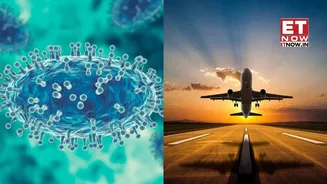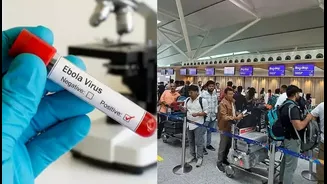









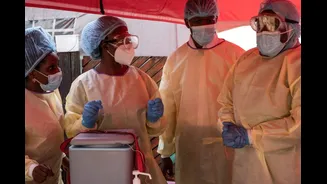
Recent reports of Ebola outbreaks in Central Africa have once again drawn global attention to this group of haemorrhagic fever viruses. However, there have been no reported cases in the Indian subcontinent
so far.
According to Dr Neha Mishra, Consultant – Infectious Diseases, Manipal Hospital Old Airport Road, while Ebola remains a serious public health concern globally, there is currently no cause for panic in India.
The Ebola virus belongs to the Filovirus family and has historically caused periodic outbreaks in parts of Africa. The largest documented outbreak occurred between 2014 and 2015 in West Africa, affecting more than 10,000 people. Although a few travel-related cases were reported in other countries, strong public health measures successfully prevented widespread international transmission.
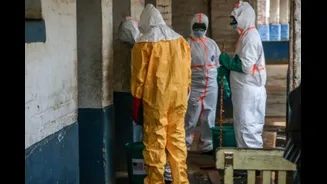
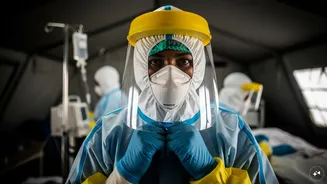
These viruses spread mainly through direct contact with the blood or bodily fluids of infected individuals. Healthcare workers and close family caregivers are considered to be at the highest risk, especially when protective equipment is not used properly. Contact with infected wildlife, particularly bushmeat, is another known source of infection.
Dr Mishra explains that Ebola is not an airborne disease like COVID-19 and does not spread through casual day-to-day contact. “Direct contact with infected secretions remains the primary route of transmission,” she says.
Symptoms usually appear between 2 and 21 days after exposure and may initially resemble common illnesses such as malaria, typhoid, or severe flu. Fever, weakness, body aches, vomiting, diarrhoea, and abdominal pain are among the common early symptoms. Contrary to popular belief, severe bleeding occurs only in a minority of patients and typically during the later stages of the disease.
Diagnosis is usually confirmed through PCR testing and ELISA.
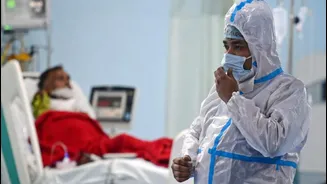
Medical science has made significant progress in recent years. Early diagnosis, patient isolation, and supportive care, including hydration and organ support can greatly improve survival rates. Two monoclonal antibody treatments, Inmazeb and Ebanga, are now approved for confirmed Ebola cases, with research showing encouraging outcomes. Ongoing efforts also continue in the areas of vaccine development and newer antiviral therapies.
Dr Mishra further emphasises the importance of awareness without fear. Continued vigilance remains essential, but for the general public, simple precautions are usually sufficient, avoiding misinformation, maintaining good hygiene practices, and seeking medical advice if symptoms develop after returning from affected regions.