





If weight gain after 40 were only about eating too much or simple calorie counting, most of us would have fixed it by now by cutting back on food, fasting non-stop, or increasing cardio. But as By Smiita
Krishna, Functional Nutritionist & Health Coach explains, that approach rarely works in real life.
“What I keep seeing again and again with my clients,” she says, “is that women are eating the same sometimes even less than they did in their 20s or 30s, often eating cleaner. Yet the weight keeps piling on, especially around the belly.” The experience feels confusing and deeply unfair.
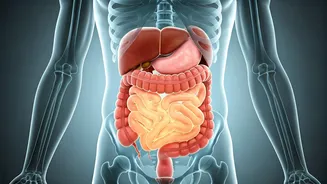
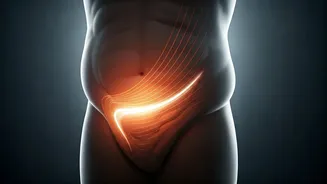
According to Krishna, the real issue is often stress. In our 40s, hormonal shifts begin to accelerate, particularly during perimenopause. Oestrogen and progesterone start fluctuating, and research shows these changes affect how the body stores fat, responds to insulin, and regulates energy. “Lower oestrogen levels are closely linked to increased fat storage around the belly,” she explains.
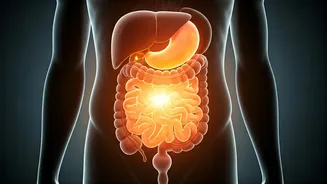
Then there’s life itself. As Krishna points out, responsibilities with children, careers, ageing parents, emotional load, poor sleep, and constant mental pressure create a persistently stressful environment. “The body responds to chronic stress by increasing cortisol, our primary stress hormone,” she says. Studies consistently show that elevated cortisol is associated with increased belly fat and stronger food cravings.
Sleep disruption adds another layer. Disturbed sleep, common during perimenopause and menopause directly affects appetite regulation. Research shows that when sleep is compromised, ghrelin, the hunger hormone, rises while leptin, the fullness hormone, drops. “This is why many women feel hungrier and more exhausted, even when they’re eating clean,” Krishna notes.
This is where many women go wrong. In response, they cut calories further and add more cardio. According to Smiita Krishna, this often worsens the problem. “Heavy restriction and intense exercise can be interpreted by the body as another threat,” she explains. “That keeps stress hormones elevated and makes fat loss even harder.”
After 40, the body becomes more sensitive to stress, and pre-existing imbalances surface more sharply. So if extreme dieting and back-to-back fasting aren’t the answer, what is?
“The focus has to shift,” says Krishna. Strength training becomes essential. Blood sugar needs to stay steady. Protein intake must be adequate. Sleep should be protected. And nervous system support through breathwork, time outdoors, meditation, and, when appropriate, targeted adaptogens can help regulate stress, provided the foundations are in place.
“The body responds best when it feels safe,” emphasises Smiita Krishna. Weight gain after 40 is rarely about willpower or calories alone. The solution lies in working with individual biology supporting hormones, managing stress, and aligning nutrition, movement, and calm to restore balance.