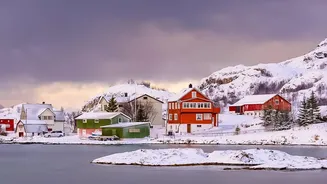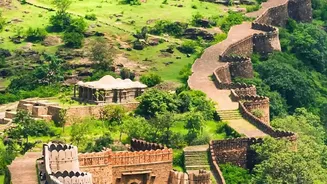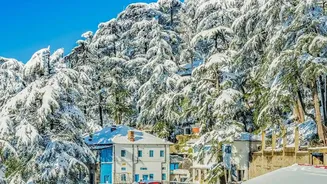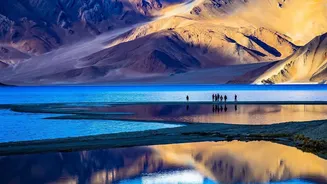





From the snow-covered slopes of Patnitop and Nathatop to the picturesque valleys of Bhaderwah, the tranquil waters of Mansar Lake and the unexplored landscapes of Bani and Sarthal, Jammu offers alot .
Here is your guide to exploring the region this winter, including where to go, where to stay and how to reach these destinations.
When people think of a winter holiday in Jammu and Kashmir, Gulmarg, Pahalgam and Srinagar usually dominate the conversation. But the Jammu region has a winter story of its own, one that is often overlooked by tourists.
The mountains of the Pir Panjal, the pine-covered slopes of Patnitop, the snow-covered meadows of Bhaderwah and the relatively unexplored valleys of Kathua and Doda offer experiences that can compete with some of the better-known tourist destinations in the Himalayan region.
Unlike Kashmir Valley, where winter tourism is strongly associated with snow-covered lakes and meadows, Jammu offers a combination of mountain holidays, religious tourism, heritage, forest retreats and traditional Dogra hospitality.
The region also offers a geographical advantage. While Jammu city and Katra generally experience milder winter conditions, the higher-altitude destinations receive snowfall and can offer the kind of winter landscape that tourists travel to the Himalayas to experience.
For those planning a trip between November 2026 and February 2027, here is a destination-by-destination guide to exploring Jammu.
1. Patnitop: Jammu’s favourite winter retreat
If there is one destination in the Jammu region that should be on every winter traveller’s itinerary, it is Patnitop.
Situated at an altitude of approximately 2,024 metres in Udhampur district, Patnitop is around 112 kilometres from Jammu. Perched on a beautiful plateau surrounded by dense forests of pine and deodar, the hill resort offers panoramic views of the surrounding mountain ranges.
During winter, particularly in January and February, Patnitop can receive substantial snowfall, transforming its meadows and forest trails into a picturesque white landscape.
The destination is popular among families, couples and groups of friends looking for a mountain holiday without having to travel too far into high-altitude areas.
Visitors can enjoy walks through the pine forests, explore the open meadows, experience snow activities and visit the historic Nag Temple.
Patnitop has also developed a reputation for beginner-friendly winter sports. The gentle slopes are suitable for introductory skiing and sledging, and the Tourism Department has previously organised skiing courses during January and February.
Nearby Nathatop and Madhatop are particularly attractive after snowfall and offer beautiful views of the snow-covered Himalayan ranges.
Where to stay: Patnitop has a wide selection of accommodation, including hotels, resorts, cottages and government tourist accommodation. Visitors can choose between properties overlooking the meadows and hotels surrounded by pine forests. Kud, a small hill town on the approach to Patnitop, is another option. It is famous for its traditional Patisa sweet.
The J&K Tourism Development Corporation also provides accommodation options in Patnitop and Kud. Visitors should confirm winter operations, heating, hot water and electricity backup before booking.
How to reach: Patnitop is approximately 112 kilometres from Jammu and 47 kilometres from Udhampur. The journey from Jammu generally takes around three to four hours by road, depending on traffic and weather. Regular buses, taxis and tourist coaches operate from Jammu.
Best time: December to February for winter experiences, with January and February generally offering better chances of snowfall.
2. Nathatop and Madhatop: For those who want to experience snow
While Patnitop is the principal tourist destination, visitors should not restrict themselves to the main town.
Nathatop, located in the higher reaches near Patnitop, offers sweeping views of the Himalayan mountain ranges. Its elevated location makes it particularly attractive during winter, when snow covers the surrounding landscape.
The open slopes and surrounding forests provide excellent opportunities for photography and experiencing snow. Visitors can spend time enjoying the mountain scenery, taking short walks where conditions permit and experiencing the tranquillity of the higher reaches.
Madhatop, another attraction in the Patnitop circuit, is also known for its winter sports potential.
For tourists travelling with children, these places can provide an opportunity to experience snowfall without undertaking a long expedition into remote mountain regions.
However, road conditions can change rapidly following snowfall. Visitors should not attempt to drive to higher stretches without checking local traffic advisories.
Where to stay: Patnitop is the most convenient base. It has more accommodation and food options than the higher viewpoints.
How to reach: Nathatop and Madhatop can be approached from Patnitop. Local taxis are available, but access depends on snow clearance and traffic restrictions.
3. Sanasar: A beautiful meadow surrounded by pine forests
Approximately 19-20 kilometres from Patnitop lies Sanasar, one of the most picturesque destinations in the Jammu region.
Named after the two small villages of Sana and Sar, Sanasar is a cup-shaped meadow surrounded by towering coniferous trees and mountain slopes.
The destination is particularly appealing to visitors looking for a relatively quieter holiday. Unlike the busier Patnitop resort, Sanasar offers a more intimate experience of mountain life.
The meadow, small lakes, dense forests and surrounding hills make it an excellent destination for nature lovers and photographers.
The Sanasar Lake and the surrounding landscape are popular attractions. During the warmer months, the destination is known for paragliding, horse riding and outdoor activities. During winter, snowfall transforms the open meadow and adjoining forests into a beautiful landscape.
The nearby Shank Pal Temple, situated on the Shank Pal ridge, is another attraction for those interested in the region’s religious heritage. The ancient stone temple is dedicated to Nag Shank Pal.
Where to stay: Sanasar has tourist accommodation, cottages and camping facilities, although not all facilities necessarily operate throughout winter. JKTDC also has tourist accommodation facilities in the area. Visitors should confirm availability directly before booking.
Patnitop is an alternative base for those who prefer a larger selection of hotels and restaurants.
How to reach: Sanasar is around 129 kilometres from Jammu and approximately 19 kilometres from Patnitop. Visitors can travel by private vehicle or taxi through Kud and Patnitop.
4. Bhaderwah: The crown jewel of the Chenab Valley
For visitors looking to explore a destination that combines snowfall, meadows, rivers, pine forests and local culture, Bhaderwah should be high on their list.
Located in Doda district, approximately 205 kilometres from Jammu, Bhaderwah is often described as one of the most beautiful valleys in the Jammu region.
The valley is surrounded by mountain ranges, dense forests and flowing streams. The Neeru River passes through the area, while the surrounding landscape changes dramatically with the seasons.
Winter is particularly attractive here. The higher reaches receive snowfall, transforming the surrounding mountains and meadows into a spectacular landscape.
Bhaderwah has also been emerging as an important winter tourism destination, with tourism authorities organising winter carnivals and cultural activities in recent years.
Visitors can explore the town, its traditional markets, the historic Lakshmi Narayan Temple and surrounding mountain areas.
But the real attraction lies beyond the main town.
Guldanda: One of the most popular emerging winter destinations in Bhaderwah, Guldanda is known for its expansive mountain landscape and panoramic views. After snowfall, the area becomes a major attraction for tourists, with visitors travelling from different parts of the country to experience the white landscape.
Chinta Valley: Situated at an elevation of approximately 6,500 feet, Chinta is surrounded by dense coniferous forests and has the Chinta Nallah flowing through it. It is an excellent destination for visitors looking for a peaceful mountain retreat.
Jai Valley: Located approximately 32 kilometres from Bhaderwah town, Jai Valley is known for its lush forests, flowing stream and picturesque surroundings. The valley has facilities that have included tented accommodation, igloo huts and a youth hostel. It is a particularly attractive destination for nature lovers and those interested in outdoor activities.
Padri: Situated along the Bhaderwah-Chamba route, Padri is a spectacular high-altitude meadow that becomes particularly beautiful following snowfall. It is known for its snow-covered slopes and has potential for winter adventure sports. However, the interstate road is seasonal and has remained closed for extended periods due to heavy snowfall. Winter visits should be attempted only after official confirmation of road access.
Where to stay: Bhaderwah town has several hotels, guesthouses and homestays. It is the most practical base for exploring the surrounding valleys. Jai Valley has also had dedicated tourist accommodation, including tented facilities and igloo huts, but their winter availability must be confirmed.
How to reach: Bhaderwah is approximately 205 kilometres from Jammu. The road journey generally takes around five to six hours, depending on traffic and road conditions. The route passes through Udhampur, Batote and Doda. Visitors can hire private taxis or use bus services.
5. Sarthal and Bani: Discover the lesser-known snow country of Kathua
The Kathua district is often associated with its plains and industrial areas, but its upper reaches hide some remarkable mountain destinations.
Bani, situated at an altitude of approximately 4,200 feet, is a picturesque valley surrounded by mountains and forests. The Sewa River flows through the area, while the surrounding landscape features waterfalls, streams and meadows.
Bani is sometimes described as the Mini Kashmir of Kathua because of its natural landscape and mountain setting.
Nearby Sarthal is another destination that deserves attention from winter travellers.
Situated at approximately 7,000 feet, Sarthal is a beautiful alpine meadow surrounded by snow-covered mountains. The area can remain under snow for several months, making it an interesting alternative for those seeking less-commercialised winter destinations.
The journey through the upper reaches of Kathua offers spectacular mountain scenery, with dense forests and small settlements along the way.
Banjal, Chandel Bhoond and Duggan are other locations worth exploring in the wider Bani belt.
Where to stay: Bani has limited accommodation compared with Patnitop and Bhaderwah. Visitors should check local guesthouse availability or arrange their stay in advance. Kathua town and Basohli can also be considered as alternative bases, depending on the planned route.
How to reach: Bani can be approached from Kathua by road, with bus services operating from Kathua bus stand. Sarthal is approximately 20 kilometres from Bani. Visitors should check road clearance before travelling, particularly during periods of heavy snowfall.
6. Mansar and Surinsar: A peaceful lakeside holiday
Not every winter holiday in Jammu has to revolve around snow.
Mansar and Surinsar are two beautiful freshwater lakes surrounded by forest-covered hills and offer a completely different experience from the mountain resorts.
Located approximately 62 kilometres from Jammu, Mansar Lake is a popular tourist and religious destination. The lake is surrounded by forested hills and has boating facilities, walking paths and viewing points.
It is also associated with several religious traditions. Temples dedicated to Umapati Mahadev, Narasimha and Durga are located around the lake, while the shrine of Sheshnag is another important attraction.
The lake is also known for its turtles, fish and birdlife.
Surinsar Lake, the other member of this picturesque lake circuit, is surrounded by thickly wooded hills and offers a peaceful setting for a day excursion.
The two lakes are connected through local mythology and are considered twin lakes. Their natural surroundings make them attractive to families and visitors interested in nature and photography.
During winter, the surrounding landscape is particularly appealing to those looking for a peaceful retreat away from the crowds.
Where to stay: Mansar has tourist accommodation facilities and visitors can also explore JKTDC options. Jammu city is a convenient base for those who want to combine a lake excursion with sightseeing around the city.
How to reach: Mansar is approximately 62 kilometres from Jammu, while Surinsar is around 40 kilometres away. Both can be explored using private transport.
7. Basohli: A town of art, history and the Ravi River
For travellers interested in history, culture and lesser-known destinations, Basohli in Kathua district is worth exploring.
Situated on the banks of the Ravi River, Basohli is historically significant for its miniature painting tradition, popularly known as Basohli paintings.
These paintings are distinctive for their bold colours, expressive figures and intricate detailing. The town has an important place in the artistic and cultural heritage of the Jammu region.
Basohli also offers scenic views of the Ravi River and the surrounding hills. The nearby Ranjit Sagar reservoir adds to the region’s natural appeal.
Visitors can explore the town, learn about its art tradition and experience the local culture.
Dhar Mahanpur, located approximately 27 kilometres from Basohli, is another destination worth considering. Situated along a forested ridge, it offers views of thick chir pine and deodar forests and provides a quieter mountain escape.
Where to stay: Basohli has basic accommodation facilities, while visitors can also explore guesthouses and tourist accommodation in surrounding towns. For those seeking a more developed hotel infrastructure, Kathua can be considered as a base.
How to reach: Basohli can be reached by road from Kathua. Regular bus services operate from the district, although private transport is more convenient for exploring nearby attractions.
8. Katra: Beyond the pilgrimage to Mata Vaishno Devi
For millions of visitors, Katra is synonymous with the pilgrimage to Shri Mata Vaishno Devi.
Situated approximately 50 kilometres from Jammu, Katra is the base camp for the shrine located in the Trikuta hills.
The pilgrimage involves a trek of approximately 12-13 kilometres from Katra to the Bhawan, although ponies, palkis and helicopter services are available subject to operational conditions and booking availability.
The shrine remains open throughout the year, making Katra an important winter destination for religious tourists.
The surrounding hills offer a beautiful setting, particularly during the colder months. Visitors can experience the atmosphere of the pilgrimage town, explore local markets and enjoy the food and hospitality of the region.
But there is more to explore around Katra and Reasi.
Bhim Garh Fort: Situated in Reasi town, this historic fort stands on a hillock overlooking the Anji River. It is associated with the Dogra military history of the region and is an interesting excursion for history enthusiasts.
Baba Dhansar: Located near Karua village, this is an important religious destination surrounded by natural beauty, water bodies and limestone formations.
Siyad Baba Waterfall: Located on the Chenab River in Reasi district, this waterfall offers a spectacular sight as the water descends through a steep rocky landscape. It is a particularly interesting excursion for visitors staying in Katra, although access and safety arrangements should be checked during winter.
Where to stay: Katra has one of the widest ranges of accommodation in the Jammu region, including budget hotels, guesthouses, resorts and accommodation managed by the Shri Mata Vaishno Devi Shrine Board. Advance booking is advisable during peak pilgrimage periods.
How to reach: Katra is approximately 50 kilometres from Jammu and can be reached by road in around 1.5 to two hours. Shri Mata Vaishno Devi Katra railway station also connects the town with several parts of the country. Jammu Airport is the nearest airport for air travellers.
Pilgrims should register for the yatra through the official Shrine Board portal and follow the latest instructions regarding RFID access cards and weather-related restrictions.
9. Shiv Khori: A remarkable cave shrine in Reasi
Another destination that deserves a place on the Jammu winter travel itinerary is Shiv Khori, located near Ransoo in Reasi district.
The naturally formed cave shrine is dedicated to Lord Shiva and attracts pilgrims from across the country.
The cave is known for its naturally occurring rock formations, including the traditional representation of the Shivling. The journey to the shrine offers visitors an opportunity to experience the religious and cultural traditions of the region.
Shiv Khori is particularly popular around Mahashivratri, when a large number of devotees visit the shrine.
Where to stay: Ransoo has hotels, guesthouses and other accommodation facilities. Visitors can also stay in Katra or Reasi, depending on their itinerary.
How to reach: Shiv Khori is situated near Ransoo and is approximately 40 kilometres from Reasi town. It can be reached by road from Jammu through the Reasi route. Visitors should plan adequate time for the onward walk to the cave.
10. Sudh Mahadev and Mantalai: A journey through religious heritage and forests
Situated in the Udhampur district, Sudh Mahadev and Mantalai offer a combination of religious heritage and natural beauty.
Sudh Mahadev is an important Shiva shrine located approximately 112 kilometres from Jammu and around 42 kilometres from Patnitop.
The temple is associated with the legend of Lord Shiva and Goddess Parvati. It houses a black marble Shivling and a trident that is traditionally associated with Lord Shiva.
Nearby Gauri Kund is another important religious site.
A few kilometres further ahead lies Mantalai, surrounded by lush deodar forests and mountain scenery. The place is associated with local traditions concerning the marriage of Lord Shiva and Goddess Parvati.
The combination of temples, forest landscapes and mountain views makes this an interesting destination for those looking beyond the conventional tourist circuit.
Where to stay: Visitors can stay in Patnitop or Udhampur. Tourist accommodation and dharamshala facilities have also been available around Sudh Mahadev, but winter availability should be checked.
How to reach: The destination can be reached by road from Jammu or Patnitop. Private taxis are the most convenient option.
11. Rajouri and Poonch: Explore the Pir Panjal’s quieter landscapes
The twin districts of Rajouri and Poonch offer some of the most beautiful landscapes in the Jammu region.
The area is characterised by forests, mountain streams, historic shrines and valleys surrounded by the Pir Panjal range.
While many of these destinations are particularly popular during summer, some remain attractive in winter, depending on road access and weather.
Shahdara Sharief: Located in Rajouri district, the shrine of Baba Ghulam Shah Badshah is an important religious destination. Situated amid the mountains, it attracts devotees throughout the year and offers beautiful views of the surrounding landscape.
Thanamandi: This historic town has an old Mughal serai associated with the journeys made by Mughal rulers between Delhi and Kashmir. It is also known for its traditional wooden craftwork. Shahdara Sharief can be combined with a visit to Thanamandi.
Loran Valley: Situated in Poonch district, Loran is a beautiful village at the foothills of the Pir Panjal range. The Loran Nallah flows through the valley, adding to its natural appeal. The area also has historical significance associated with the former Poonch state.
Noori Chamb: Located near Behram Galla in Surankote, approximately 45 kilometres from Poonch town, this waterfall is associated with Mughal Queen Noor Jahan. It is known for its scenic surroundings and the mist created by the falling water.
Dera Ki Gali and Pir Ki Gali: These are spectacular mountain locations in the Pir Panjal range. They are known for forests, panoramic views and snowfall. However, Dera Ki Gali and the higher stretches around Pir Ki Gali experience heavy winter snowfall.
An important point for travellers is that the Mughal Road, which connects Poonch and Rajouri with Shopian in Kashmir, frequently closes during winter because of snowfall at Pir Ki Gali. It should not be considered a dependable winter route.
Where to stay: Rajouri and Poonch towns offer hotels and guesthouses. Visitors interested in exploring the surrounding areas should arrange accommodation and transport in advance.
How to reach: Rajouri and Poonch are connected to Jammu by road. The journey from Jammu to Poonch is approximately 240 kilometres. Visitors should check current road and security advisories before travelling to remote areas.
12. Akhnoor: Explore the Dogra heritage along the Chenab
A short drive from Jammu takes visitors to Akhnoor, a historically important town situated on the banks of the Chenab River.
The principal attraction is Akhnoor Fort, a two-storeyed historic structure overlooking the river.
Construction of the fort began in 1762 under Raja Tegh Singh and was completed by his son Raja Alam Singh in 1802. It is a protected monument under the Archaeological Survey of India.
Akhnoor is also historically significant because Jia Pota Ghat, near the fort, is associated with the coronation of Maharaja Gulab Singh by Maharaja Ranjit Singh in 1822.
Another important attraction nearby is Ambaran, an archaeological site associated with Buddhist remains and the ancient history of the region.
For tourists interested in heritage, history and architecture, Akhnoor makes an excellent half-day excursion from Jammu.
Where to stay: Jammu city is the most convenient base.
How to reach: Akhnoor is approximately 30 kilometres from Jammu and can be reached by road in around an hour, depending on traffic.
13. Purmandal and Krimchi: For lovers of ancient temples and heritage
Jammu has a rich religious and architectural heritage, and two destinations that deserve greater attention are Purmandal and Krimchi.
Purmandal, often referred to as Chhota Kashi, is situated approximately 30-40 kilometres from Jammu. The temple complex is located along the sacred Devak river and is associated with Shaivite traditions.
Its collection of temples and traditional architecture makes it an interesting destination for pilgrims and those interested in the history of the region.
Krimchi, located around 12 kilometres from Udhampur, is known for its group of ancient temples. The complex comprises five main temples and two smaller shrines set amid a picturesque landscape.
The temples are important examples of the region’s historical architectural traditions and are worth visiting for those interested in heritage tourism.
Where to stay: Jammu or Udhampur can be used as a base for visiting these sites.
How to reach: Purmandal is accessible by road from Jammu. Krimchi can be reached from Udhampur by taxi or private vehicle.
How to reach Jammu
By air: Jammu Airport is connected by regular domestic flights to major Indian cities, including Delhi. Flight frequency and schedules vary, so travellers should check availability before booking.
By train: Jammu Tawi is a major railway junction with connections to several Indian cities. Udhampur and Shri Mata Vaishno Devi Katra are other important railway stations for travellers visiting the hill destinations and pilgrimage centres.
By road: Jammu is connected to Delhi, Punjab, Himachal Pradesh and other northern states through the national highway network. National Highway 44 provides the principal road connection towards Udhampur, Patnitop and Kashmir. Buses, luxury coaches and taxis operate from Jammu to several tourist destinations.
When should you plan your Jammu winter holiday?
November is generally suitable for exploring Jammu city, heritage sites and the lower-altitude destinations. The weather becomes progressively colder as winter advances.
Those looking for snowfall should ideally consider December to February, with January and February offering better chances in higher-altitude locations such as Patnitop, Nathatop, Bhaderwah, Guldanda and Sarthal.
However, snowfall cannot be guaranteed on specific dates. A visit to Jammu city or Katra should not be planned with the expectation of experiencing snow. Travellers seeking snow should prioritise the higher mountain destinations and check recent weather conditions.
A suggested seven-day winter itinerary for Jammu
For visitors travelling to Jammu for the first time, the following itinerary offers a combination of religious tourism, mountain landscapes and local heritage.
Day 1: Arrive in Jammu. Explore Bahu Fort, Bagh-e-Bahu, Amar Mahal and the local markets. Stay overnight in Jammu.
Day 2: Travel to Katra and undertake the Shri Mata Vaishno Devi pilgrimage. Stay overnight in Katra.
Day 3: Explore Shiv Khori or other attractions around Reasi, subject to available time and road conditions.
Day 4: Travel towards Patnitop via Udhampur. Explore the hill resort and stay overnight.
Day 5: Visit Nathatop and Sanasar, depending on snowfall and road conditions. Stay overnight in Patnitop.
Day 6: Travel to Bhaderwah and explore the local town and surrounding scenery. Stay overnight in Bhaderwah.
Day 7: Visit Guldanda, Chinta Valley or Jai Valley, depending on accessibility, before beginning the return journey.
Those with additional days can explore Mansar and Surinsar lakes, Basohli, Bani and Sarthal or the heritage circuit around Akhnoor and Udhampur.
Things to remember before travelling
Carry thermal innerwear, insulated jackets, gloves, woollen caps, warm socks and waterproof footwear with good grip if visiting higher-altitude destinations.
Book accommodation in advance, particularly during Christmas, New Year and the January-February snowfall period.
Confirm whether hotels provide adequate room heating, hot water and electricity backup. In smaller destinations, check whether restaurants and other facilities remain operational throughout winter.
Hire experienced local drivers for mountain journeys and avoid travelling to high-altitude destinations after heavy snowfall without checking the road status.
The Mughal Road, Bhaderwah-Chamba road and roads connecting higher reaches such as Sarthal and Chattargalla can be affected by snowfall and may remain closed for extended periods.
Pilgrims visiting Vaishno Devi or Shiv Khori should follow official registration requirements and shrine administration advisories.
Most importantly, keep some flexibility in the itinerary. Winter weather in the mountains can change travel plans quickly.
Jammu is much more than a gateway to Vaishno Devi
For many tourists, Jammu has traditionally been the starting point of a pilgrimage to Mata Vaishno Devi or a transit destination before travelling towards Kashmir.
But the region deserves much more than a hurried stop.
Its mountain resorts, snow-covered meadows, beautiful lakes, ancient temples, Dogra heritage and lesser-known valleys make it a destination in its own right.
From watching the first rays of sunlight fall on the snow-covered forests of Patnitop to experiencing the mountain landscape of Bhaderwah, enjoying the tranquillity of Mansar Lake or exploring the artistic legacy of Basohli, Jammu offers a diverse winter holiday.
And perhaps its biggest attraction is that it allows travellers to combine several experiences in a single trip — a pilgrimage, a mountain holiday, a journey through history and an opportunity to discover some of the most beautiful but relatively unexplored corners of the Himalayas.