








India has crossed an important milestone in its efforts to prevent cervical cancer, with the World Health Organization (WHO) congratulating the country for administering more than 10 million doses of the Human
Papillomavirus (HPV) vaccine to 14-year-old girls. In a post shared on November 23, 2026, WHO’s South-East Asia Regional Office described the achievement as a significant step towards cervical cancer prevention, acknowledging the collective efforts of the government, healthcare workers, communities, parents and partners.
The milestone comes less than nine months after the launch of India’s National HPV Vaccination Campaign in February 2026. According to the Ministry of Health and Family Welfare, more than one crore doses have been administered, covering nearly 87% of the annual target cohort of approximately 1.2 crore 14-year-old girls. The achievement marks a significant push towards preventive healthcare, particularly in a country where cervical cancer remains an important public health concern.
What Is India’s National HPV Vaccination Campaign?
Launched by Prime Minister Narendra Modi in February 2026, the National HPV Vaccination Campaign provides free, voluntary, single-dose HPV vaccination to 14-year-old girls at designated government health facilities. Vaccination is administered with parental consent and under the supervision of trained medical officers.
The programme aims to protect adolescent girls against HPV infections that can cause cervical cancer later in life. The government has identified approximately 1.2 crore girls as the annual target cohort. The campaign is being implemented in coordination with state and Union Territory administrations, healthcare professionals, district health teams and frontline workers.
Parents and guardians of eligible girls can visit designated government health facilities for information about the vaccination programme. The U-WIN digital platform also supports information access, vaccination slot booking and digital vaccination records.
Six States Achieve 100% HPV Vaccination Coverage
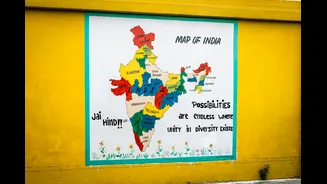
According to the Ministry of Health and Family Welfare’s latest update dated November 23, six states have achieved 100% coverage of their identified target populations. These are Gujarat, Uttar Pradesh, Andhra Pradesh, Mizoram, Madhya Pradesh and Bihar.
Twelve states have crossed 80% coverage. Among them, Assam has recorded 95.63%, Telangana 95.28%, Karnataka 93.16% and Uttarakhand 90.17%. Chhattisgarh has recorded 86.21% coverage, while Rajasthan stands at 85.23%.
Among states with lower reported coverage, Kerala has reached 77.02%, Tamil Nadu 76.12% and Odisha 74.90%. The Union Territory of Dadra and Nagar Haveli and Daman and Diu has recorded 72.99%.
In terms of the number of girls vaccinated, Uttar Pradesh leads with more than 29.33 lakh doses administered, followed by Bihar with over 13.70 lakh and Gujarat with more than 7.75 lakh. The government has attributed the progress to state-specific approaches aimed at reaching eligible girls across urban, rural, remote and geographically challenging areas.
Why Is HPV Vaccination Important In Preventing Cervical Cancer?
Human papillomavirus, commonly known as HPV, is a group of viruses, some of which can cause persistent infections that may eventually lead to cervical cancer. According to WHO, persistent infection with high-risk HPV types is responsible for the vast majority of cervical cancer cases.
HPV vaccination is one of the most effective ways to prevent HPV-related cervical cancer. WHO recommends vaccination for girls between nine and 14 years of age, before potential exposure to the virus. The vaccine protects against the high-risk HPV types responsible for a significant proportion of cervical cancer cases.
WHO’s global cervical cancer elimination strategy is built around three targets, known as the 90–70–90 targets: 90% of girls fully vaccinated against HPV by the age of 15; 70% of women screened using a high-performance test by the ages of 35 and 45; and 90% of women identified with cervical disease receiving appropriate treatment.
Importantly, vaccination does not replace cervical cancer screening. Women should continue to follow recommended screening guidelines, since vaccination does not protect against every cancer-causing HPV type.
How Is India Ensuring HPV Vaccine Safety?
The Ministry of Health and Family Welfare has stated that vaccination sessions under the national campaign are conducted at designated government health facilities under the supervision of trained medical officers.
These facilities are linked to 24-hour healthcare centres to facilitate the assessment and management of any rare adverse events following immunisation (AEFI). The government has also highlighted the role of trained healthcare personnel, established safety protocols and parental consent in the implementation of the programme.
The campaign’s progress has been supported by healthcare professionals, teachers, ASHA workers, Auxiliary Nurse Midwives (ANMs) and community-level engagement to address parental concerns and improve awareness about HPV vaccination.
India’s achievement of administering more than 10 million HPV vaccine doses is an important step in expanding protection against cervical cancer. However, the focus now remains on reaching the eligible girls who are yet to be vaccinated and sustaining awareness around prevention and screening. As WHO has emphasised, ensuring that every eligible girl has access to HPV vaccination will be central to reducing the future burden of cervical cancer.