



In the post-pandemic era of 2026, strengthening children’s immunity centres on a holistic approach that integrates essential micronutrients, gut-supporting probiotics, and a balanced “rainbow” diet to
build long-term resilience against recurring infections.
We speak to Dr Ravi Malik, MBBS, MD (Paediatrics), MAMC, Founder & Medical Director, Malik Radix Healthcare (MRHC), to understand what steps parents and guardians should take when trying to improve children’s immunity.
Strengthening Immunity through Micronutrients
Micronutrients are crucial for regulating both the innate (immediate) and adaptive (long-term) immune responses. Deficiencies in these can lead to “hidden hunger”, increasing children’s vulnerability to severe infections.
- Vitamin D: Often referred to as the “sunshine vitamin,” it is important for respiratory health and may help prevent excessive activation of the immune system (cytokine storms). Prophylaxis is sometimes recommended for infants, and older children with limited sun exposure may need supplementation.
- Vitamin C: A powerful antioxidant that supports the production of white blood cells and the skin’s barrier function. Good sources include citrus fruits, guavas, amla, and bell peppers.
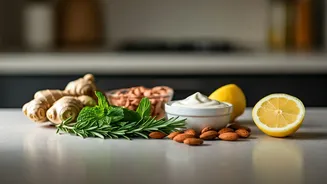
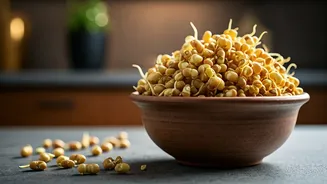
- Zinc: Essential for the development and proper functioning of immune cells such as neutrophils and Natural Killer (NK) cells. It can be found in nuts, seeds (especially pumpkin), legumes, and eggs.
- Vitamin A: Helps maintain the integrity of mucosal membranes in the respiratory and gastrointestinal tracts, which are part of the body’s initial defense against pathogens. Sources include carrots, sweet potatoes, and leafy greens.
- Iron & Selenium: Iron is vital for the maturation of immune cells, while selenium functions as an antioxidant that may help prevent viral mutations.
The Role of Probiotics & Prebiotics
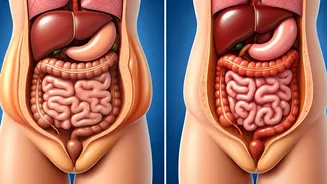
With a significant portion of the immune system located in the gut, maintaining a healthy balance of gut bacteria is important for pediatric health.
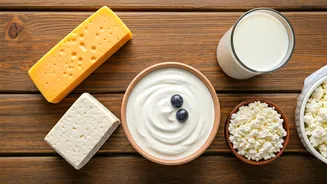
- Probiotics: These are beneficial bacteria, such as Lactobacillus and Bifidobacterium, found in foods like yogurt, curd, and fermented products. They can help strengthen the gut barrier and potentially reduce the severity of respiratory infections.
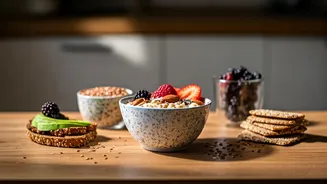
- Prebiotics: These are types of non-digestible fibers that serve as nourishment for probiotics. Sources include garlic, onions, raw bananas, and oats.
Balanced Diet and Post-Pandemic Nutrition
Current guidelines emphasise a diet rich in various colours of fruits and vegetables to ensure a wide range of antioxidants and phytonutrients.
- The Rainbow Plate: Aim to include foods from different color groups daily:
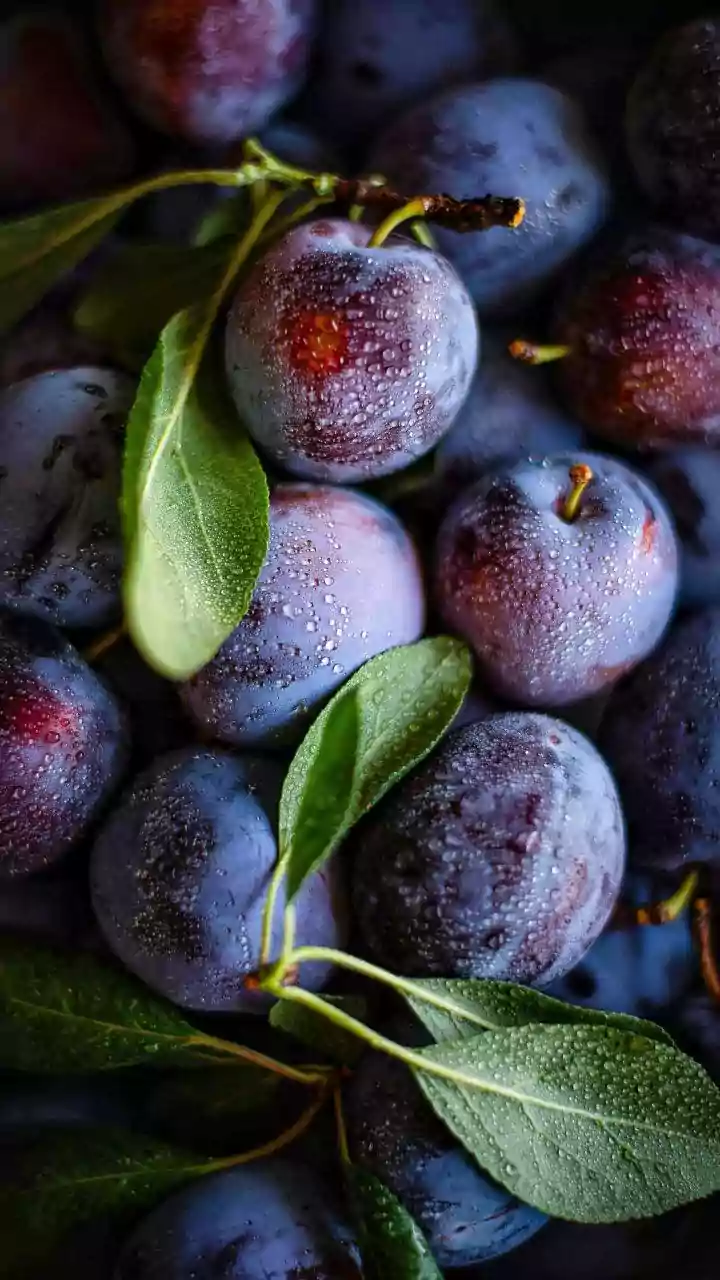
o Red/Purple: Foods like berries and beets contain anthocyanins.
o Yellow/Orange: Carrots and oranges provide carotenoids and Vitamin C.
o Green: Spinach and broccoli are sources of chlorophyll and folate. - Protein Sources: Adequate protein intake from foods such as eggs, pulses, paneer, and lean meats is necessary for the production of antibodies that help fight infection.
- Limit Inflammatory Foods: Recommendations often suggest limiting ultra-processed snacks and sugary drinks, as these may negatively impact the immune response and contribute to inflammation.
Supporting Habits
- Hydration: Water is essential for numerous bodily functions, including flushing toxins and supporting the immune system.
- Sleep: Children require sufficient sleep for bodily repair and the development of a mature immune system.
- Physical Activity: Regular exercise can improve circulation, potentially helping immune cells detect illnesses more effectively.
This information is for general knowledge and should not be taken as medical advice. Consult with a healthcare professional before making any decisions about your or your child’s health or treatment.