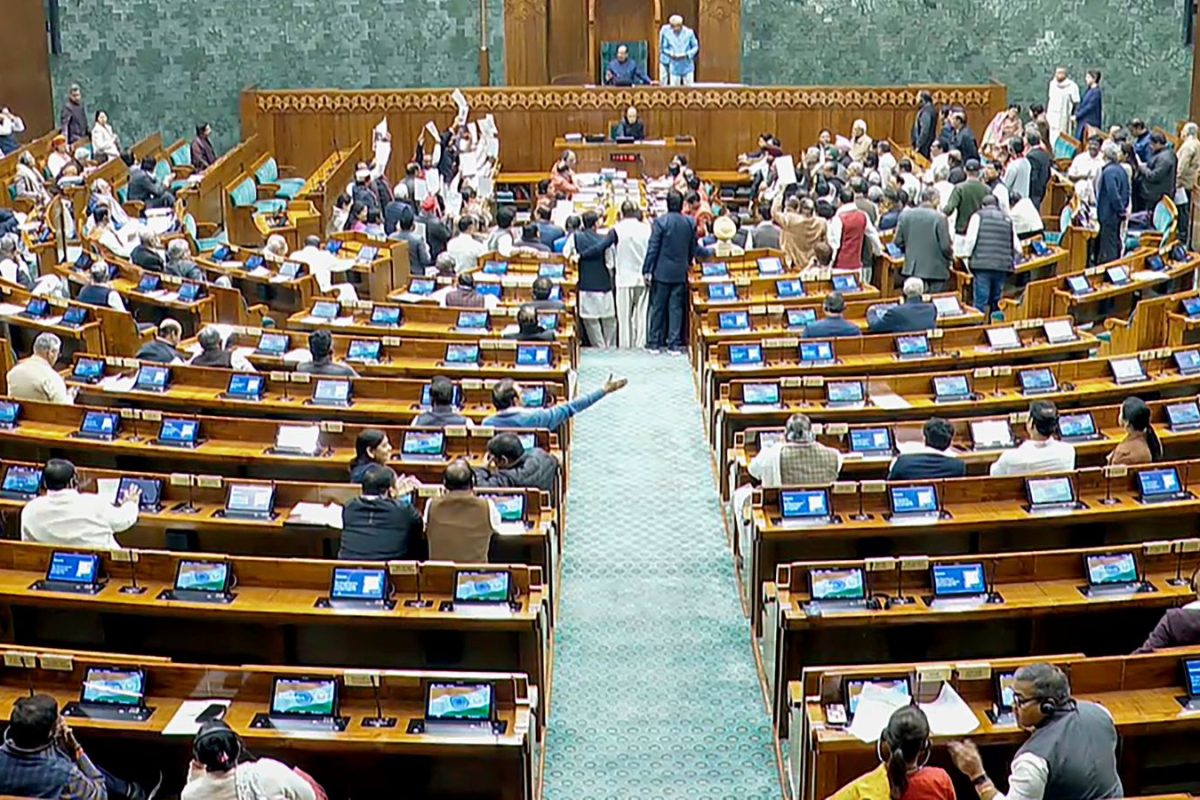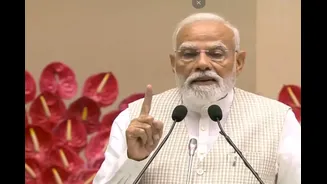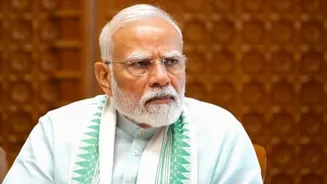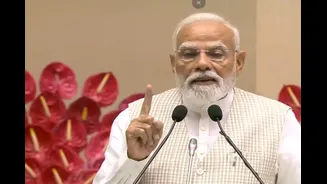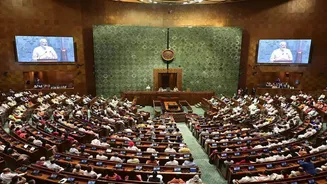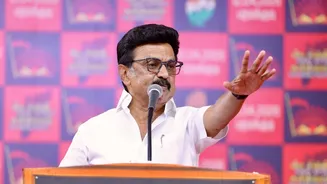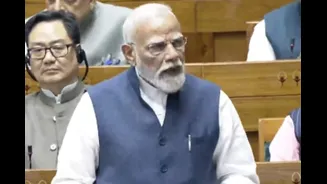



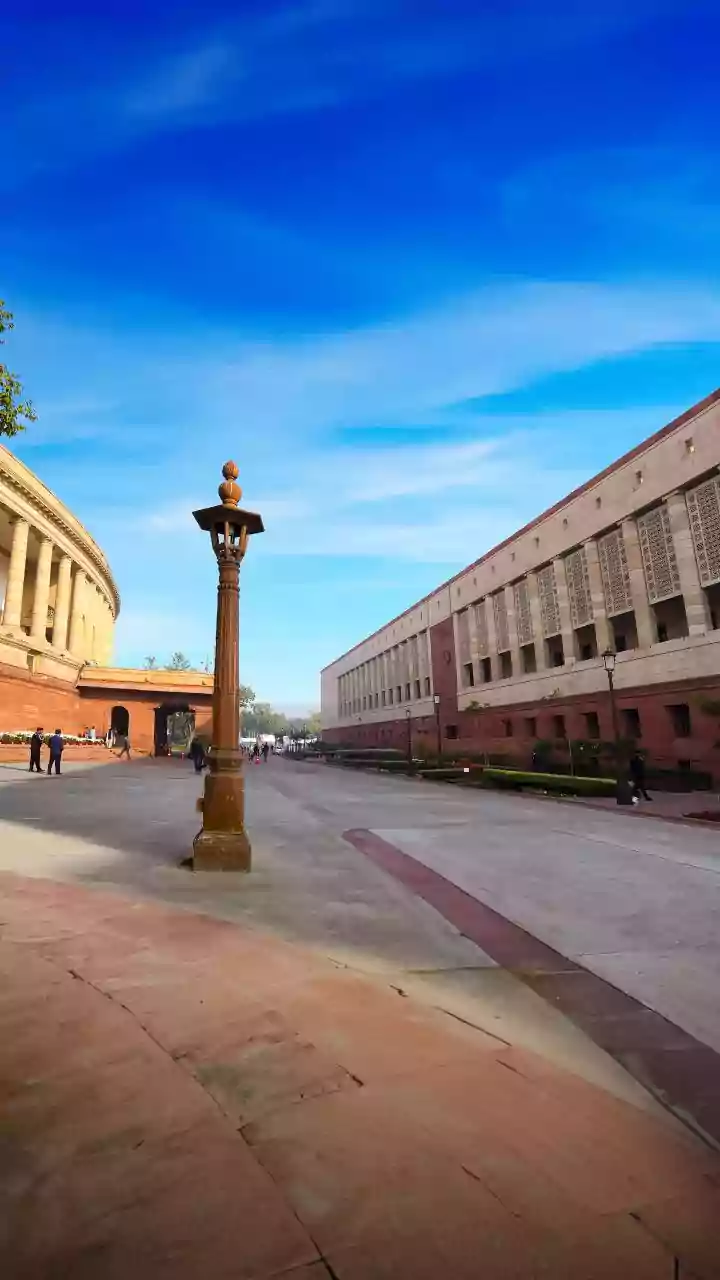

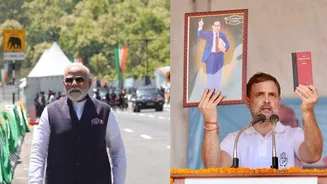
The opening day of the special three-day Parliament session on April 16 was marked by a sharp ideological clash as Prime Minister Narendra Modi accused the Opposition of employing “technical bahanebaazi”
to stall the implementation of the women’s reservation quota. Addressing the Lok Sabha, the Prime Minister framed the Opposition’s procedural concerns regarding the Constitution (131st Amendment) Bill as a continuation of decades-long obstructionism disguised as legislative scrutiny. His remarks came as the government seeks to expand the Lower House to 850 seats, a move designed to operationalise the 33 per cent reservation for women by the 2029 General Elections without reducing the existing share of male representatives.
The Census Conflict: A Mathematical Necessity or a Delay Tactic?
The first “technical” excuse identified by the Prime Minister involves the linkage of the quota to a fresh Census. While the INDIA bloc has argued that delimitation should only follow a post-2026 population count, the Prime Minister dismissed this as a classic delay tactic. He argued that using the 2011 Census as a baseline is a mathematical necessity to bypass the logistical hurdles of a new Census, ensuring the dream of 2029 is not deferred by administrative paperwork. By delinking the two, the government claims it is removing a primary roadblock that has kept the Nari Shakti Vandan Adhiniyam in a state of suspended animation for years.
Solving the Federal Puzzle: Why Pro-Rata Expansion is the Key
Furthermore, the Prime Minister addressed the “technical” debate surrounding the federal balance and the North-South divide. As leaders from southern states expressed fears that seat expansion would penalise regions with successful population control, the Prime Minister countered that the “pro-rata expansion” model is the ultimate technical solution. By increasing every state’s tally by approximately 56 per cent, the government maintains that the relative political weightage remains unchanged. He characterised the Opposition’s focus on this divide as an attempt to trigger regional friction to distract from the core objective of gender parity.
The ‘Blank Cheque’ Challenge: Moving Beyond Diversionary Demands
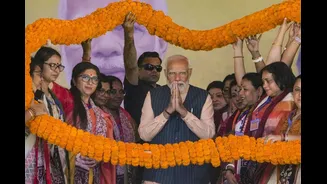
Finally, the Prime Minister took aim at the demand for a “quota within a quota” for OBC and minority women. He framed this as a diversionary technical demand designed to trap the bill in the committee stage once again. In a rare rhetorical flourish, the Prime Minister offered the Opposition a “blank cheque of credit”, promising to fund advertisements featuring only their photos if they supported the bill. He concluded that the era of using procedural “ifs and buts” to gatekeep political power is over, and that the modern Indian voter would see through any further technical excuses intended to delay the empowerment of women.