








Skin eruptions can be written off as purely aesthetic annoyances, but recent discussions in integrative health indicate they might be a sign of more serious physiological problems. In a recent episode
of Raj Shamani’s ‘Figuring Out’ podcast, Ayurvedic specialist and internet personality Dimple Jangda talked about the possible correlation between the locations of pimples and the health of internal organs.
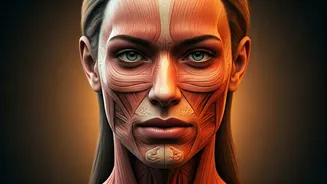
While modern dermatology relates acne to factors like hormones, germs and clogged pores, traditional systems like Ayurveda interpret face mapping as a diagnostic signal to systemic disorders.
Facial Mapping: An Ayurvedic Perspective
According to Dimple Jangda, Lifestyle Medicine Advocate and author of ‘Heal Your Gut, Mind and Emotions’, various facial zones correspond to particular organs. For instance, cheek pimples are associated with digestive health, particularly stomach health. Skin inflammation can be a sign of poor digestion or a buildup of toxins (ama).
Similarly, breakouts along the chin and jawline are linked to respiratory health and function, indicating that smoking, pollution exposure, or long-term congestion may be contributing factors.
Jangda also linked reproductive health to acne on the lower face, especially around the jaw and chin. This region is often linked to hormonal imbalances brought on by stress, polycystic ovarian syndrome (PCOS), or hormonal fluctuations related to menstrual cycles in women. “If the uterus is not clean, there is gynaecological health here,” Jangda said in the podcast.
Although there is currently no scientific proof to support organ-face mapping, doctors agree that lifestyle choices that impact internal health, such as poor food or air quality, can have an indirect impact on skin condition.
View this post on Instagram
Nose, Liver, and Emotional Responses
According to Ayurveda, the nose is connected to circulation and heart health, despite being playfully related to blushing brought on by passion. Redness may result from increased blood flow during emotional reactions, but rosacea, hypertension, or alcohol consumption may also be linked to persistent inflammation around the nose.
Jangda further stressed that liver function is connected to breakouts in the temples. Inflammation in this area is believed to be caused by fatty diets, excessive alcohol consumption, and inadequate detoxification procedures.
Similarly, acne or puffiness under the eyes is linked to kidney stress and fluid imbalance, which can often get worse by excessive alcohol use, sleep deprivation, or dehydration. “The temples correspond to your liver. This corresponds to your liver. There are a lot of pimples here,” Jangda added.
Face mapping should not be used as a stand-alone diagnostic method, according to experts. However, it might act as a reminder to assess lifestyle choices that affect internal health and skin clarity, such as nutrition, sleep patterns, hydration and stress reduction.