





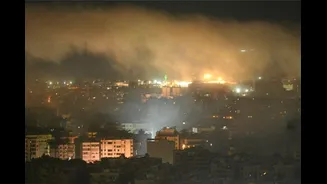

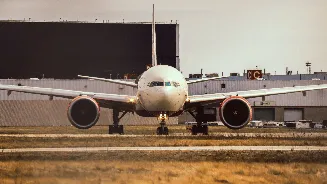
The ongoing conflict involving Iran is beginning to ripple far beyond the battlefield, with global aviation emerging as one of the sectors feeling the impact most quickly. Airlines around the world are
rerouting flights, suspending services and adjusting schedules as parts of the Middle East, a critical corridor for international aviation become increasingly unstable.
For travellers planning international trips, particularly between Asia, Europe and North America, the disruptions could translate into longer flight times, higher fares and possible cancellations.
Why the Conflict Matters for Global Aviation
The Middle East sits at the heart of some of the busiest flight paths in the world. Airlines frequently use airspace over countries such as Iran, Iraq, Israel and the Gulf states to connect Asia with Europe and North America.
When conflict escalates in this region, airlines are forced to reconsider the safety of these routes. Governments may close or restrict airspace, and aviation authorities often advise airlines to avoid certain zones altogether.
As a result, carriers have begun diverting flights away from the affected region or suspending services to certain destinations.
Airlines Rerouting Flights
One of the immediate consequences of the crisis has been the rerouting of long-haul flights.
Instead of flying across Middle Eastern airspace, many aircraft are now taking longer paths around the region. This can add significant travel time to journeys, sometimes extending flights by an hour or more depending on the route.
Rerouting also increases fuel consumption and operational costs for airlines, which may eventually push ticket prices higher.
In some cases, aircraft may need to make additional technical stops for refuelling, further lengthening travel times.
Flight Suspensions and Reduced Services
Several international airlines have already suspended or reduced flights to destinations in the region as a precaution.
Airlines have also adjusted schedules to avoid high-risk airspace, which has led to delays and disruptions across multiple global routes.
Even travellers who are not flying directly to the Middle East could experience disruptions because many intercontinental flights normally pass through the region.
A Double Challenge for Indian Airlines
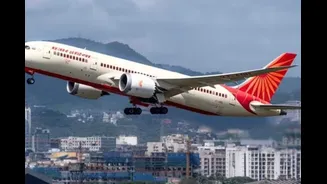
Indian airlines may feel the disruption more sharply than some others.
Many flights from India to Europe or North America typically cross the Middle East. At the same time, Indian carriers already face restrictions using Pakistani airspace, leaving fewer routing options available.
This combination can force airlines to take longer routes or limit flight operations, increasing operational costs and sometimes affecting schedules.
Rising Fuel Costs Add to the Pressure
Another factor adding to the aviation strain is the rise in global oil prices triggered by the conflict.
Jet fuel is one of the largest expenses for airlines, and any spike in oil prices quickly affects airline economics. Higher fuel costs can eventually translate into more expensive tickets or reduced flight frequencies.
What Travellers Should Keep in Mind
If you are planning international travel in the coming weeks, particularly through Middle Eastern hubs, experts recommend staying alert to potential disruptions.
Check flight updates regularly:
Airlines may revise schedules quickly depending on security developments.
Choose flexible tickets:
Booking fares that allow free changes or cancellations can help if flights are altered.
Allow extra time for connections:
Rerouting and delays can affect connecting flights, especially through major transit hubs.
Follow official travel advisories:
Governments may issue updates or warnings related to travel in the region.
Reach the airport earlier than usual:
Additional security checks or operational delays may increase waiting times.
An Uncertain Situation for Aviation
The aviation industry is closely watching how the situation unfolds. Airlines are continuously reviewing routes, security risks and government advisories as the conflict evolves.
For now, travellers should be prepared for some uncertainty when flying through or near the Middle East, a region that plays a crucial role in the global air travel network.
While the disruptions may not affect every flight, the crisis highlights how quickly geopolitical tensions can ripple through international travel.