
Sustainable fashion in 2025 is no longer defined only by organic fabrics or eco-certifications. Instead, it is increasingly shaped by how long a garment stays in circulation and how thoughtfully it is used.
Consumers are shifting focus from constant acquisition to care, longevity, and reinvention. From repairing seams and adjusting silhouettes to reworking heirloom textiles, fashion is being treated less as a disposable novelty and more as a living, evolving extension of personal style. This shift reflects a deeper understanding that sustainability begins not at checkout, but inside the wardrobe itself.
When Sustainability Starts At Home
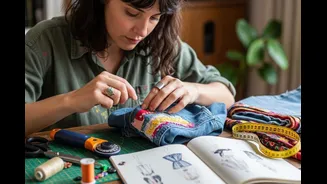
Seema Mahajan, President – Studio of Fashion & Craft, Usha International, says that conscious consumerism today goes beyond supporting “sustainable” brands. “It now centres on increasing the lifespan of what already hangs in the wardrobe,” she explains, pointing to the growing popularity of DIY fashion routes. Techniques such as visible mending, patchwork, hand embroidery, and basic tailoring are becoming badges of pride rather than signs of wear.
Mahajan highlights how home sewing machines, mending kits, and foundational stitching skills have quietly become tools of environmental stewardship. From darning socks and reinforcing waistbands to re-lining jackets or repurposing dupattas, jeans, and sarees, consumers are extending garment life without adding to consumption. She notes that apparel is being recast as a dynamic medium – where trousers evolve through colour refreshes, length alterations, or fabric inserts, and traditional Indian garments are routinely transformed into new silhouettes or accessories.
DIY Culture Meets Digital Amplification
What was once a niche hobby has now become a cultural signal. Mahajan observes that a generation attending repair workshops and sharing upcycling tutorials online is clearly asking brands to design for longevity, modularity, and adaptability. Social media platforms have turned DIY fashion into a shared visual language, with millions of posts showcasing garment makeovers and inventive reuse.
Offline, this movement is equally personal. Families are rediscovering skills passed down through generations – hemming, letting garments out, adjusting hemlines – reinforcing the idea that sustainability can be intimate, intergenerational, and emotionally resonant. As Mahajan notes, repairing or reworking clothing is now viewed as a smart, value-driven choice rather than a sentimental one, especially as price sensitivity and fast-fashion fatigue grow.
Voting With The Wallet
For Soumya Kalluri, Founder of dwij, conscious consumerism has moved firmly from trend to necessity. She stresses that consumers are now evaluating fashion through environmental, social, and ethical lenses before making purchases. “It begins with one conscious thought,” she says, adding that this awareness often leads people away from fast fashion toward more sustainable lifestyles.
Kalluri explains that today’s consumer actively questions sourcing, materials, and manufacturing practices. Social media plays a crucial role, with shoppers researching whether a brand’s processes align with their values. This scrutiny is forcing brands to audit supply chains, disclose carbon footprint data, and rethink waste as a resource rather than an afterthought.
Cost-Per-Wear, Resale, And The Capsule Effect
A key outcome of this mindset shift is a renewed focus on cost-per-wear. Kalluri notes that consumers are choosing fewer, better-made pieces that can withstand repeated use and versatile styling. Capsule wardrobes are gaining traction, as is the growing interest in pre-owned fashion, luxury resale, and rental models – especially among younger, budget-conscious shoppers.
At the same time, sustainable fashion consumers are becoming vocal critics of greenwashing. Kalluri points out that brands investing more in sustainability marketing than meaningful change are increasingly being called out. This pressure is pushing companies toward genuine impact rather than superficial claims.
As fashion moves toward 2026, conscious consumerism is redefining what style and sustainability look like together. Repair, reuse, resale, and thoughtful purchasing are no longer choices, but they are fast becoming the new norm.