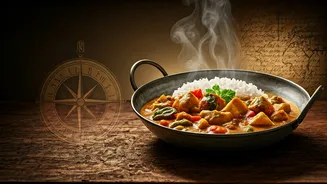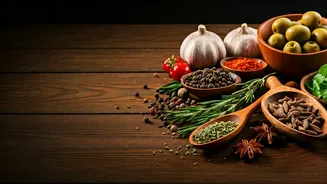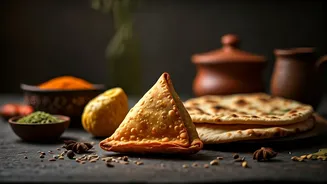




Several dishes that are now your go-to comfort foods, just a click away on your phone, were once reserved for royalty and the elite. Ingredients travelled across regions, cooking required time and mastery,
and every element on the plate reflected status as much as flavour.
What we casually enjoy today at weddings, family dinners, or even on regular days was once a true symbol of wealth, celebration, and indulgence.
Here’s a look at iconic Indian foods that began their journey as luxury before finding their way into our kitchens.
Saffron: The Golden Thread Of Luxury
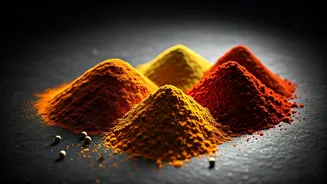
Few ingredients define opulence like saffron. Known for its vibrant colour and delicate aroma, it was always used sparingly—not just for taste, but for the prestige it carried. Whether infused into sweets or layered into rice dishes, saffron added a touch of celebration to every recipe it touched.
Basmati Rice: More Than Just A Staple
Not all rice was created equal. Basmati, with its long grains and signature fragrance, was the preferred choice for special occasions. It wasn’t just about sustenance—it was about presentation, aroma, and elevating a meal into something memorable.
Kheer: Slow-Cooked Indulgence
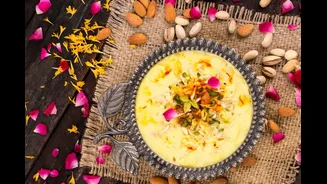
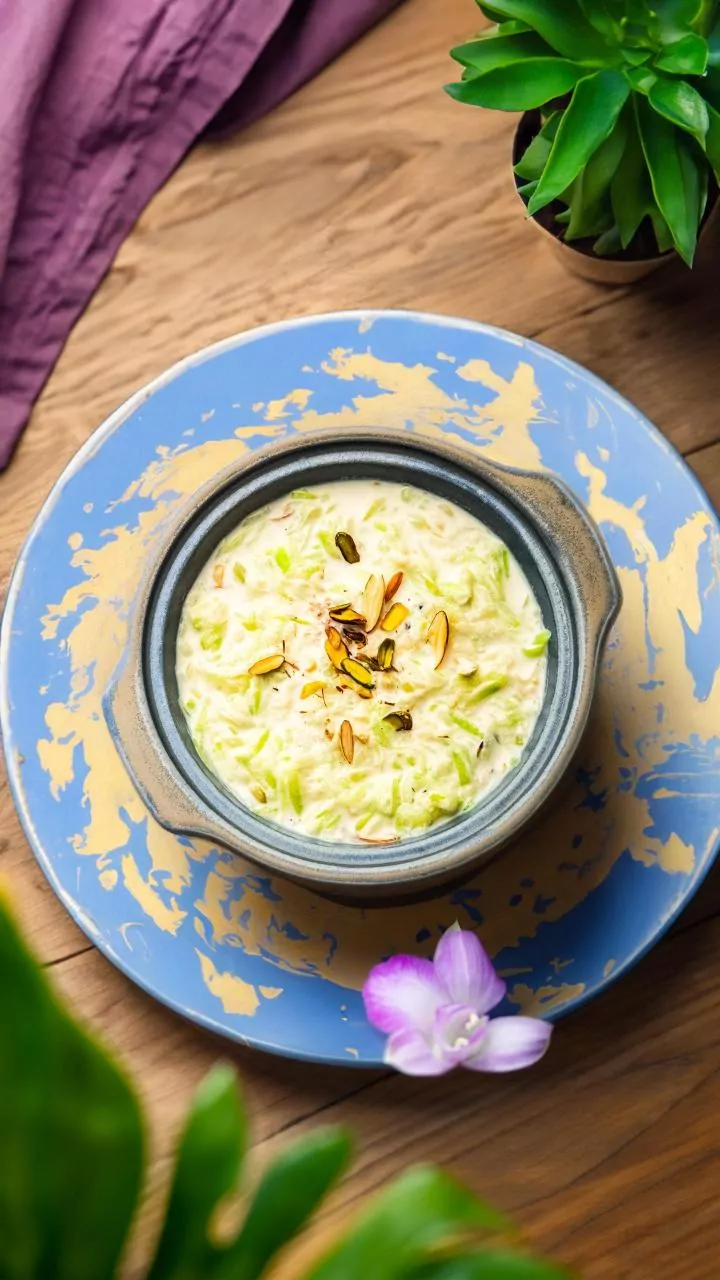
Kheer represents a softer, more subtle luxury. Made by slowly simmering milk, rice, and sugar, and enriched with saffron and nuts, it was a dessert reserved for festivals and sacred occasions. The time and ingredients it required made it special.
Shahi Tukda: A Royal Dessert
Shahi Tukda quite literally translates to a “royal piece.” Made with fried bread soaked in sweetened milk and topped with saffron and nuts, it transforms humble ingredients into a rich, indulgent dessert—true to its regal origins.
Dry Fruits: A Royal Garnish
Almonds, pistachios, and raisins were once rare additions, often linked to royal kitchens and festive spreads. Their presence in a dish signalled abundance and refinement, turning simple recipes into elaborate creations.
Ghee: The Taste Of Abundance
Today, ghee is a kitchen essential, but historically, it symbolised purity and prosperity. In a time when preserving dairy was a challenge, ghee stood out as a rich, valuable ingredient that enhanced both sweet and savoury dishes, making every bite feel indulgent.
Kebabs: Where Craft Meets Flavour
Kebab began as a dish of prestige, shaped by Central Asian and Persian influences. In royal courts, preparing kebabs was an art—marinating meat, balancing spices, and cooking it slowly over fire to achieve perfect tenderness. The attention to detail made it a symbol of culinary excellence.
Biryani: A Feast In Every Layer
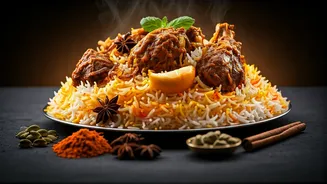
Biryani may be a comfort food today, but its origins lie in royal kitchens. Influenced by Persian culinary traditions, it evolved into a rich, layered dish combining fragrant rice, spices, and meat. Designed to impress, biryani was never meant to be simple—it was crafted to feel grand and celebratory.
What’s fascinating is how these dishes evolved. Once limited to palaces and elite households, they gradually became part of India’s everyday food culture. Trade expanded, ingredients became more accessible, and culinary traditions travelled across regions.
Today, while these foods are widely available, they still carry a hint of their luxurious past. Whether it’s the aroma of biryani, the richness of ghee, or the delicate flavour of saffron, each bite tells a story—of heritage, indulgence, and a time when food was as much about status as it was about taste.