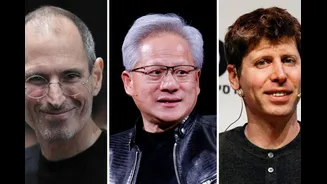





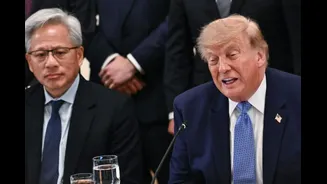


Nvidia co-founder and CEO Jensen Huang is back at the helm of the chipmaking giant after stepping down on November 12 amid allegations surrounding his personal life and concerns over a possible foreign
intelligence connection.
The company announced on Monday that Huang would resume his role following a US government assessment that reportedly found no national security concerns involving the CEO.
His departure had triggered an internal board investigation into whether he could have been targeted as part of a “foreign intelligence effort“.
The controversy had also raised questions about the future of his 33-year association with the company he established in 1993.
Following his return, Huang addressed Nvidia employees during an hour-long all-hands meeting at the company’s headquarters in Santa Clara, California.
“I made some terrible mistakes,” Huang reportedly told employees, apologising for his conduct and revealing that he was undergoing therapy. He acknowledged that violating the company’s code of conduct was “not acceptable”.
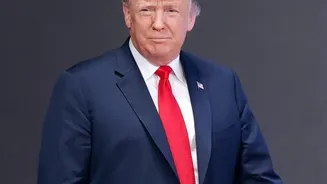
He also rejected reports suggesting that United States President Donald Trump had intervened to facilitate his return to the CEO position.
Huang’s exit had appeared to mark the end of an extraordinary three-decade run at Nvidia. However, the tech industry has seen several founders lose control of the companies they built, only to return to leadership after a period away.
From Steve Jobs at Apple to other prominent Silicon Valley entrepreneurs, these comebacks have often reshaped the companies involved.
Here are 11 tech founders who, like Huang, experienced a dramatic exit before making a return to their companies.
Steve Jobs, Apple
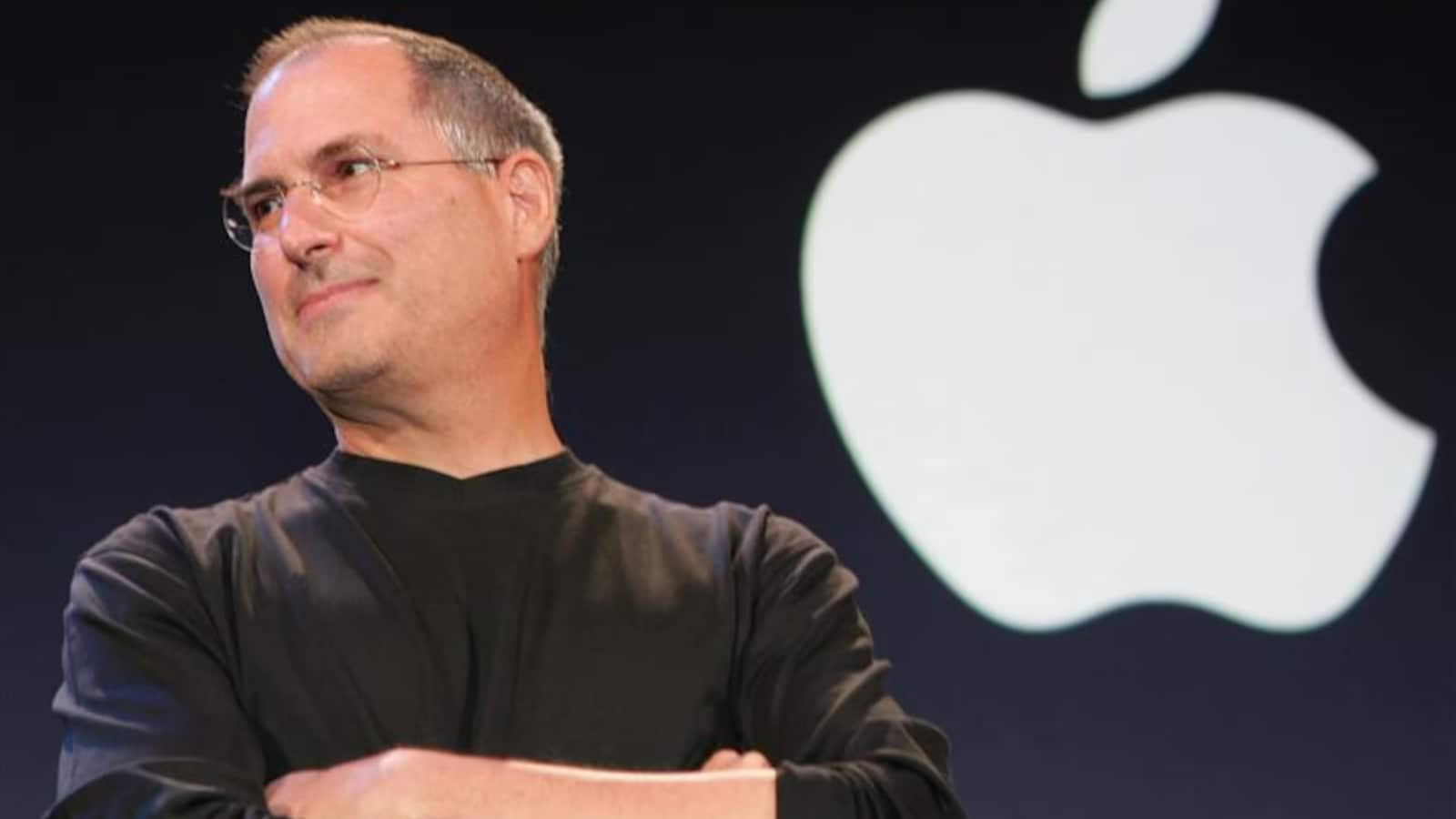
Steve Jobs’ first departure from Apple came in 1985, nine years after he had cofounded the company.
A downturn in sales and growing tensions over Jobs’ demanding approach to management brought him into conflict with CEO John Sculley. Although Jobs held the title of chairman, the board removed his responsibilities. He subsequently resigned.
He went on to establish computer company NeXT, which Apple bought in 1996 for $427 million. The following year, Jobs returned to Apple as its CEO.
Sam Altman, OpenAI
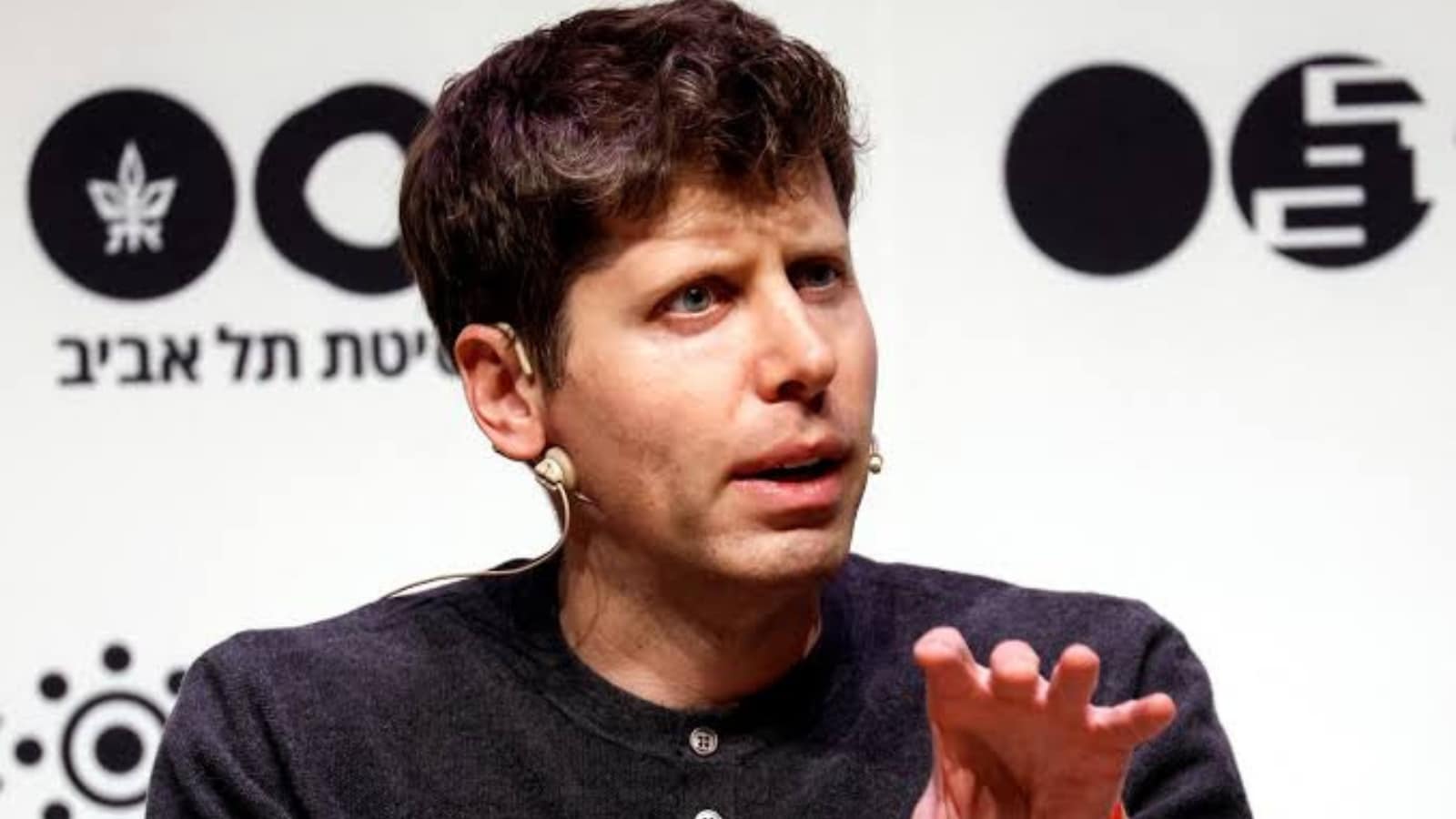
OpenAI was founded as a nonprofit in 2015 by Sam Altman, who initially served as its co-chair alongside Elon Musk. Four years later, Altman took over as CEO. He became the public face of the AI boom following ChatGPT’s launch in 2022.
His position came under threat in late 2023, when OpenAI’s board removed him. The board said it had lost confidence in his ability to lead the company, adding that he was not “consistently candid in his communications.”
However, employees and investors pushed back against the decision. Altman returned to the CEO position just four days after his ouster.
Jerry Yang, Yahoo
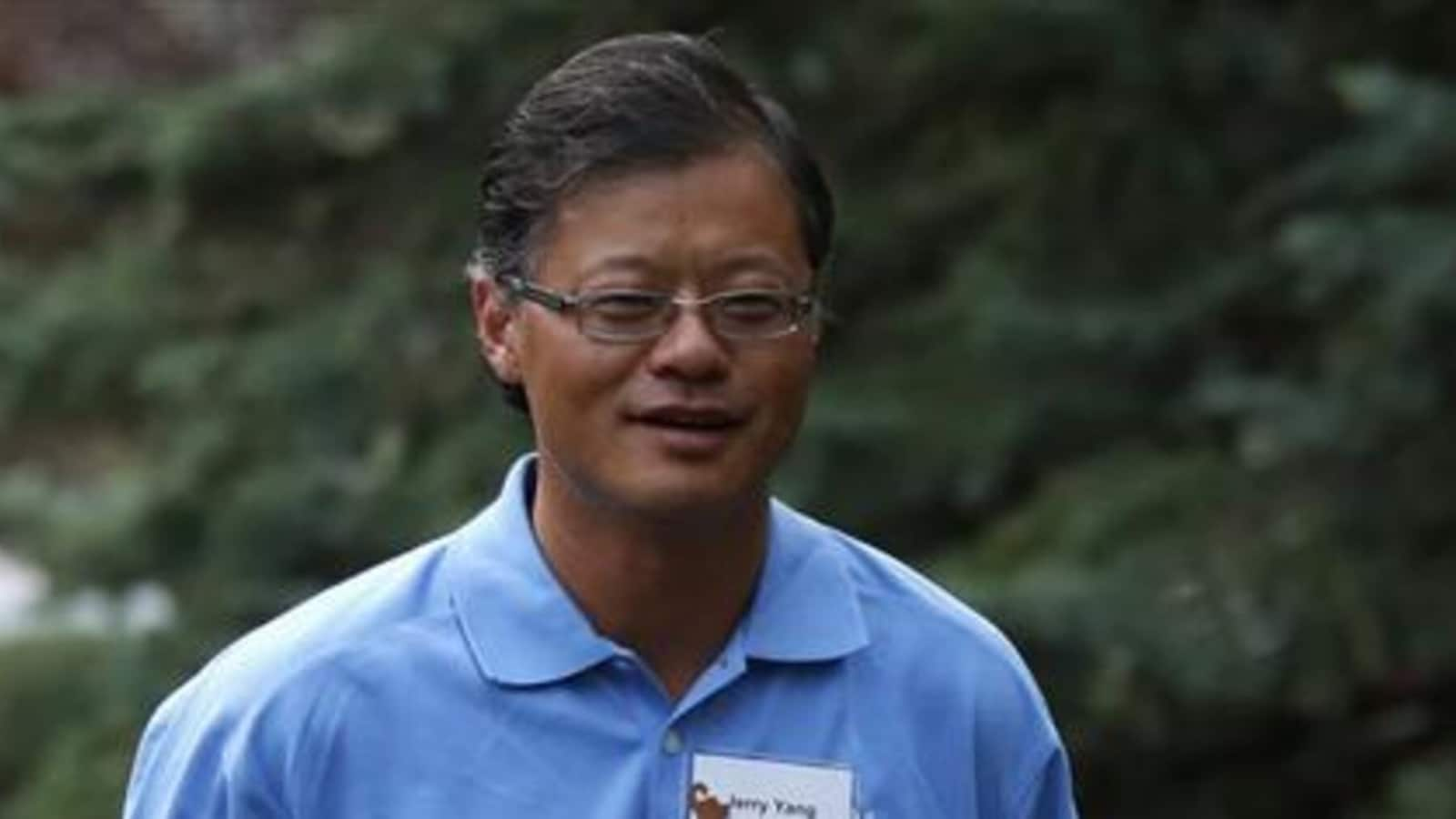
Yahoo began as a venture cofounded by Jerry Yang while he was studying at Stanford. Yang eventually took charge as CEO in 2007.
During his tenure, Microsoft made an offer to acquire Yahoo for more than $44 billion, significantly above the company’s market value.
Yang was unwilling to accept the proposal, and the negotiations eventually fell apart. Yahoo’s share price subsequently plunged by as much as 20%.
The failed deal drew criticism of the board’s handling of the negotiations. Yang came under pressure to give up the CEO role, although he continued working at Yahoo in another capacity until 2012.
Jack Dorsey, Twitter
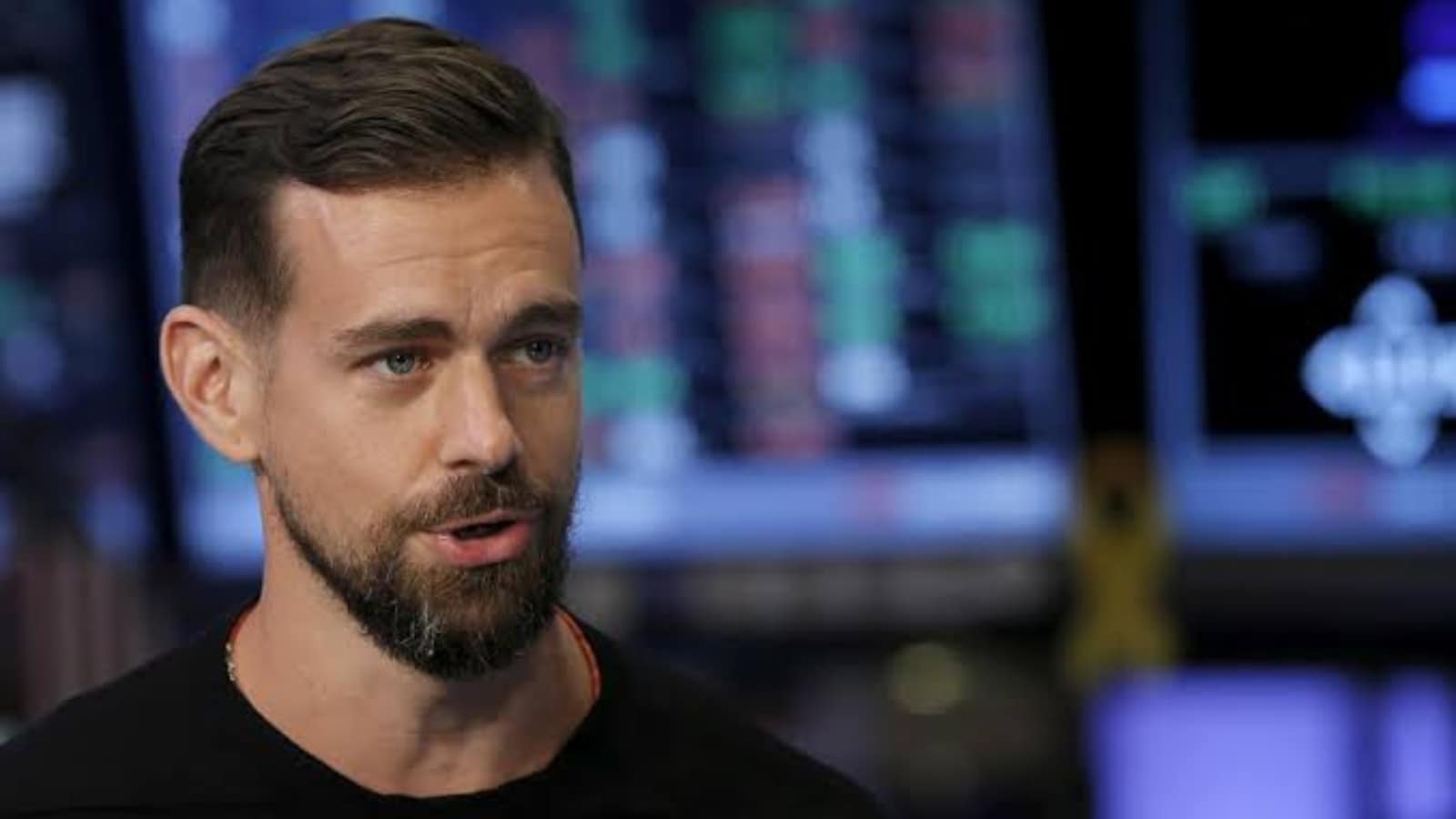
Jack Dorsey has been removed from the top job at the same company on two occasions.
His first exit came in 2008, when fellow Twitter cofounder Evan Williams fired him as CEO.
Dorsey subsequently launched Square, a payments processor. He returned to Twitter in 2015, initially taking up the position of interim CEO. The company later removed the interim designation from his title.
A second challenge to his leadership emerged in 2020. Activist investor Elliott Management questioned his ability to divide his attention between Twitter and Square and called for him to be removed. Dorsey left the CEO position the following year.
Sam Bankman-Fried, FTX
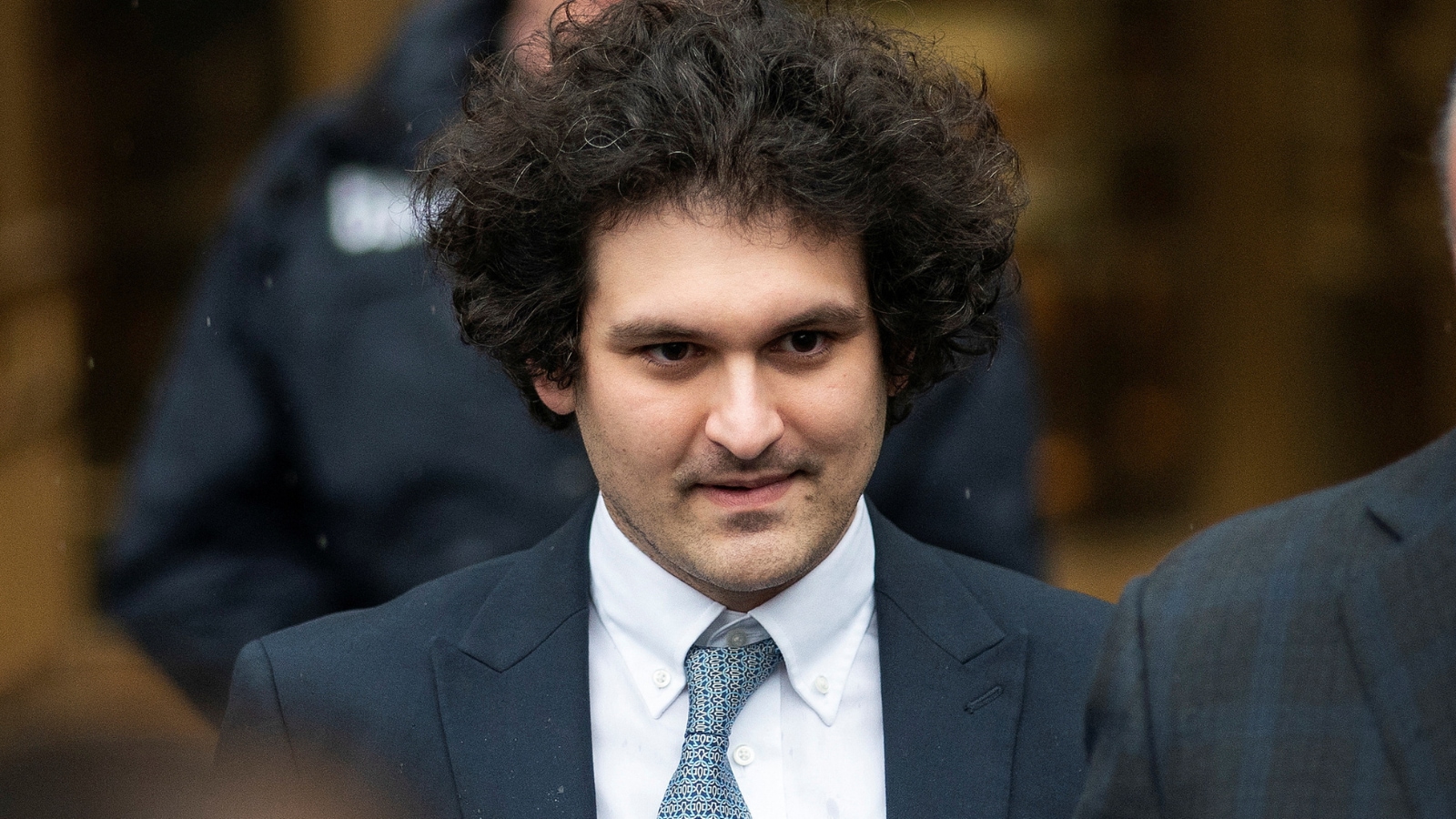
Sam Bankman-Fried rose to prominence in the cryptocurrency industry after founding exchange FTX. At the height of his wealth, his net worth reached $26 billion, making him one of crypto’s most prominent figures.
The troubles began in 2022, when CoinDesk published a report revealing that Bankman-Fried’s trading firm, Alameda Research, held a balance sheet largely consisting of FTX’s own cryptocurrency token.
The close financial links between the two businesses alarmed investors, triggering a rush to pull funds out of FTX. The exchange was unable to meet the withdrawals, partly because of lavish spending by its executives.
FTX subsequently filed for bankruptcy. Bankman-Fried was replaced by John J. Ray III, a lawyer specialising in recovering funds from failed companies, including Enron.
In 2024, Bankman-Fried received a 25-year prison sentence.
Elon Musk, X.com
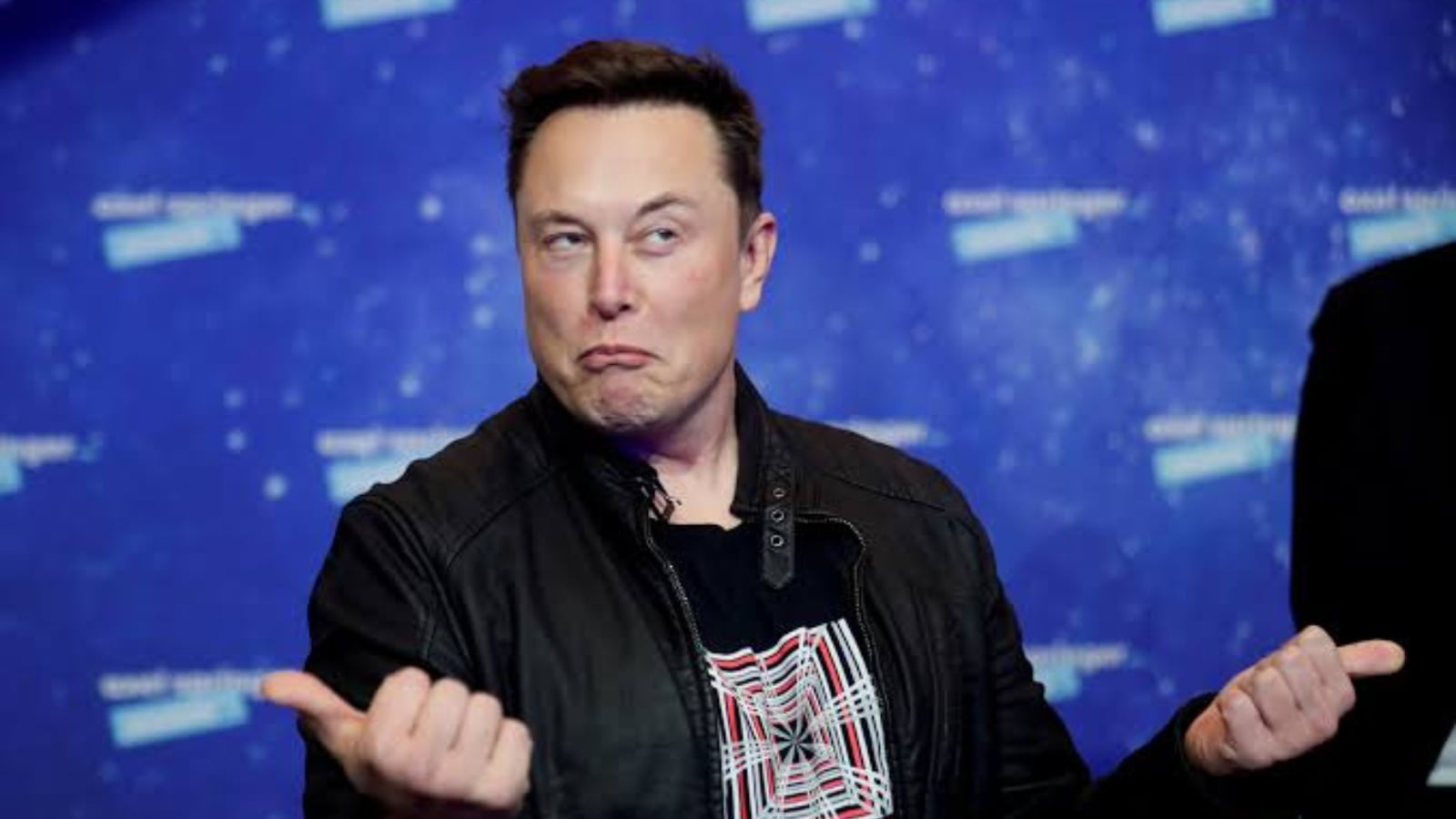
Elon Musk launched X.com in 1999 as a payments processor. The company joined forces with Peter Thiel’s Confinity a year later, the company behind PayPal.
Following the merger, the combined business initially continued operating under the X.com name, with Musk at the helm as CEO.
Disagreements within the leadership emerged over the company’s name, Musk’s management approach and his plan to rewrite the platform’s main infrastructure.
The conflict came to a head while Musk was away on his honeymoon. Thiel and his cofounder Max Levchin arranged a letter of no confidence, following which the board voted to replace Musk with Thiel as CEO.
Martin Eberhard, Tesla
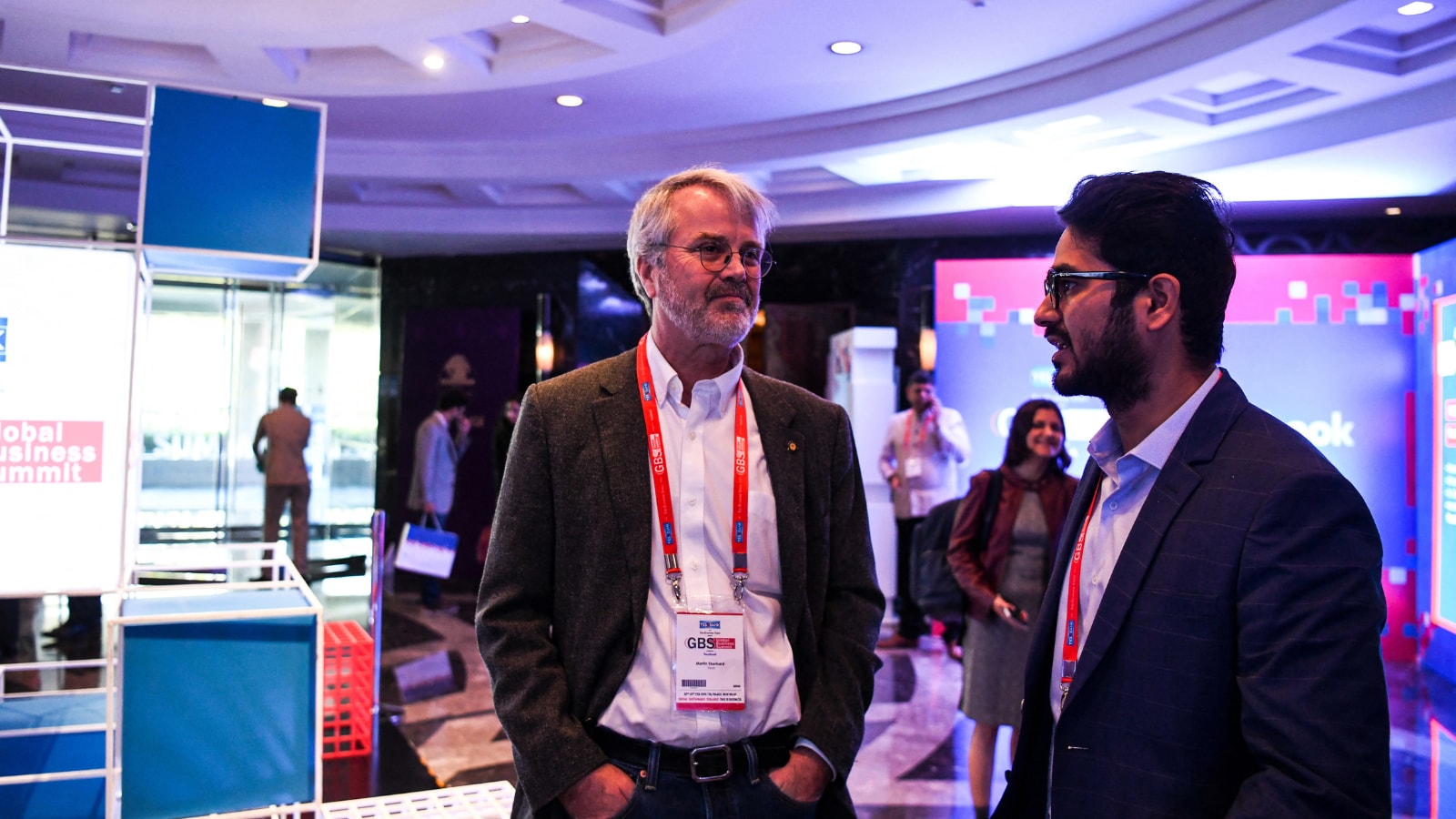
Martin Eberhard established Tesla with his cofounder in 2003. Elon Musk became part of the company the following year.
Eberhard had led Tesla as CEO from its beginning, but his tenure ended in 2007 when he was removed from the position. Recalling the circumstances to Business Insider, he said Musk called him to inform him that the board had held a meeting in his absence and decided he needed to step down.
Two years later, Eberhard filed a lawsuit against Tesla, alleging that Musk had defamed him and forced him out of the company. The dispute was eventually settled.
Travis Kalanick, Uber
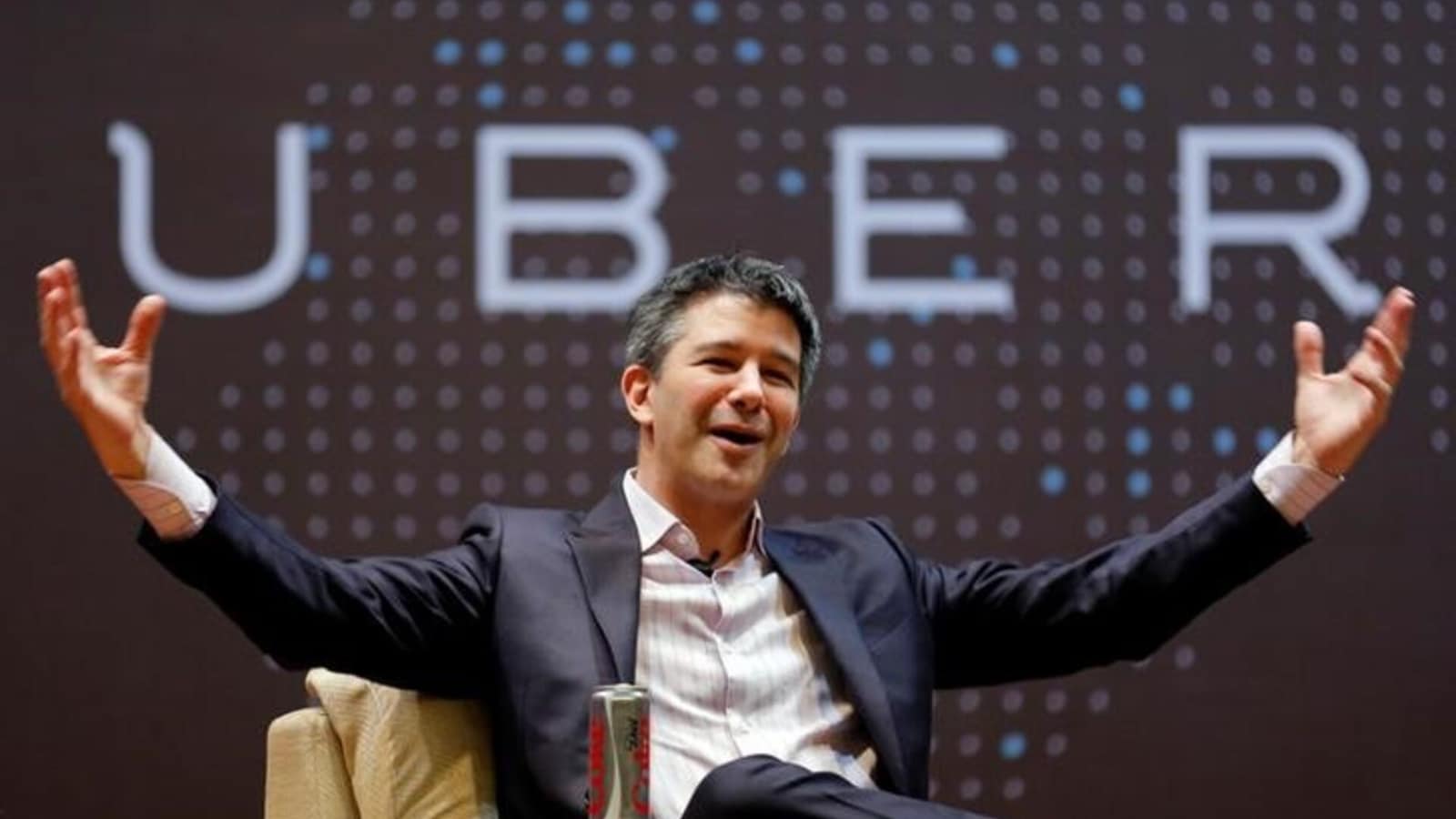
Uber was co-founded by Travis Kalanick in 2009, and he assumed the CEO role a year later.
His time leading the company was marked by a series of controversies. Uber faced criticism over allegations of a workplace environment characterised by bullying and misogyny.
In his book “Super Pumped: The Battle for Uber,” The New York Times reporter Mike Isaac reported that some executives had charged visits to strip clubs to the company.
The company also faced a major backlash in 2017, when accusations emerged that it planned to benefit from President Donald Trump’s travel ban.
A viral #DeleteUber campaign followed, resulting in the loss of hundreds of thousands of customers.
The controversy deepened after former engineer Susan Fowler made allegations of sexual harassment and failures within the human resources department. Uber responded by commissioning an independent inquiry into its workplace culture. The investigation ultimately led to Kalanick stepping down.
Eduardo Saverin, Facebook
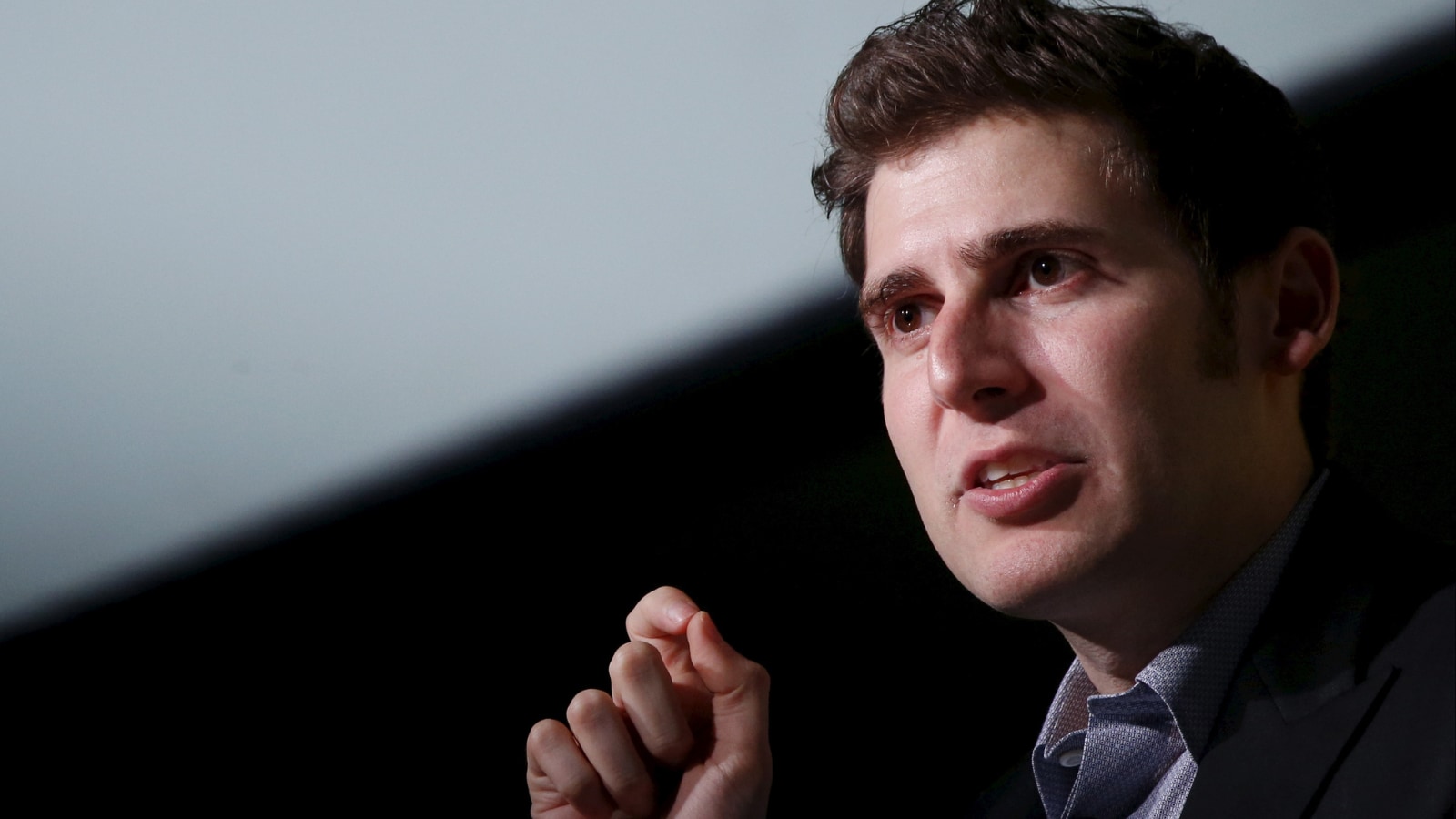
Eduardo Saverin, portrayed by Andrew Garfield in “The Social Network,” was among the people who founded Facebook alongside Mark Zuckerberg while they were students at Harvard. He was the company’s chief financial officer until he was pushed out in 2005.
Following an investment of $500,000 by Peter Thiel, Facebook underwent a restructuring. The board issued millions of additional shares, reducing Saverin’s 30% ownership in the company to less than 10%.
An email written by Zuckerberg at the time, which Business Insider obtained in 2012, contained the following question: “Is there a way to do this without making it painfully apparent to him that he’s being diluted to 10%?”
Saverin took the matter to court. The case was resolved out of court in 2009, with Saverin regaining his cofounder title. He also retained a stake that was valued at more than $2 billion when Facebook went public.
Andrew Mason, Groupon
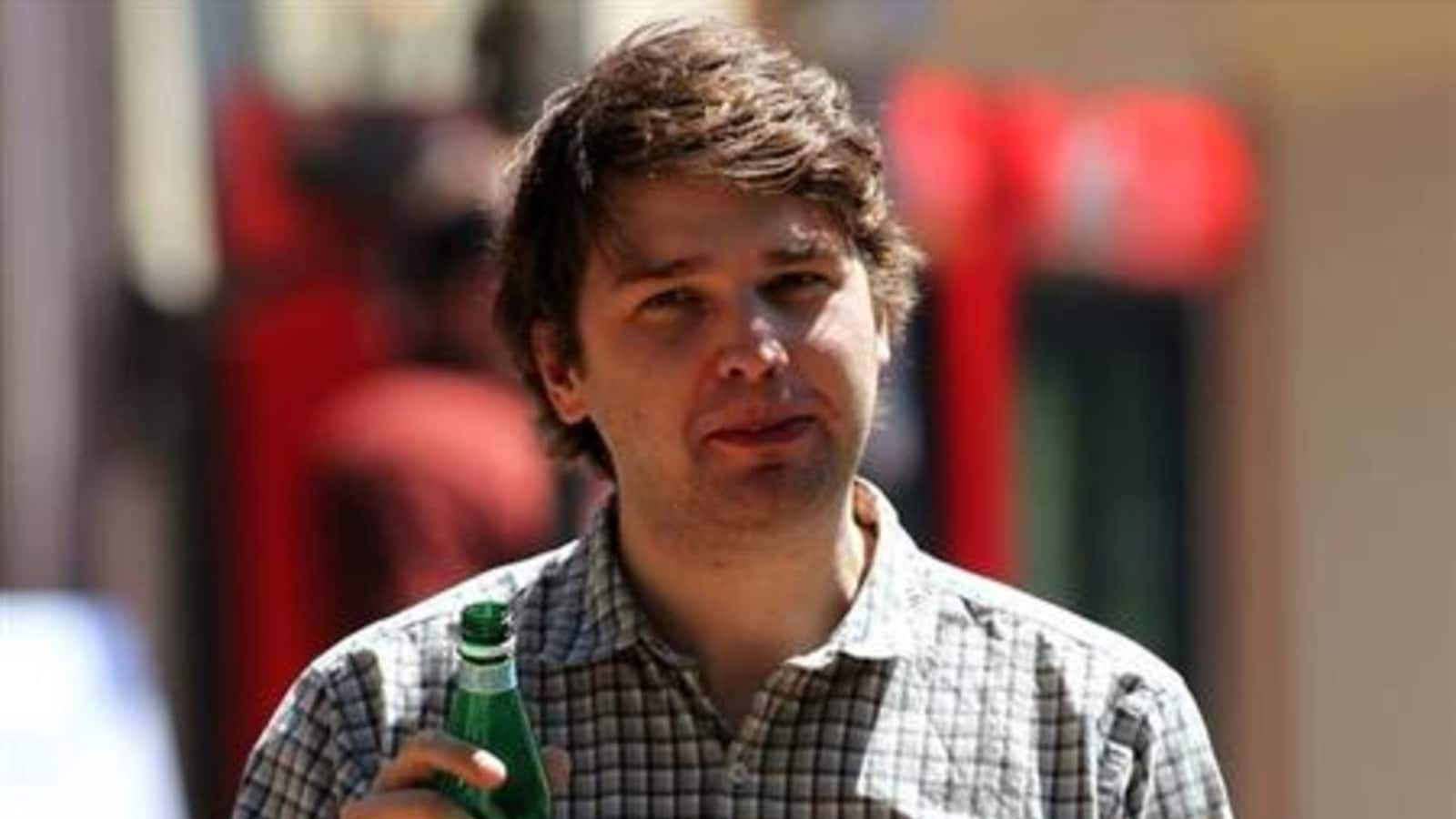
Andrew Mason established Groupon in 2008, building a business around offering discounts at local establishments.
The company attracted considerable attention in its early days, but its fortunes changed after it went public in 2011. Its share price subsequently dropped by around 90% from its peak.
In 2012, CNBC’s Herb Greenberg singled out Mason as the “Worst CEO of the Year.” He criticised Mason’s “goofball antics, which can come off more like a big kid than a company leader.”
The board eventually dismissed Mason in early 2013.
Palmer Luckey, Oculus VR
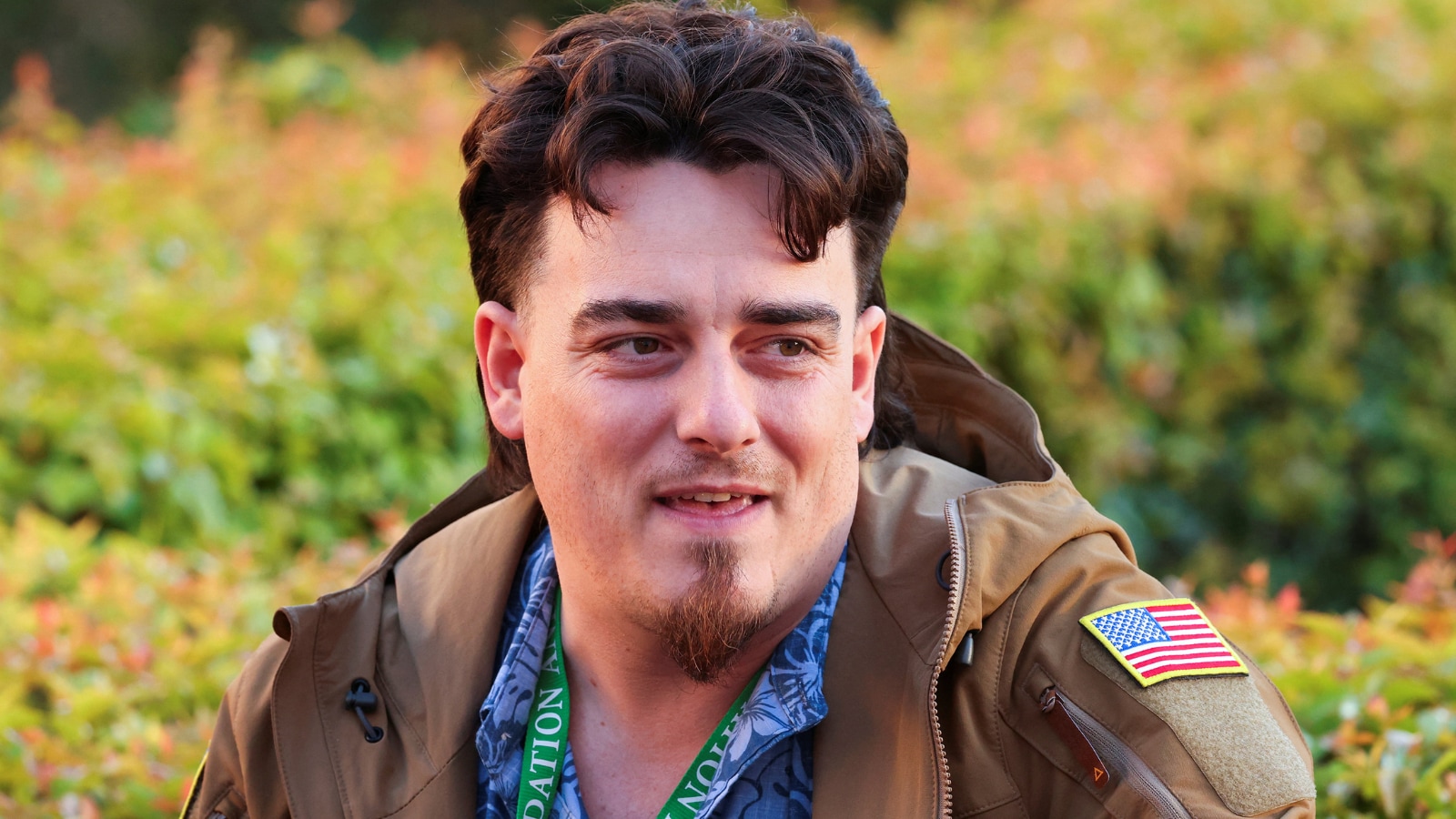
Palmer Luckey developed the initial prototypes of the Oculus Rift virtual-reality headset and collected $2.4 million through a Kickstarter campaign. Facebook acquired his company in 2014 for $2 billion. The business is now part of Meta’s Reality Labs division.
Luckey’s position at Facebook came under scrutiny in 2016 after he donated to a pro-Trump group that circulated anti-Hillary Clinton memes. The controversy prompted a backlash, and he left the company the following year.
Facebook CEO Mark Zuckerberg rejected claims that Luckey had been fired because of his political views.
Speaking to “60 Minutes” in a 2025 interview, Luckey offered his account of the controversy: “Everyone’s got a different story, but it boils down to I gave $9,000 to a political group that was for Donald Trump and against Hillary Clinton.”