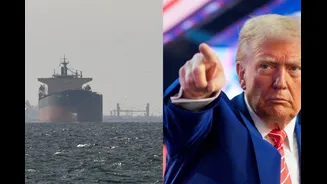







As fighting between the United States and Iran resumed this week and President Donald Trump declared that the ceasefire with Tehran is “over”, reports claimed Iranian officials had “privately admitted”
they “made a mistake” by attacking commercial ships in the Strait of Hormuz and conveyed their willingness to keep negotiations alive.
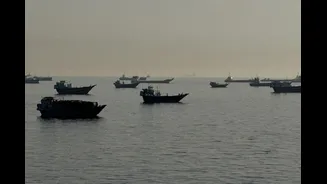
According to reports by CBS and Reuters, Iranian officials privately told advisers to Trump that the attacks were a mistake and were carried out by an “errant” group of hardliners attempting to derail ongoing negotiations. Senior US officials said the Iranian side conveyed a clear message to Washington: “We screwed up. We made a mistake. Let’s keep talking.”
The White House wants Iran to publicly acknowledge what it considers a violation of the ceasefire agreement.
Rogue hardliners blamed for attacks?
According to the reports, Iranian officials told Trump’s advisers that the attacks on commercial ships were initiated by an “errant” element within Iran’s system that was trying to undermine the agreement.
The explanation has become one of two competing narratives over why the attacks took place. Iran maintains that rogue hardliners sabotaged the peace process.
The Trump administration, however, believes Iran reacted after realising that oil and gas traffic was rapidly shifting through the southern shipping lane along the Omani coast, reducing Tehran’s leverage over the Strait of Hormuz.
US officials believe Iran panicked as commercial traffic increased through the southern route and then backed away from its commitments.
Oman talks
Negotiations are scheduled to continue in Oman on Saturday. President Trump has asked his negotiating team, led by Vice President JD Vance, Jared Kushner, Special Envoy Steve Witkoff and Secretary of State Marco Rubio, to continue discussions with Iran.
After the meeting, the White House expects Iran to publicly state that the Strait of Hormuz will remain open and be managed in the same way as it was before the conflict. One senior US official warned that if Iran does not take that position, “it’s not going to be a great day for them.”
Another official described the current situation as “a wait-and-see moment.”
Military and economic pressure
US officials said Washington is prepared to use both military and economic pressure if Iran continues hostile actions. They also said President Trump has given negotiators room to reach an agreement, but not unlimited time.
Officials said the administration’s immediate priority is ensuring freedom of navigation through the Strait of Hormuz before moving to more difficult issues.
Nuclear issue remains unresolved
Meanwhile, the Trump administration also addressed what the president has referred to as the “nuclear dust” remaining from Iran’s nuclear programme.
US officials said Washington would prefer to excavate Iran’s buried uranium. However, if Iran refuses to behave like what officials described as a “normal country”, other options remain available, including leaving the material buried.
According to one official, if Iran cannot honour what Washington considers the easiest part of the understanding which is keeping the Strait of Hormuz open for international trade, negotiations will never reach the more complex issue of Iran’s nuclear programme.