





The countdown for the Fashion’s biggest night is as much about what happens behind the velvet ropes as it is about the red carpet spectacle. On Monday, 4 May 2026, the Metropolitan Museum of Art will once
again host the Met Gala, the glittering fundraiser for the Costume Institute. This year’s theme, “Costume Art”, and its dress code “Fashion Is Art”, invite guests to treat the body as a canvas, drawing from 5,000 years of artistic depictions of the dressed (and undressed) form.
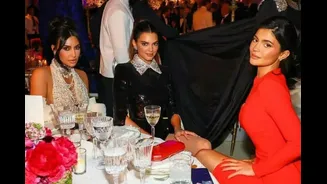
Yet for the approximately 450 carefully chosen attendees— a mix of A-list celebrities, fashion insiders, artists, and cultural figures, the real test begins long before they step onto the carpet. The Met Gala operates under a set of rigorously enforced, often unspoken rules designed to preserve exclusivity, encourage genuine interaction, and maintain an atmosphere of old-world elegance in a hyper-connected age.
Entry is strictly invitation-only. Anna Wintour, who has co-chaired the event since 1995 and holds final say, personally approves every name. Even when brands sponsor tables, they cannot freely select their guests; the list must receive official clearance. There is no buy-your-way-in option. Guests must also be at least 18 years old, as organisers deem the evening unsuitable for younger attendees.
Inside the World’s Most Exclusive Gala Rules And Etiquettes
Once inside, the no-phone policy is absolute. Mobile phones are not permitted for taking photographs or posting on social media. Staff actively monitor guests and gently (or not so gently) remind anyone reaching for their device to put it away and engage in conversation instead. The rule exists to protect the sanctity of the night: what happens at the Met stays at the Met. This creates an intimate, almost analogue experience rare in today’s celebrity culture.
The evening’s etiquette extends well beyond digital restraint. Guests are expected to mingle and converse actively. Seating is pre-arranged with military precision, and couples are deliberately separated to encourage broader social interaction. Each attendee reportedly gets a mere 20 seconds to chat with Anna Wintour upon arrival, a brief but prized ritual.
Behaviour inside the galleries is tightly controlled. Guests must not touch any artworks or displays, with violations risking future bans. Smoking is strictly prohibited under New York State law, and past incidents of discreet bathroom breaks for cigarettes or selfies have drawn public criticism.
Even the Menu Comes With Rules
Even the menu comes with its own precise directives. Chefs are instructed to avoid garlic and onion because of their lingering odour. Parsley is sidelined to prevent it getting stuck in teeth during close conversations. Bruschetta is off the table entirely, too messy for hands that must remain elegant all evening.
These seemingly quirky restrictions serve a larger purpose. They reinforce the Met Gala’s status as a private, almost sacred fundraiser rather than another red-carpet content factory. In an era where every moment is instantly shared, the rules force attendees to be fully present: talking, observing, and experiencing the exhibition “Costume Art” in real time.
For those lucky enough to receive the golden ticket, the message is clear: you are not merely attending a party. You are stepping into a carefully curated world where conversation trumps content creation, where breath must stay neutral, and where the art both on the walls and on the body, takes centre stage.
The red carpet may belong to the cameras, but once inside the museum, the night belongs to the rules that keep its magic intact. And in 2026, those rules remain as strict, and as secret, as ever.