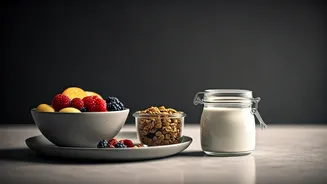





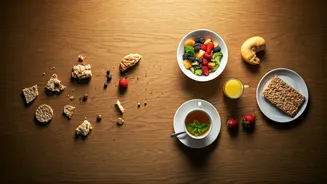
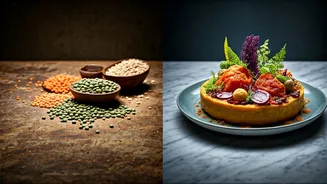
For decades, breakfast in urban India was often a rushed ritual, something to grab between getting ready and heading out the door. Today, however, that first meal is being reimagined. It is no longer just
about convenience or tradition, but about intention, nutrition, and long-term wellbeing. This shift reflects what many are now calling “Breakfast 2.0”—a more conscious, informed approach to starting the day.
“Breakfast in India is undergoing a quiet but powerful transformation,” says Arvind Patel, MD, Bharat Vedica – A Patel Venture.
Urban mornings may still be hectic, but priorities are changing. Increasingly, consumers are moving away from empty calories and highly processed foods, and toward ingredients that offer real nutritional value.
“Breakfast today is less about rushing and more about fueling the body right. This ‘Breakfast 2.0’ mindset focuses on quick, wholesome choices, from a spoon of raw honey to A2 Gir Cow ghee, that make healthy mornings practical and sustainable,” Patel explains.
This shift reflects a deeper demand for transparency and authenticity in food. Urban consumers are paying closer attention to clean labels, sourcing, and how ingredients support gut health, sustained energy, and metabolic balance.
Interestingly, this evolution is not about abandoning tradition but rediscovering it. “Traditional Indian breakfast wisdom from organic millets and wood-pressed oils to raw honey and A2 Gir cow ghee is making a strong comeback, but with a modern lens,” says Patel.
At its core, this movement reflects a blending of past and present. “This evolution isn’t about exotic superfoods; it’s about rediscovering what our grandparents always valued: purity, seasonality, and mindful eating. Urban India is blending tradition with science, choosing foods that are minimally processed yet convenient enough for today’s pace of life,” he adds.
Alongside this return to traditional ingredients, there is also a growing focus on functional nutrition particularly protein and balanced macronutrients.
“Urban India’s relationship with breakfast is clearly evolving. It’s no longer just about filling the stomach, but about fuelling the day,” says Ankit Jha, Founder and Chief Marketing Officer, Doctor’s Choice.
Modern lifestyles, marked by long commutes, high mental demands, and packed schedules, have made breakfast a strategic decision rather than a routine one.
“A protein-rich breakfast plays a crucial role here, helping improve satiety, stabilise energy levels, and support focus through the morning,” explains Jha.
As a result, traditional carbohydrate-heavy breakfasts are increasingly being complemented with protein- and fibre-rich additions.
“Urban consumers are consciously adding functional foods like protein oats, peanut spreads, and millet-based muesli that combine convenience with nutrition,” he says.
Convenience remains essential but not at the expense of nutrition. “What’s driving this shift is the need for meals that are quick to prepare yet nutritionally dense,” Jha notes. “A spoon of peanut butter added to toast or smoothies, a bowl of protein oats, or a millet muesli mix can deliver sustained energy without demanding much prep time.”
These choices reflect a growing understanding of how food affects not just physical health, but also cognitive performance and productivity.
“These foods offer a balanced blend of protein, fibre, and healthy fats, essential for managing hunger and supporting metabolic health,” he adds.
Ultimately, Breakfast 2.0 represents more than just a dietary trend, it signals a broader cultural shift in how urban India approaches health and everyday living.
“Breakfast has become less about habit and more about intention,” Patel says. “People want transparency, authenticity, and nourishment they can trust.”
And as Jha points out, the impact extends beyond the morning. “Starting the day with nutrient-rich, protein-forward foods is not just a trend, it’s a practical step toward better daily performance, long-term wellness, and mindful eating in an always-on urban environment,” he says.
In many ways, the new Indian breakfast reflects the new Indian consumer: informed, intentional, and seeking balance between tradition and modernity. What was once the most overlooked meal of the day is now becoming one of the most thoughtfully considered.