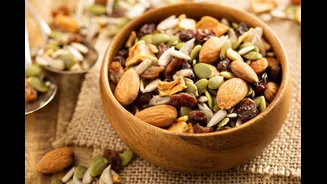





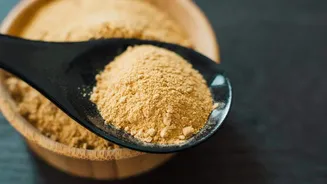
Sometimes the smallest additions make the biggest difference. A spoonful of seeds tossed into your breakfast bowl or blended into a smoothie can quietly upgrade your plate with fibre, protein, healthy
fats and essential minerals. Yet in a market crowded with ‘superfood’ labels, choosing between flax, chia, pumpkin and sunflower seeds can feel overwhelming. The truth is simpler: there’s no universal winner. The right seed depends on what your body needs today – whether that’s better digestion, steady energy, stronger immunity or glowing skin.
“Seeds may be small, but they are quietly powerful. The right option depends less on trends and more on what your body currently needs,” says Preety Tyagi, nutritionist and founder of Nutrishifts. Jeevan Kasra, chairman at Steris Healthcare, agrees, adding, “Different seeds provide their own unique health advantages. Your personal nutritional requirements should guide your choice.”
Flax Seeds: For Heart Health And Hormonal Balance
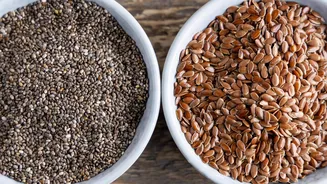
If your focus is cardiovascular wellness or digestive regularity, flax seeds may be your quiet staple. Rich in plant-based omega-3 fatty acids and lignans, flax supports heart health while offering a hefty dose of fibre. “Freshly ground flax has a mild, nutty character and works beautifully in oatmeal or baked goods,” Tyagi notes. Grinding is essential, she adds, since whole seeds may pass through undigested.
Kasra highlights flax’s broader benefits: “Its omega-3 content helps maintain cardiovascular and hormonal functions.” For anyone managing cholesterol levels or looking for a gentle digestive boost, flax is a smart everyday addition.
Chia Seeds: For Fullness And Steady Energy
Tiny but mighty, chia seeds expand dramatically when soaked, forming a gel-like texture that keeps you fuller for longer. That slow-release effect makes them a favourite for sustained energy.
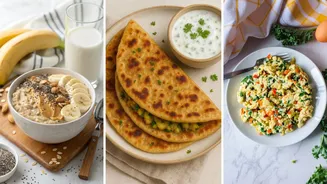
“Chia provides fiber, plant protein and omega-3s in a remarkably compact form. If you struggle with mid-meal hunger, chia’s soluble fiber can help extend satiety,” says Tyagi. Kasra echoes this benefit, pointing out that chia aids digestion while delivering long-lasting energy, making it ideal for busy days or active lifestyles. Stir them into puddings, smoothies, or even use them as an egg substitute in baking.
Pumpkin Seeds: For Immunity And Muscle Support
Pumpkin seeds, or pepitas, bring a different nutritional strength. Packed with magnesium, zinc and iron, they address common micronutrient gaps. “If muscle recovery, immune resilience or better sleep is on your radar, pumpkin seeds may be the quiet ally you’re missing,” says Tyagi.
Kasra adds that their mineral profile supports immunity and muscle performance, making them especially useful for athletes or those prone to fatigue. Their earthy crunch also makes them the most snackable of the lot.
Sunflower Seeds: For Skin And Antioxidant Defence
Bright and versatile, sunflower seeds are loaded with vitamin E and healthy fats – a combination that supports skin health and cellular protection.
“For everyday antioxidant reinforcement, sunflower seeds are a simple addition,” Tyagi says.
Kasra notes they help maintain radiant skin and overall wellness, thanks to their protective fat-soluble nutrients. Sprinkle them over salads or blend them into creamy seed butter for an easy nutrient lift.
Why Rotation Beats Restriction
Both experts agree that variety matters more than loyalty to a single seed. Rotating between options ensures a broader nutrient spectrum – from omega-3s and fibre to minerals and antioxidants. Instead of chasing the next superfood, think of seeds as a weekly toolkit: flax for heart days, chia for busy mornings, pumpkin for recovery and sunflower for daily protection.
No single seed holds the crown. True nourishment lies in diversity and mindful choices. By tuning into your body’s needs and mixing these tiny powerhouses into everyday meals, you create a simple, sustainable way to upgrade your nutrition – one spoonful at a time.