







U.S. President Donald Trump has taken a wrecking ball to multilateralism. From Gaza to Greenland, Caracas to Canada, his muscular territorial hustle appears to be redrawing the rules of power unilaterally.
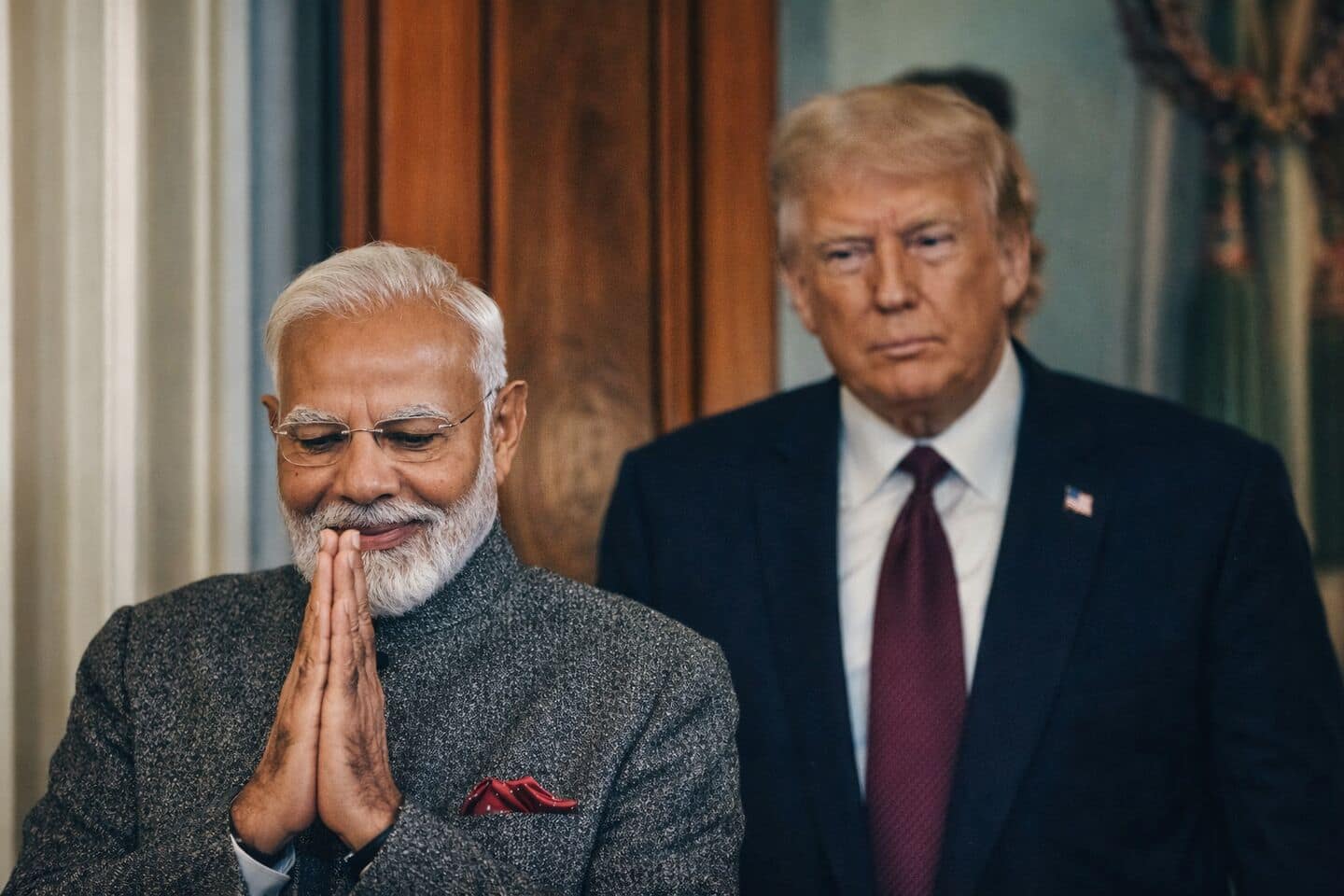
It’s not as if the United States has ever been bashful about asserting its power without deference to global bodies like the United Nations. But Trump’s interventions lack even the moral fig-leaf that his American predecessors routinely used to cover Washington’s naked pursuit of national interest. Legitimacy, it appeared, still mattered to them. That nicety clearly does not matter to Trump. Trump’s modus operandi is now well-known. Yet a U.S.-led, Trump-chaired Gaza “Board of Peace” that sidelines traditional multilateralism, and renewed talk of asserting American control over Greenland, have still managed to rattle allies. Many of them India included, if not publicly, then privately are wondering whether Washington is now normalising territorial politics. Countries like India, which were reduced to colonies during the height of imperial expansion, have little difficulty spotting the colonial stripe in this new-age “Don-roe Doctrine”. The Gaza “Board of Peace”, with Trump as its lifelong chairperson and his son-in-law and assorted business associates as executive participants, resembles less a peace initiative and more a real-estate venture masquerading as a modern Marshall Plan. India may have received an invitation to join. It would be well advised to stay away. Very far away. Here are at least five reasons why. First, India has consistently backed UN-led conflict resolution. Joining a U.S.-designed board legitimises parallel power structures and weakens the multilateral order India claims to defend. Second, participation would be read across West Asia as alignment with a U.S.–Israeli framework, not neutrality. In that region, perception often matters more than intent. Third, blending reconstruction with security and governance risks pulling India into the morass of administering territory. That runs directly against India’s own historical experience of resisting colonial control. Fourth, if the Gaza Board deviates from its supposedly altruistic mission, or simply fails, India would pay a reputational price. Loss of regional goodwill would be felt domestically and across the Global South. And fifth, when the United States bends sovereignty to strategic convenience, it weakens the global order it once enforced creating precisely the opening that China exploits. Delhi cannot afford to lose the moral high ground to Beijing, especially on questions of territory and precedent. India’s strength has always come from staying aligned with principles, not personalities. Joining the Board would be to compromise strategic autonomy.
Views expressed in the above piece are personal and solely those of the author. They do not necessarily reflect News18’s views.