







Winter smog is usually treated as a lung problem. The coughing, throat irritation, watery eyes and breathlessness are hard to miss. But when a thick layer of pollution settles over a city, the impact may
not stop at the lungs.
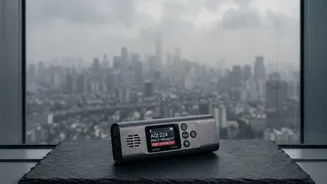
As Delhi’s air quality deteriorates, on October 23, the city’s Air Quality Index (AQI) climbed to 200, while a reading of around 292 was reported the same morning, placing the air in the ‘Poor’ category. With winter approaching, the growing smog is raising concerns not just about respiratory health, but also about the pressure prolonged exposure to polluted air may place on the heart.
Air pollution contains fine particles and other pollutants that can affect circulation and blood vessels. Prolonged exposure has been linked with increased cardiovascular strain, while cold temperatures can further increase the workload on the heart.
Winter smog is not only a respiratory problem; it can put a strain on the cardiovascular system. “PM2.5, fine particulate matter, can go deep into the lungs and enter the bloodstream causing inflammation, oxidative stress and dysfunction of the blood vessels,” explains Dr. Anjan Siotia, Cardiologist. “They can interfere with circulation, raise blood pressure and help increase the risk of cardiovascular events.”
How Can Winter Smog Affect The Heart?
According to Dr. Anjan Siotia, Director of Cardiology at BM Birla Heart Hospital, winter smog can affect the cardiovascular system through several pathways. Pollution is only one part of the winter problem. When temperatures fall, blood vessels naturally constrict to conserve body heat. This vasoconstriction can increase resistance to blood flow and make the heart work harder.
“When exposure to air pollution is prolonged or occurs alongside other risk factors such as hypertension, diabetes, high cholesterol, smoking or an existing heart condition, the heart is particularly vulnerable,” says Dr. Siotia.
“Pollutants may interfere with the autonomic nervous system, which regulates heartbeat and blood pressure, and can cause abnormal heart rhythms. This combination of effects can increase the chances of heart attacks and strokes in people who are prone to these events. The cold weather can add to the burden by constricting the blood vessels and increasing the workload on the heart.”

PM2.5 refers to extremely fine particles that can penetrate deep into the respiratory system. Air pollution can irritate the inner lining of blood vessels, make them narrower or stiffer and contribute to increased blood pressure. It may also affect the body’s ability to regulate circulation.
The combination can be particularly concerning for people who already have cardiovascular risk factors. Existing heart disease, high blood pressure, diabetes, high cholesterol, smoking and older age can increase vulnerability during periods of heavy pollution.
Can Smog Increase The Risk Of A Heart Attack?
Poor air quality can place stress on the cardiovascular system in multiple ways. Polluted air may affect blood vessels, increase inflammation and interfere with normal circulation. Some evidence also suggests that air pollution can contribute to processes involved in clot formation, which can become dangerous when blood flow to the heart is blocked.
This does not mean that every person exposed to smog will have a heart attack. However, for someone with underlying cardiovascular disease or several risk factors, an additional stressor such as prolonged pollution exposure may increase the likelihood of a cardiac event.

The warning signs should therefore not be dismissed simply because the air outside is the obvious environmental problem.
What Are The Symptoms Of Heart Problems Caused By Pollution?
During periods of heavy smog, symptoms such as chest pain or heaviness, sudden breathlessness, unusual sweating, dizziness, fainting or pain spreading towards the arm, jaw, neck or back require medical attention. Older adults and people with diabetes may sometimes experience less typical symptoms, such as unusual fatigue or indigestion-like discomfort.
Persistent or severe chest discomfort should never automatically be attributed to pollution, acidity or muscle strain. If symptoms suggest a possible cardiac emergency, seek urgent medical care.
“Pollution’s effects are not always visibly apparent right away, which is an important consideration. Someone may not appear to have difficulty breathing but may be exposed to pollutants that affect vascular health. Thus, we cannot assume the air is safe just because there are no respiratory symptoms,” says Dr. Siotia.

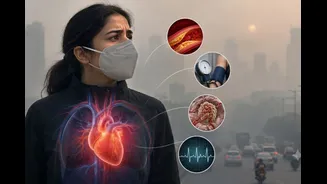
When you breathe polluted air, fine particles and harmful gases can trigger inflammation, damage blood vessels and affect normal circulation. This can increase cardiovascular risks in several ways:
- Blood vessel damage: Inflammation can make blood vessels less flexible.
- Higher blood pressure: Pollution may affect blood vessel function and increase cardiovascular strain.
- Blood clot formation: Fine particles may promote clotting, raising the risk of heart attacks and strokes.
- Irregular heartbeat: Pollutants may affect the nervous system and disrupt normal heart rhythm.
How Can You Protect Your Heart During Winter Smog?
Reducing exposure becomes particularly important when pollution levels are high. Dr. Siotia recommends following local air quality advisories, avoiding strenuous outdoor activity during heavy smog and choosing cleaner indoor environments whenever possible.
“People should follow local air quality advisories during periods of heavy smog, avoid strenuous outdoor activity when pollution levels are high, and select cleaner indoor environments whenever possible. Those at higher cardiovascular risk should be particularly cautious and continue taking prescribed medication,” he says.
Heart patients should also continue their prescribed treatment rather than stopping medicines because they are spending more time indoors. Checking blood pressure regularly, avoiding smoking and limiting unnecessary outdoor exertion can also help reduce additional cardiovascular stress.