






For many, the fitness journey begins and ends with a number on the weighing scale. It’s the easiest metric to track, but also the most misleading. A lower number may feel like progress, but it doesn’t
always reflect better health, improved strength, or a leaner body. In fact, focusing only on weight can distract from what truly matters: body composition and long-term wellness.
The Core Confusion Between Weight Loss And Fat Loss
“The confusion between weight loss and fat loss is real. Many people begin their fitness journey believing that the lower the number on the weighing scale, the healthier or fitter they are becoming,” says Mitushi Ajmera, an Elite Fitness Master Trainer and Nutritionist.
She explains that this mindset often leads to extreme habits such as skipping meals, cutting calories drastically, or chasing quick fixes. “The pressure to show quick ‘before and after’ results sometimes shifts attention away from better health and improved body composition,” she adds.
What Weight Loss Really Means
Weight loss, at its simplest, is a reduction in total body weight. But that number includes far more than just fat. “Weight loss can come from body fat, muscle, water, glycogen, and even food in the digestive system,” Ajmera explains.
This is why rapid drops, especially from crash dieting, are often misleading. Initial losses are typically water and glycogen, not fat. More importantly, losing muscle in the process can be harmful. Muscle plays a key role in metabolism, strength, posture, and injury prevention. When it’s lost, the body becomes less efficient at managing fat over time.
Why Fat Loss Is The Real Goal
Fat loss, on the other hand, is far more specific and far more beneficial. It focuses on reducing body fat while preserving lean muscle mass. “Fat loss improves body composition, strength, metabolic health, and overall appearance,” Ajmera notes. This is where many people get confused. You may not see a dramatic drop on the scale, but your body could still be transforming in meaningful ways.
Muscle Vs Fat: The Iron And Cotton Analogy
To simplify, Ajmera offers a powerful visual: “Think of one kilogram of muscle like iron – dense and compact. Now imagine one kilogram of fat like cotton – bulky and taking up more space.” Both weigh the same, but they look completely different on the body. This explains why someone can appear leaner and more toned without a significant weight change.
Beyond The Weighing Scale
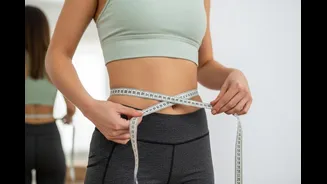
“The scale shows weight loss, but the inch tape shows fat loss,” Ajmera emphasises. Tracking measurements – such as waist, midsection, and chest – offers a clearer picture of progress. These markers often reveal subtle but meaningful changes that the scale cannot capture.
How To Focus On Fat Loss
Not all progress feels the same. Weight loss driven by extreme dieting often comes with warning signs: low energy, weakness, hair loss, and reduced strength. In contrast, healthy fat loss tends to feel empowering.
Sustainable fat loss requires a balanced approach. “The key is creating a modest calorie deficit, supported by resistance training and adequate protein intake,” Ajmera advises. This combination helps preserve muscle while encouraging fat reduction.
The scale can be a useful tool, but it should never be the only one. True fitness isn’t about simply weighing less; it’s about building a body that is stronger, healthier, and more resilient.