





As seasons shift, so does the body’s ability to adapt. Changes in temperature, humidity, and environmental conditions can weaken immunity, making individuals more susceptible to common ailments such as colds,
coughs, allergies, and digestive disturbances. These transitional phases, whether moving from winter to spring or summer to monsoon, often place additional stress on the body, requiring a more mindful approach to health.
On World Homeopathy Day, Dr Kushal Banerjee, Senior Homeopath, Dr Kalyan Banerjee’s Clinic shares how to stay resilient through seasonal transitions.
According to Dr Banerjee, homeopathy, with its focus on strengthening the body’s natural defence mechanisms, offers a gentle and preventive approach during such times. Rather than addressing symptoms in isolation, it works on improving overall resistance, helping the body adapt better to environmental changes.
Dr Kushal Banerjee explains that one of the most common concerns during seasonal transitions is recurrent respiratory infections. Sudden temperature fluctuations can trigger colds, sore throats, and sinus issues. Homeopathic remedies are often chosen based on individual symptom patterns for instance, sensitivity to cold air, throat dryness, or nasal congestion aiming to reduce the frequency and intensity of such episodes over time. For individuals prone to seasonal allergies, particularly during spring or monsoon, Dr Kushal Banerjee notes that homeopathy may help manage symptoms like sneezing, watery eyes, and nasal irritation by addressing underlying sensitivities.
Digestive health is another area that tends to be affected during weather changes. Dr Kushal Banerjee highlights that irregular eating habits, changes in water intake, or increased consumption of seasonal foods can lead to bloating, acidity, or sluggish digestion. Homeopathy approaches these concerns by focusing on individual triggers and improving digestive balance, rather than offering a one-size-fits-all solution.
Skin conditions also tend to flare up with seasonal shifts. As Dr Kushal Banerjee points out, dryness in winter, fungal infections during monsoon, or heat rashes in summer are common. Homeopathic treatment often considers both external symptoms and internal factors such as immunity and metabolism, aiming for longer-term relief rather than temporary suppression.
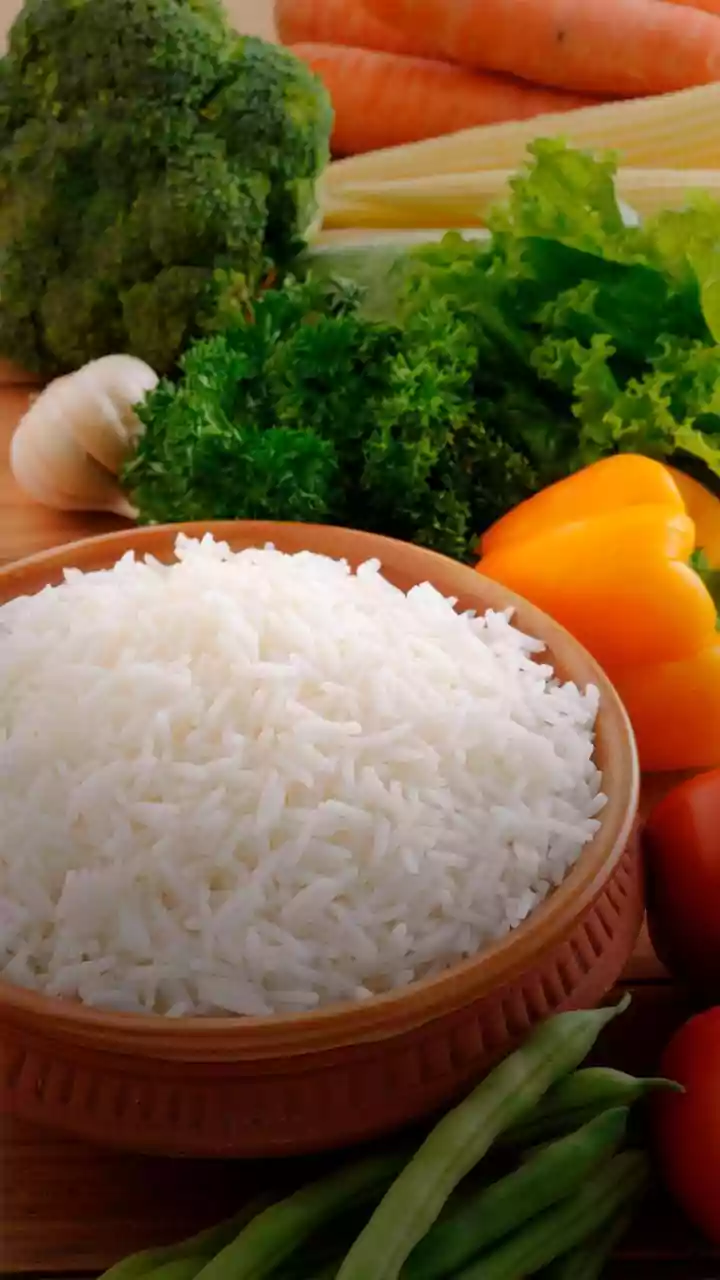
Beyond remedies, Dr Kushal Banerjee emphasises simple lifestyle practices that support overall well-being. Maintaining a consistent routine, ensuring adequate hydration, and adapting one’s diet according to the season are essential. Fresh, seasonal foods, sufficient rest, and moderate physical activity can significantly improve the body’s resilience. Additionally, managing stress plays a key role, as emotional well-being is closely linked to immunity.
Preventive care is a central principle in homeopathy, notes Dr Kushal Banerjee. Many practitioners recommend personalised management protocols based on an individual’s past tendencies to strengthen immunity over time. This can be particularly beneficial for individuals who frequently fall ill during seasonal changes.
However, Dr Kushal Banerjee cautions that it is important to approach treatment responsibly. Self-medication, even with homeopathic remedies, may not always be effective, as the choice of medicine depends on a detailed understanding of symptoms and individual constitution. Consulting a qualified practitioner ensures that the treatment is tailored and appropriate.
As weather patterns become increasingly unpredictable, Dr Kushal Banerjee concludes that building resilience against seasonal illnesses is more important than ever. A balanced approach that combines preventive care, lifestyle adjustments, and personalised treatment can help individuals navigate seasonal transitions more comfortably, maintaining both physical health and overall well-being.