





Saudi Arabia’s economy slowed sharply in the second quarter of 2026, recording its biggest year-on-year decline since the Covid-19 pandemic. Fresh government data released on Thursday showed that weaker
oil production and continued regional tensions significantly weighed on economic activity.
Preliminary estimates from the General Authority for Statistics showed the kingdom’s gross domestic product (GDP) fell 4.8 per cent between April and June compared with the same period last year. In contrast, the economy had expanded by 3 per cent in the first quarter, highlighting a sharp turnaround within three months.
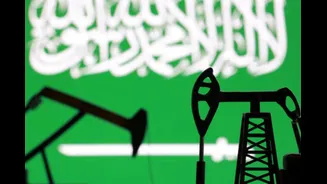
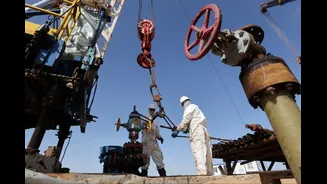
The latest figures indicate that the energy sector remained the biggest drag on growth. Economic output from oil-related activities dropped 24.7 per cent during the quarter, reversing the modest growth recorded at the start of the year, according to a report by Bloomberg.
Regional Conflict Continues To Pressure Economy
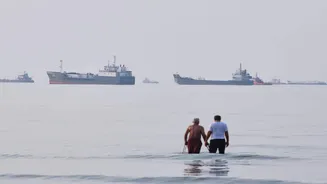
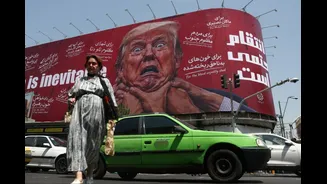
Economists say the prolonged military conflict involving the United States, Israel and Iran has disrupted trade routes and energy exports across the Gulf, creating fresh challenges for Saudi Arabia despite its strong oil infrastructure.
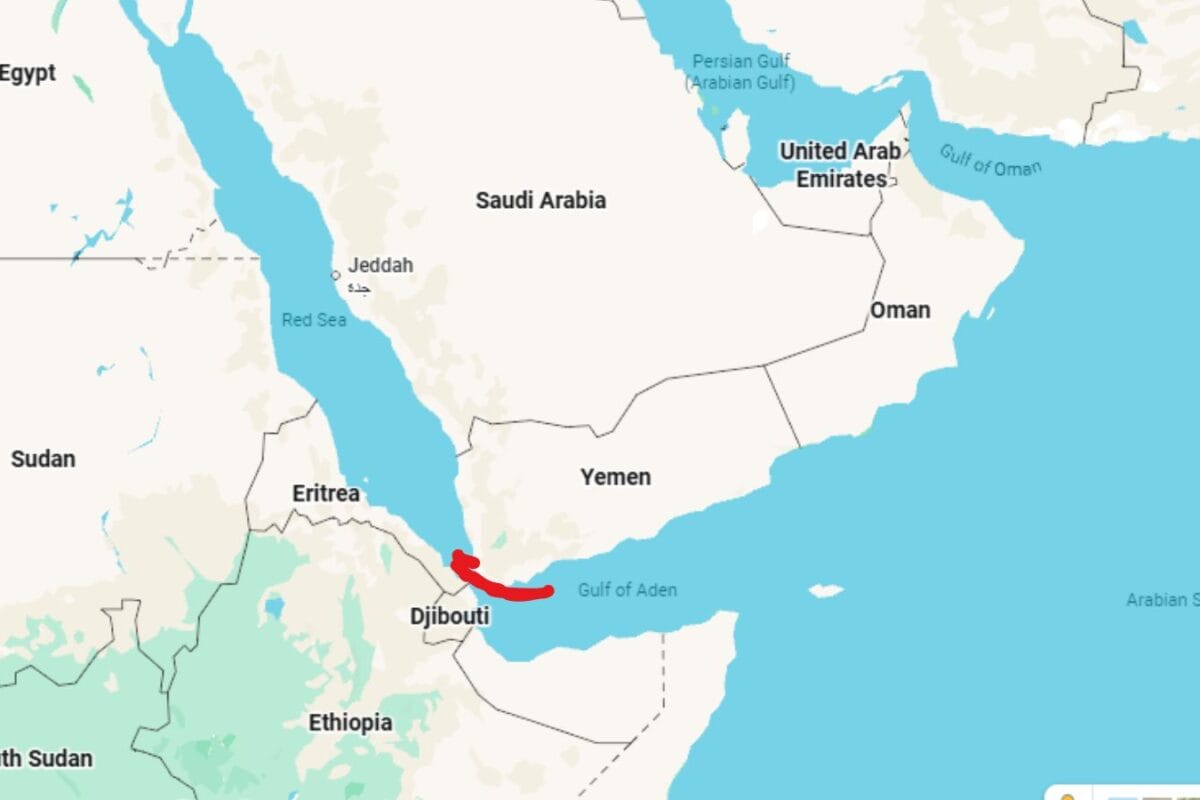
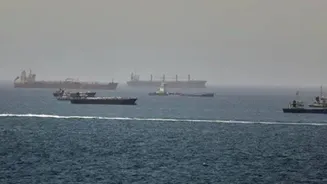
Iran and groups aligned with Tehran have carried out attacks targeting US allies in the region, including Saudi energy facilities. At the same time, the disruption of shipping through the Strait of Hormuz forced Saudi Arabia to rely more heavily on its pipeline network connecting oil fields to Yanbu on the Red Sea. Even that export route has remained vulnerable because of attacks linked to Iran-backed Houthi rebels operating from Yemen.
Bloomberg Economics Chief Emerging Markets Economist Ziad Daoud said the conflict is placing pressure on both Saudi Arabia’s oil production and the wider economy. He said improvements in shipping through the Strait of Hormuz could support economic recovery, but warned that renewed military escalation or further attacks by Houthi rebels and Iraqi militias would increase downside risks.
Non-Oil Growth Also Slows
Saudi Arabia’s long-term strategy to reduce dependence on oil also lost momentum during the quarter.
Non-oil sectors expanded by only 0.6 per cent after growing 2.9 per cent in the previous quarter, suggesting that weaker business activity has spread beyond the energy industry. Although international crude prices climbed above 90 dollars per barrel, Saudi oil production has not yet returned to levels seen before the conflict intensified.
The kingdom also stepped up its own military response this week by carrying out strikes against Iran-backed militias in Iraq, reflecting the increasingly volatile regional security environment.
Economists Still Expect Positive Growth
Despite the disappointing quarterly data, analysts believe Saudi Arabia remains better positioned than several neighbouring Gulf economies.
Monica Malik, Chief Economist at Abu Dhabi Commercial Bank, expects Saudi Arabia and Oman to be the only Gulf countries to record economic growth this year. She forecasts Saudi Arabia’s economy to expand by 1 per cent in 2026, although this would be significantly lower than the 4.5 per cent growth estimated for 2025.
She said non-oil industries continue to show greater resilience than those in many neighbouring countries. However, she cautioned that any disruption to Saudi oil facilities or export infrastructure could worsen the economic outlook.
IMF Sees Long-Term Recovery
The International Monetary Fund (IMF) maintained a relatively positive outlook for Saudi Arabia despite the current slowdown. It said the country’s diversified logistics network, strong fiscal position and broader economic reforms have helped cushion the impact of the regional conflict.
The IMF expects shipping activity through the Strait of Hormuz to gradually recover, which should support economic growth. It projects Saudi Arabia’s economy to expand by 1.7 per cent in 2026 before accelerating to 5.5 per cent in the following year.
The organisation added that government investment, stronger consumer spending, major international events and the continued implementation of Vision 2030 reforms are expected to remain key drivers of growth over the medium term.