






Saudi Arabia has informed European oil refiners that they will receive no crude oil allocations next month, following the shutdown of the kingdom’s key East-West pipeline after it was attacked by drones,
according to Bloomberg.
The decision affects Saudi Aramco’s European customers that typically receive crude under long-term “term contracts”, which are designed to provide refiners with a regular monthly supply.
Saudi Crude Deliveries To Europe Halted
People familiar with the decision told Bloomberg that at least two European refining customers had been informed they would receive no Saudi crude next month. The decision applies to European buyers more broadly, the sources said, requesting anonymity because the information has not been made public.
Saudi Aramco had not immediately responded to a request for comment made outside normal working hours.
European refineries generally receive Saudi crude through Egypt’s Mediterranean port of Sidi Kerir. The port is connected to the Red Sea through a pipeline network, making the route important for Saudi crude deliveries to European markets.
East-West Pipeline Shutdown Disrupts Supply
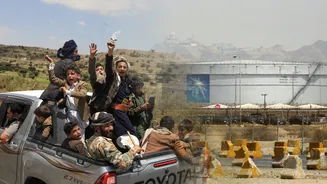
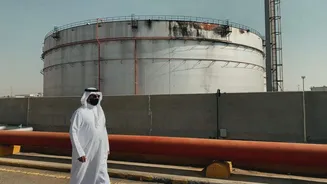
Saudi Arabia shut its East-West pipeline last week after it was targeted by drones. The pipeline is expected to partially resume operations within days and return to full capacity within about six weeks, according to a person familiar with the matter cited in the report.
The disruption has prompted some European refiners to seek alternative sources of crude. Poland’s Orlen SA has issued more than 10 tenders since Friday as it looks to secure replacement supplies.
Europe Imports 577,000 Barrels A Day
The scale of Saudi Arabia’s role in the European market highlights the significance of the disruption.
European countries belonging to the OECD imported around 577,000 barrels of Saudi crude per day in June, according to the International Energy Agency’s monthly Oil Market Report.
The suspension of regular Saudi allocations next month could therefore put additional pressure on European refiners as they look for alternative supplies while the pipeline remains disrupted.