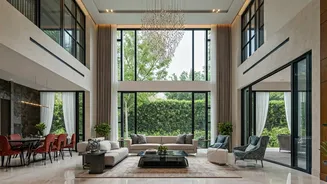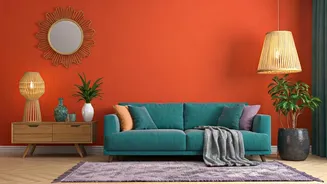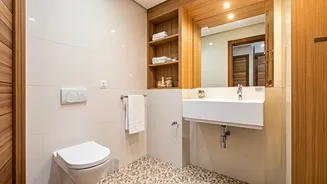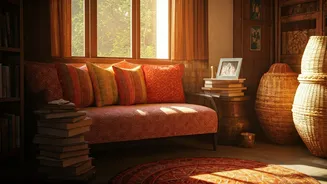






As we step into 2026, interior design is shedding its obsession with picture-perfect aesthetics and turning decisively toward people centric places. Homes, workplaces, and hospitality spaces are being
shaped less by what photographs well and more by what feels right to live in. Across the board, designers are embracing empathy, context, and sensory experience as the new foundations of great interiors.
“Spaces are now being designed to engage with people’s lives and emotions, focusing on interactions and experience over fleeting Instagrammable aesthetics,” says Giulia Baima Bollone, Director, Embassy Interiors. She describes 2026 as a moment where intuitive, emotionally resonant environments take centre stage.
From Visual Appeal to Experiential Design
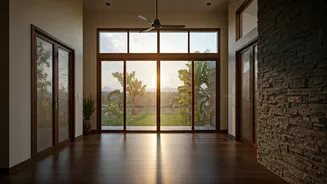
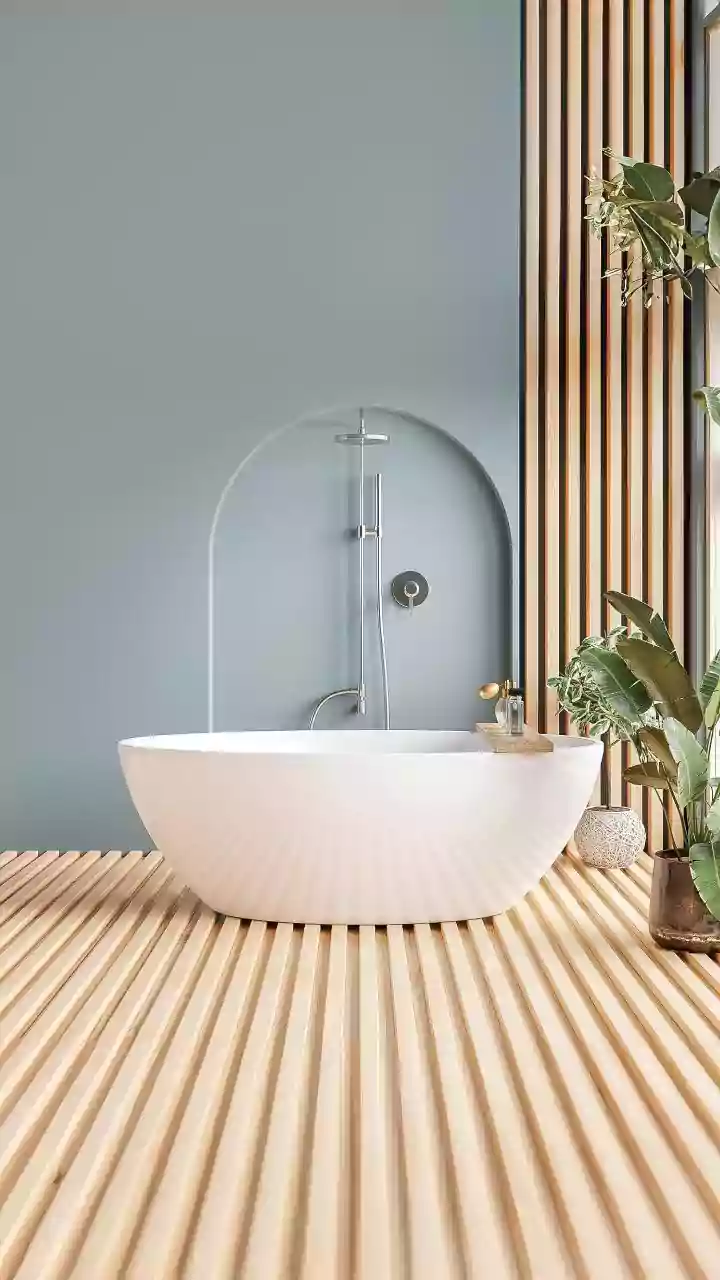
A defining direction this year is experiential design, the thoughtful layering of materials, textures, lighting, and acoustics to create warmth and connection. Warmer colour palettes, tactile surfaces, and natural materials are replacing overly curated finishes. The result is rooms that feel grounded, authentic, and easy to inhabit.
Echoing this, Amrita Phookun, Principal Leader, Design, Olive by Embassy, notes a global move away from rigid minimalism toward interiors that feel “lived-in, layered, and deeply human.” Nuanced whites and gentle neutrals act as light-enhancing backdrops, allowing craftsmanship and materiality to take focus over stark perfection.
Curved silhouettes, sculptural forms, layered lighting, and artisanal details come together to create sensorially rich spaces, interiors designed to be experienced, not just admired.
Context Is the New Trend
Another significant shift is context-driven design. Instead of blindly following global trends, interiors are increasingly influenced by local climate, culture, and personal lifestyles.
“Personalisation and flexibility are now design essentials, enabling spaces to evolve over time to meet changing needs,” says Bollone. This philosophy is especially relevant in India, where homes must adapt fluidly between work, rest, and social moments.
For Vaishali Shah, Design Lead, Home Storage, Interio by Godrej, this manifests as what she calls “new heritage.”
“This isn’t nostalgia,” Shah explains. “It’s about rediscovering essential materials and forms that offer lasting value.” Natural woods, stone, and tactile finishes are paired with contemporary detailing to create interiors that feel timeless yet relevant. Durability, adaptability, and long-term value now take precedence over frequent aesthetic updates.
The Softening of Minimalism
Minimalism hasn’t disappeared, it has softened. According to Harshita Nookula, Lead, Visual Merchandising, Livspace, homes are moving away from sharp visual statements toward spaces that support real life.
“The question is no longer how a room looks on screen, but how it feels to wake up in, work from, and unwind in,” she says.
Earthy tones, textured finishes, meaningful objects, and breathable layouts are replacing cold surfaces and empty corners. Daylight-driven planning and natural materials are being used deliberately to improve emotional wellbeing.
Technology That Disappears
Another subtle but powerful shift is the role of technology. Instead of being visible, it is becoming seamlessly integrated into the background.
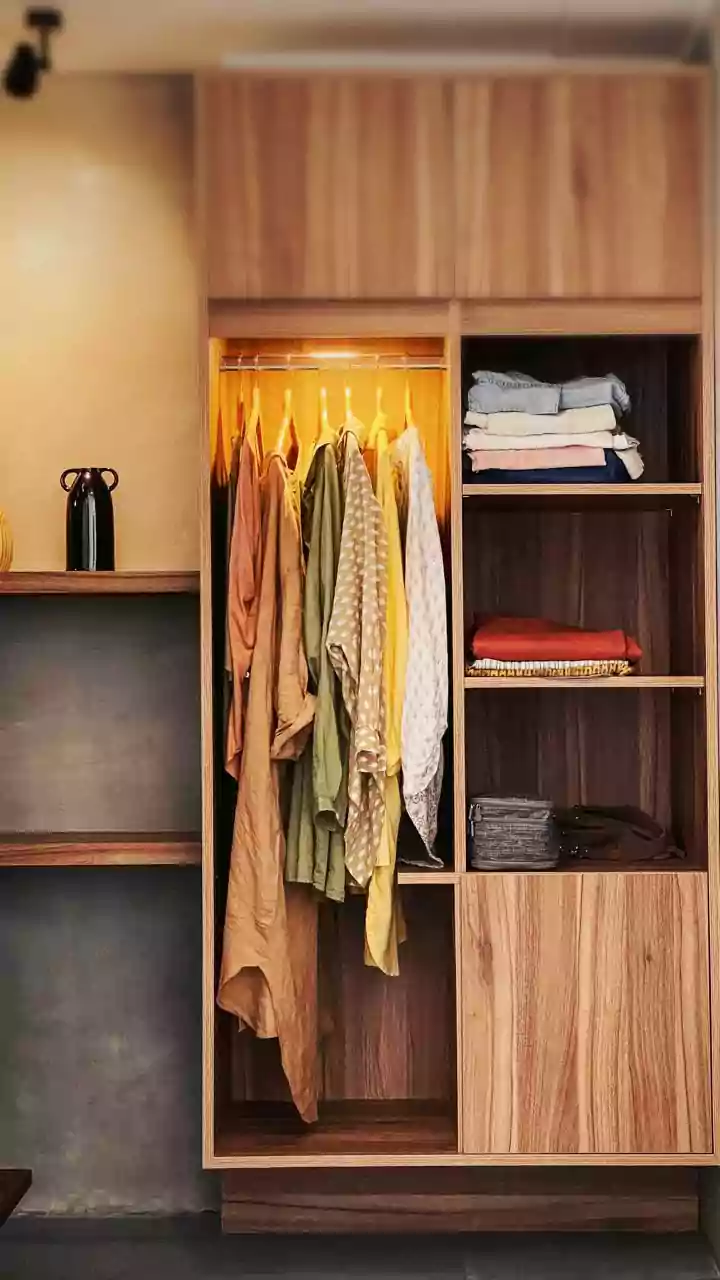
Nookula points out that lighting, climate control, and security systems will increasingly work quietly, enhancing comfort without demanding attention. Shah adds that tech-integrated furniture and storage solutions now support evolving routines across the day while maintaining visual calm.
Personalisation and Sustainability Take Priority
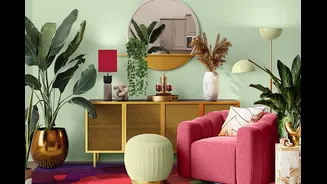
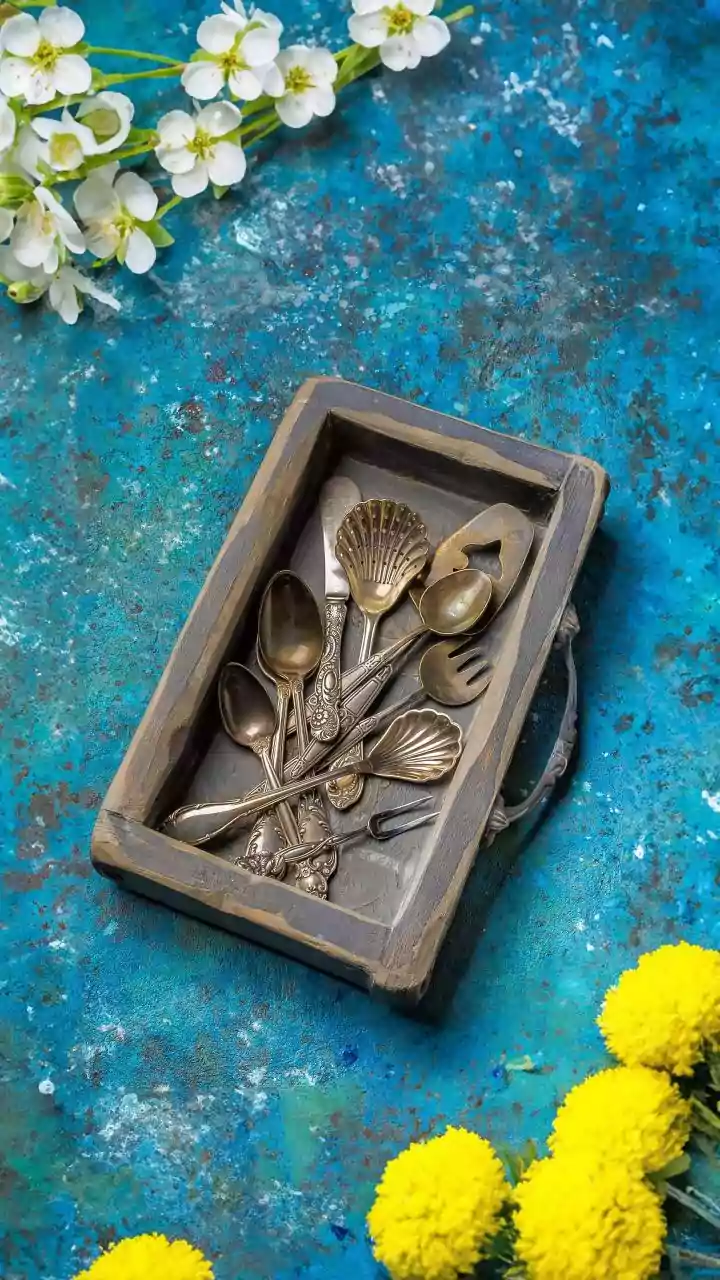
Across all perspectives, personalisation emerges as a defining thread for 2026. Collected objects, meaningful art, travel finds, and heirlooms replace uniform design language. Spaces begin to reflect identity and story rather than trend cycles.
Phookun emphasises that sustainability and thoughtful sourcing are no longer aspirational, they are foundational. Material choices are being guided by longevity and environmental responsibility as much as aesthetics.
Designing with Empathy
Ultimately, empathy is the common thread running through interior trends in 2026. “Understanding people is the first step in creating environments that gently improve their everyday lives,” says Bollone.
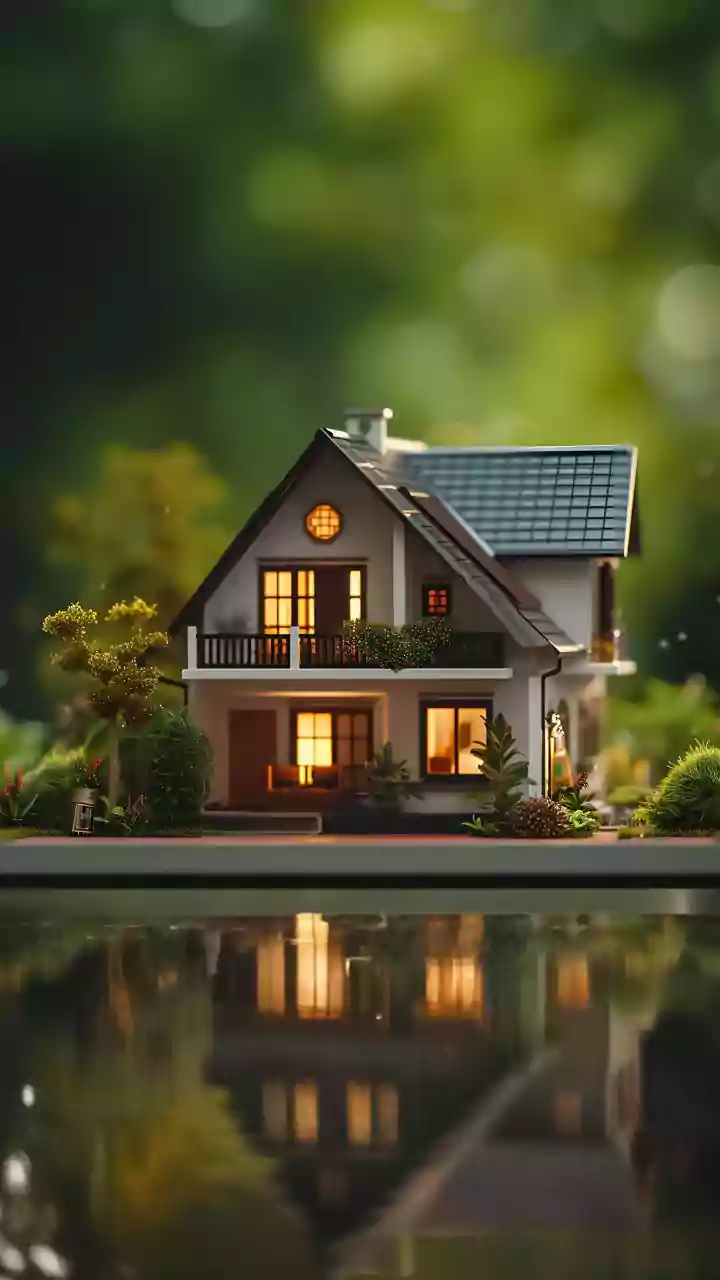
As design continues to evolve, the most successful interiors will not be those that shout for attention, but those that quietly support comfort, flexibility, and authentic human connection. In 2026, interior design is no longer about making a statement. It is about making life better, one thoughtfully designed space at a time.