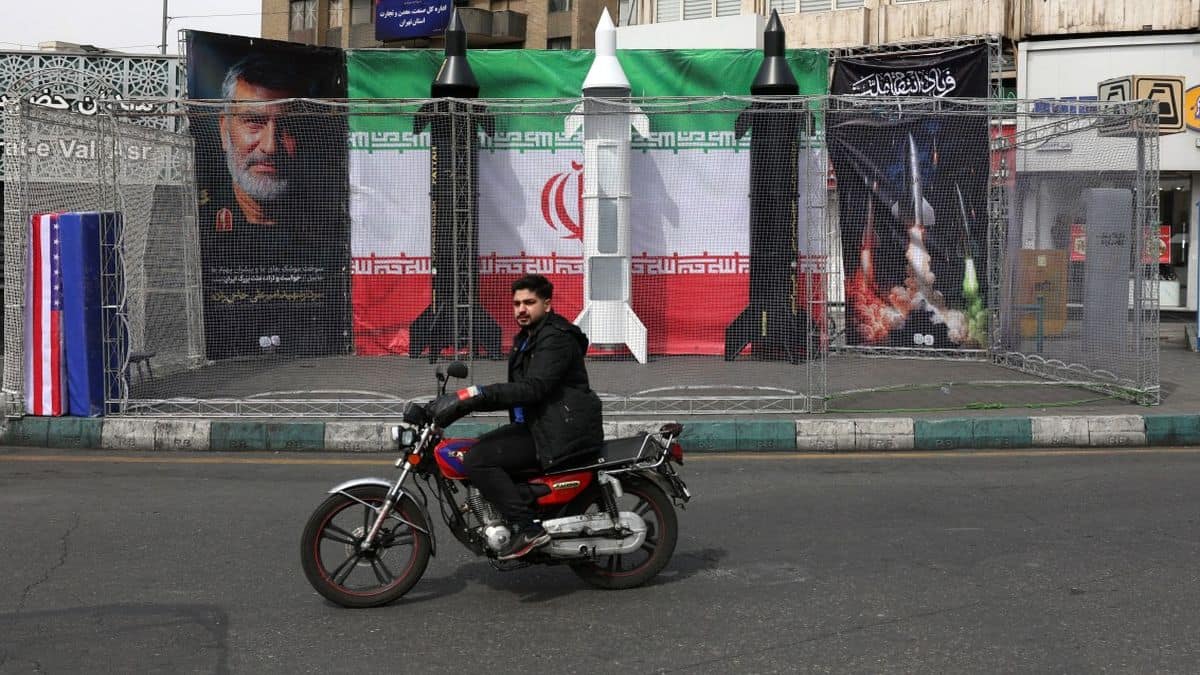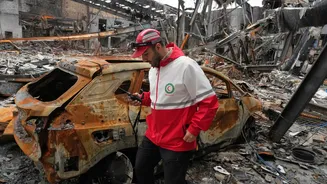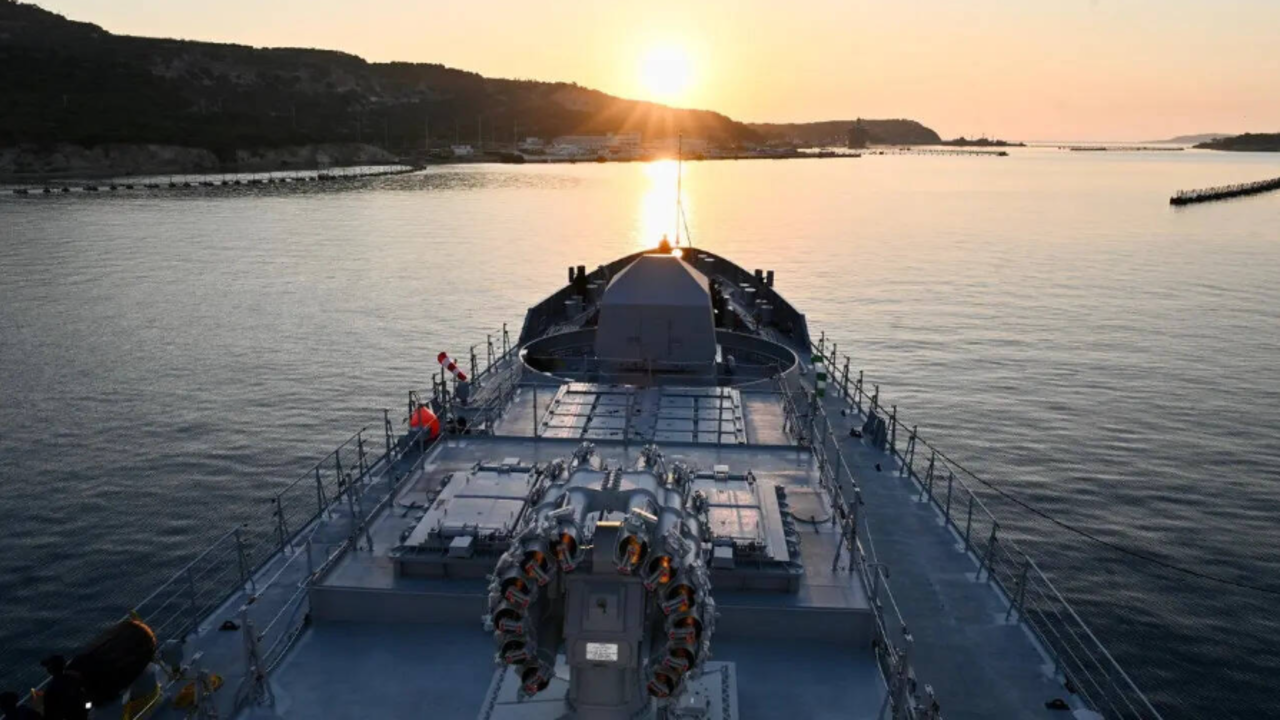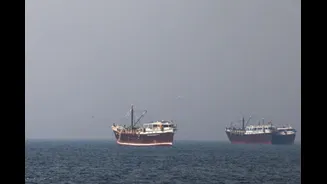






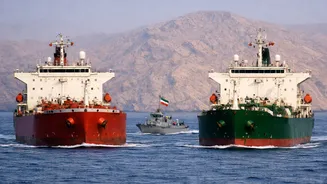
The impact of the West Asia crisis has affected the global energy supply. The Strait of Hormuz, a major sea link connecting the Persian Gulf with the Gulf of Oman and the Arabian Sea, is one of the most
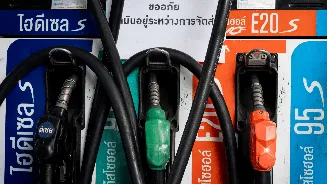
significant passages, allowing the transit of nearly 20 million barrels of oil daily. The aftermath of the war and the closure of this narrow sea passage have forced countries to take several steps, including increasing fuel prices and restructuring taxes, among others.
India
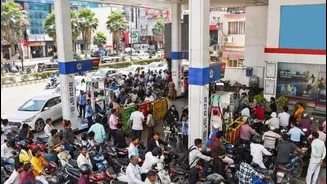
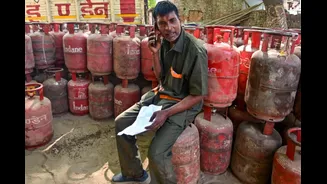
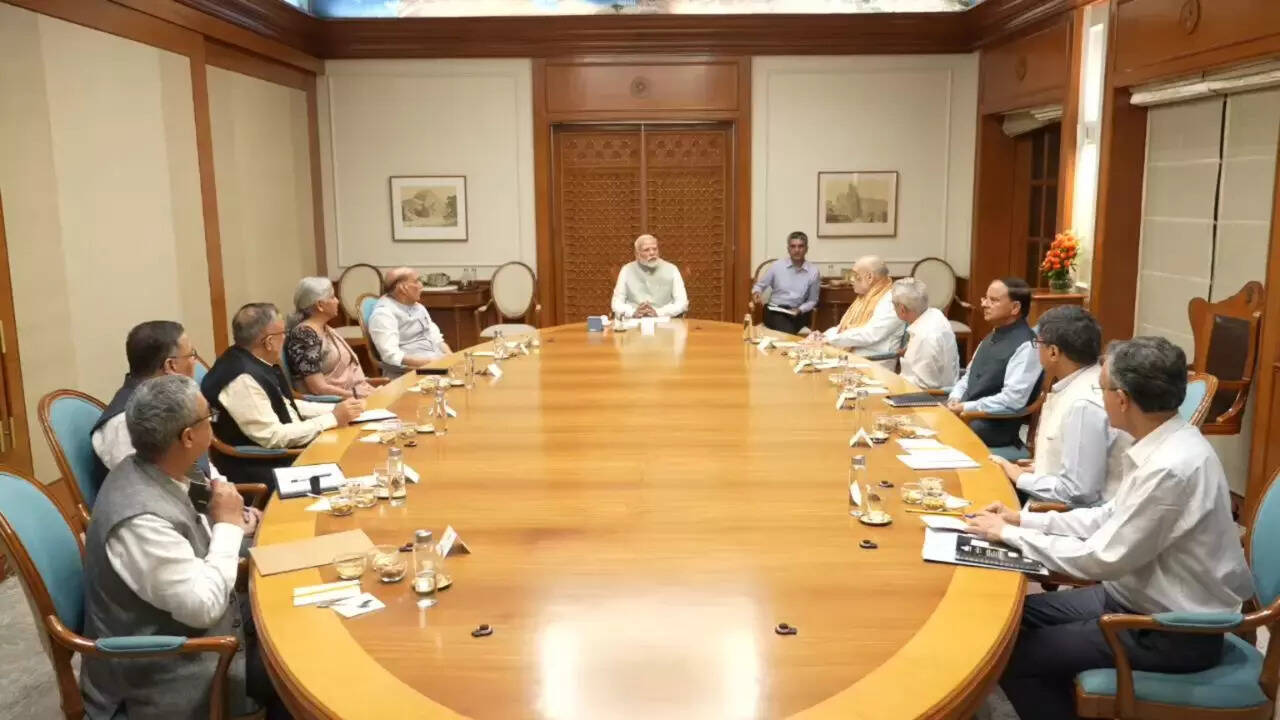
The government has taken fiscal measures in India to reduce the burden on consumers. Excise duty on petrol and diesel has been cut by Rs 10 per litre, even though it affects public revenue. Export duties on diesel and aviation fuel have also been introduced to secure domestic supply. Officials maintain there is no shortage of fuel or LPG and have dismissed reports of disruption as a “coordinated misinformation campaign.”
Pakistan
Pakistan has been trying to balance rising global prices with domestic stability. While the price of Kerosene have been increased, petrol and diesel prices remain same. The government is absorbing a large share of the cost to shield consumers. However, aviation fuel prices have surged sharply, pushing up airfares. Domestic ticket prices on major routes have risen significantly, with some fares increasing by as much as 150 percent.
Vietnam
In Vietnam, authorities moved quickly to control rising fuel costs. Environmental protection taxes on petrol, diesel and aviation fuel have been temporarily suspended until mid-April. Officials described the decision as “an urgent and effective solution to stabilize the petroleum market and ensure national energy security amidst the escalating conflict in the Strait of Hormuz, which is creating the ‘biggest energy bottleneck ever’.” As a result, petrol prices have dropped by around 26 percent, while diesel has fallen by over 15 percent after earlier increases.
Egypt
Egypt has opted for strict energy-saving measures. Shops, cafes and restaurants must now close by 9 pm, while street lighting has been reduced. Prime Minister Mostafa Madbouly said fuel spending has more than doubled, forcing “exceptional measures” to manage demand.
Sri Lanka
Sri Lanka is also tightening controls. A QR-based fuel rationing system has been reintroduced, limiting weekly consumption for vehicles. Prices have increased by about one-third since the conflict began. Authorities have also declared Wednesdays as no-work days to cut fuel use. At the same time, shortages of fertiliser are raising concerns about food prices, which could increase by up to 15 percent.
Venezuela
Venezuela is dealing with a different but related pressure. Prolonged heat has strained its electricity system, forcing the government to cut activity. Interim president Delcy Rodriguez announced a week-long closure of the public sector, including schools, to save energy. “During this Holy Week, I want to announce that I have decreed days off on Monday, Tuesday, Wednesday, Thursday and Friday for the entire education sector,” she said, noting the country had experienced “45 days of high temperatures.”
As the situation in the Strait of Hormuz remains uncertain, countries continue to adjust policies to deal with rising energy costs and supply challenges.