
West Bengal Chief Minister Mamata Banerjee announced the state’s mini cinema policy on Thursday, December 18, at the Business & Industry Conclave, 2025. The policy aims to revitalise the state’s film industry.
Speaking at the event, Mamata Banerjee said that Rs 1,000 crore will be invested for setting up an International Information Technology Entertainment and Cultural Park in Rajarghat.
“Today we introduced the Mini Cinema Policy to revitalise Bengal’s film industry. We have accepted actor Prosenjit Chatterjee’s suggestion. Instead of a big cinema hall, there should be small theatres where many people can be accommodated,” the TMC supremo said, as per The Times of India.
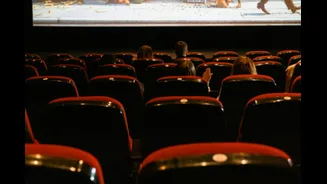
A mini cinema, as defined by the state government, is an air-conditioned auditorium that can seat approximately 50 people. It is used mostly for film screenings. The cinemas have an LED digital display board, with a projection system connected to a server and desktop computer, operated by at least one person while the screening is underway.
What Is The West Bengal Mini Cinema Policy?
The West Bengal Mini Cinema Policy focuses on small 50-seater theatres. It focuses on boosting the local film industry. The compact, air-conditioned structures are designed for both rural and suburban areas. The move is expected to enhance movie access and support the regional film sector.
How Does The Policy Work?
Under the policy, the seating will be limited to 50 people per mini cinema. A unique state effort to rejuvenate regional cinema, the policy will utilise underused small halls as modern screening venues equipped with computer-operated projection systems and LED digital displays. The initiative aims to respond to the increasing demand for intimate group viewings.
What Are The Key Features Of These Mini Cinemas?
These mini cinemas will have air-conditioned setups with LED screens. The screens will be positioned at a maximum of 45° from the first row and a minimum of 25° from the last row to let viewers enjoy optimal viewing angles. Operators of the mini theatres must be computer-literate. The venues must have a range of measures, such as building fitness certificates, fire safety systems and permissions from district magistrates or police commissioners. It will take four weeks to finish the licensing process. Operators can set their own ticket prices.
Who Can Apply To Open A Mini Cinema?
Anyone can apply, subject to whether they meet the infrastructure and regulatory standards. New investors and owners of existing small halls and community spaces are also eligible. Applicants must own or control venues that are suitable for 50-seater setups. They have to comply with safety, operational and technical requirements stated under the policy.
What Is The Application Process?
Applications, including all necessary compliance documents, must be submitted to the police commissioner (for urban areas) or the district magistrate (for rural areas). Licensing authorities will review applications and approve them within four weeks. Once the go-ahead has been given, operators can set ticket prices and start screenings.
What Are The Advantages Of The Mini Cinema Policy?
The policy is expected to enhance viewing experiences for small groups as well as support the local film industry and businesses. It converts underused small halls into profitable venues. The focus on Bengali films aims to support independent filmmakers. The initiative will create jobs and stimulate local commerce, especially in rural and suburban areas.
What Economic Impact Will The Policy Have?
The policy will turn idle auditoriums into revenue-generating entertainment hubs, boosting economic activity in areas that lack multiplexes. The move aligns with broader investments such as the Rs 1,000 crore IT entertainment park. The Mini Cinema Initiative will provide direct employment for roles like digital projection operators and maintenance staff. Apart from that, indirect employment will also grow through increased film production and distribution.
How Will Local Businesses Benefit?
Retail shops, hospitality services and food and beverage vendors stand to gain from the scheme via increased footfall. Street food stalls, snack shops and cafes will benefit from moviegoers. Nearby stores selling film-related merchandise might witness an uptick in traffic. Guesthouses, tea stalls, and local eateries are also expected to benefit from the policy.