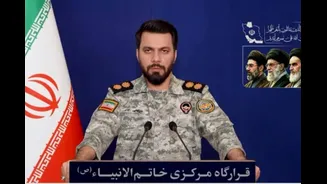






The spokesperson of the Islamic Revolutionary Guard Corps (IRGC)’s Khatam al-Anbiya Central Headquarters warned the United States against presenting developments in the ongoing conflict as a diplomatic
breakthrough, stating, “Do not call your defeat an agreement.”
He added that Washington would not be able to restore its previous strategic and economic standing in the region, saying, “There will be no sign of your investments in the region, nor will you see previous energy and oil prices again.”
The remarks come at a time of continued hostilities and heightened rhetoric between Iran, the United States and Israel, with both military escalation and reports of possible diplomatic backchannels shaping the regional landscape.
CALL FOR MUSLIM UNITY AGAINST US, ISRAEL
The IRGC spokesperson urged regional countries to unite against what he described as the “American, Zionist Regime.”
He questioned Washington’s reliability as a security partner, stating, “We don’t need a far-off state that prioritises Israel and treats you like cattle.”
Raising doubts about US security commitments in the region, he also asked, “Will Americans even fire one bullet in your defence?”
The comments reflect Tehran’s broader messaging aimed at regional governments, positioning the confrontation as a wider geopolitical struggle and calling for solidarity among Muslim nations.
IRAN DENIES TALKS WITH WASHINGTON
The IRGC spokesperson’s remarks come as Iran has publicly denied claims of negotiations with the United States.
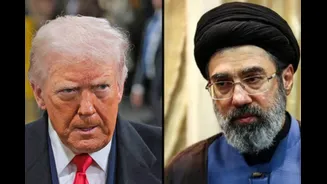
Donald Trump said Washington had held “very good and productive” conversations with Iranian officials aimed at achieving a “complete and total resolution of hostilities in the Middle East.”
Trump said he postponed a planned strike on Iran’s power grid for five days following what he described as progress in talks.
His comments triggered market reactions, with share prices rising and oil prices dropping below $100 a barrel after earlier volatility tied to threats of escalation, Reuters reported.
However, Iran’s parliament speaker Mohammad Baqer Qalibaf rejected the suggestion that talks had taken place, writing on X that “No negotiations have been held with the US, and fake news is used to manipulate the financial and oil markets and escape the quagmire in which the US and Israel are trapped.”
Reuters reported that while direct negotiations had not been confirmed, intermediaries, including Egypt, Pakistan and Gulf states, were relaying messages between the two sides.
A Pakistani official and another source told Reuters that potential direct talks aimed at ending the war could take place in Islamabad as early as this week.
IRGC CONTINUES MILITARY OPERATIONS
Iran’s Revolutionary Guards said they had launched fresh attacks on US targets, describing Trump’s statements as “psychological operations” that had no impact on Tehran’s military strategy.
The IRGC said it targeted several Israeli cities, including Dimona and Tel Aviv, as well as US bases, characterising its actions as part of an ongoing response to what it described as aggression.
Israel’s military said it detected missiles launched from Iran on Monday night, with at least one interception blast heard from Jerusalem.
Israeli Prime Minister Benjamin Netanyahu said he had spoken with Trump and indicated that Israel would continue attacks in Lebanon and Iran, while also suggesting the possibility of leveraging military gains in pursuit of a deal that would preserve Israel’s interests.
STRAIT OF HORMUZ REMAINS FLASHPOINT
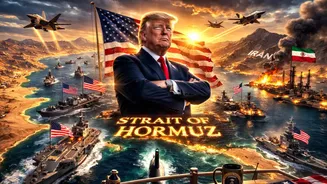
Reuters reported that Iran has effectively closed the Strait of Hormuz, through which roughly a fifth of global oil and liquefied natural gas supplies pass.
Trump has demanded that the waterway be reopened, but Tehran has said it will not do so until the United States and Israel halt their attacks.
Iran’s Foreign Minister Abbas Araqchi discussed developments related to the Strait of Hormuz with Oman’s foreign minister, with both sides agreeing to continue consultations.
Iranian media also reported that President Masoud Pezeshkian spoke with Pakistani Prime Minister Shehbaz Sharif about the war’s implications for regional and global security, stating that Iran was committed to stability while opposing foreign interference in regional affairs.
DIPLOMATIC SIGNALS AMID CONTINUED CONFLICT
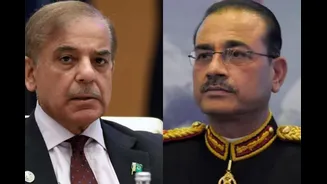
Reuters reported that US Vice President JD Vance, special envoy Steve Witkoff and Jared Kushner could meet Iranian officials in Islamabad following a call between Trump and Pakistan’s army chief Asim Munir, although the White House described the situation as fluid and sensitive.
The war launched by the United States and Israel on February 28 has killed more than 2,000 people, according to Reuters, underscoring the high stakes surrounding both continued military escalation and potential diplomatic efforts.