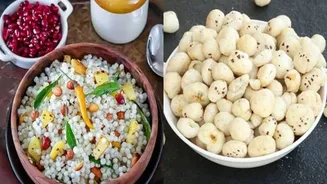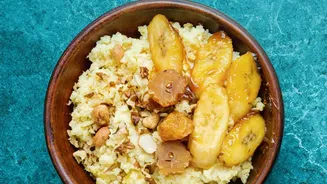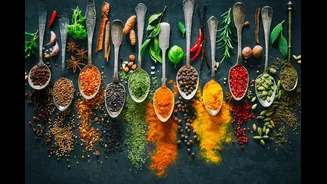




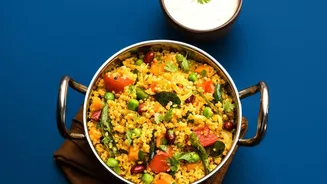

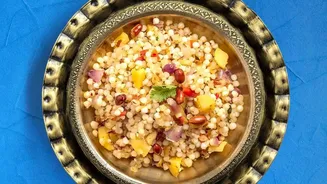
Fasting during Navratri may call for a pared-back pantry, but that does not mean your food has to be short on flavour. A bowl of sabudana khichdi needs little more than a fragrant cumin tempering, while
a plate of vrat wale aloo can go from ordinary to memorable with a generous crack of black pepper and a sprinkling of sendha namak.
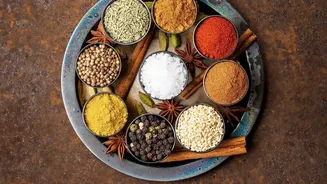
The trick lies in knowing which ingredients make the cut. Across India, Navratri fasting traditions dictate what devotees can eat, right down to the spices that go into their food. While some households swear by cumin, black pepper and rock salt, others steer clear of ingredients routinely found in everyday Indian cooking, including turmeric, mustard seeds and hing.
There is, however, no single rulebook followed by every household. Customs vary by region, family and personal observance, making it worth checking the traditions you follow before reaching for your spice box.
As Sharad Navratri 2026 continues from October 11 to October 19, with Vijayadashami on October 20, here is a closer look at the seasonings commonly welcomed into vrat kitchens and those that may be best left on the shelf.
Navratri 2026: Spices To Add To Your Vrat Meals
1. Jeera
Few spices earn their place in a fasting kitchen quite like jeera. Its warm, earthy notes lend themselves beautifully to the restrained flavours of vrat cooking, adding depth without overwhelming a dish.
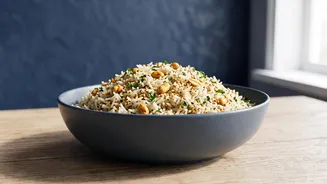
Let cumin seeds crackle in a little ghee before tossing in soaked sabudana, roasted peanuts and boiled potatoes for a fragrant khichdi. A pinch of roasted jeera powder also brings a welcome savoury edge to a bowl of curd or a simple potato preparation.
2. Black Pepper
When red chilli powder is off the menu, black pepper steps in with a sharper, more aromatic kind of heat. Freshly crushed peppercorns bring a gentle bite to vrat-friendly potato dishes, cucumber raita and fruit chaat without masking their natural flavours.
For a simple preparation, toss boiled potatoes with sendha namak, a squeeze of lemon and freshly cracked black pepper.
3. Sendha Namak
Rock salt, or sendha namak, is a fixture in many Navratri fasting kitchens, where regular table salt is traditionally avoided. Its clean, mineral character works across both savoury and sweet-and-sour preparations, from sabudana khichdi and kuttu parathas to fruit chaat.
Keep in mind, though, that sendha namak is still a source of sodium. Those who have been advised to limit their salt intake should follow their healthcare provider’s guidance, even while fasting.
4. Green Cardamom
Sweet dishes often take centre stage during festive fasting, and green cardamom lends them an unmistakable aromatic lift. Its delicate, floral fragrance pairs particularly well with milk, nuts and makhana.
Crush a pod or two into makhana kheer, or add a little cardamom powder to a vrat-friendly halwa. Used sparingly, it lends warmth and fragrance without making a dessert cloyingly sweet.
5. Cinnamon
Cinnamon brings a woody sweetness to festive cooking, making it a useful addition to milk-based preparations, desserts and certain beverages. A small piece simmered in milk can lend a gentle fragrance, while a light dusting of cinnamon powder can add complexity to a sweet dish.
It is a subtle seasoning, best used to complement the other ingredients rather than dominate them.
6. Ajwain
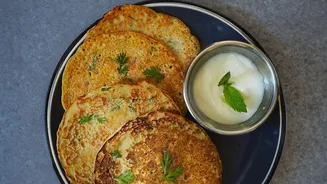
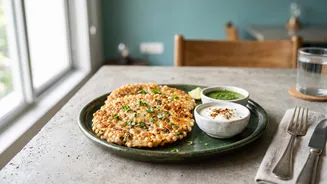
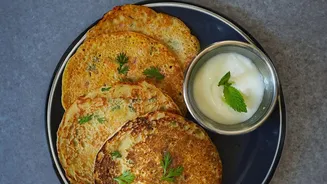
With its pungent, thyme-like aroma, ajwain can lend character to savoury vrat preparations, particularly certain flour-based flatbreads and snacks. It is used in some fasting traditions, though not universally.
Navratri 2026: Spices To Avoid During Vrat
1. Hing
Hing is a mainstay of Indian tempering, bringing a pungent, savoury depth to dals, vegetables and curries. Yet it is commonly excluded from many Navratri fasting preparations.
There is another reason to read the label before using it: commercial hing powders may contain wheat flour or other additives. If your vrat tradition excludes hing, skip it rather than assuming that a packaged version is suitable.
2. Rai
Mustard seeds lend a nutty pungency to everyday Indian cooking, particularly in regional temperings and pickles. During many Navratri fasts, however, rai is left out.
For a vrat-friendly tempering, cumin seeds can provide the aromatic base for dishes such as sabudana khichdi and jeera aloo, provided they are permitted under your fasting rules.
3. Methi Dana
Methi dana is prized for its distinctive bitterness and depth, especially in pickles, spice blends and certain vegetable preparations. It is commonly avoided in many vrat kitchens.
If your fasting tradition excludes fenugreek seeds, leave them out of your seasoning mix.
4. Haldi
Turmeric may be one of the most familiar ingredients in an Indian kitchen, but it is not used in every Navratri fasting tradition. Some households leave it out of vrat preparations altogether.
Before adding that familiar pinch to your potato curry or vegetable dish, check the rules you follow. Turmeric is not universally prohibited, so it is better to distinguish household custom from a blanket fasting rule.
5. Red Chilli Powder
Red chilli powder can lend colour and a lingering heat to everyday Indian dishes, but many vrat recipes leave it out. Black pepper is often used instead, providing a more direct, aromatic sharpness.
Fresh green chillies are permitted in some households and avoided in others. Let your family’s fasting practice guide the choice rather than assuming that every form of chilli is automatically allowed or prohibited.
Navratri fasting is as much about personal observance as it is about the food on the plate. What is permitted in one household may be avoided in another, which is why broad ingredient lists should be treated as a guide rather than a universal rulebook.
A well-made vrat meal does not need a crowded spice rack. Sometimes, a little cumin, a crack of pepper and the right pinch of salt are all it takes to bring a dish together.