








US-Iran War: Global oil prices surged more than 3 per cent after Iran broadened its military campaign to include strikes on Gulf states following fresh US attacks, reigniting concerns over potential disruptions
to energy supplies through the Strait of Hormuz and injecting fresh uncertainty into global markets.
Brent crude futures for September delivery climbed $2.46, or 3.24 per cent, to $78.47 a barrel in early trading, while US West Texas Intermediate (WTI) crude futures for August delivery rose $2.36, or 3.30 per cent, to $73.77 a barrel.
Read more: One Killed, Two Injured After US Launches Fresh Strikes On Iran As West Asia Conflict Escalates
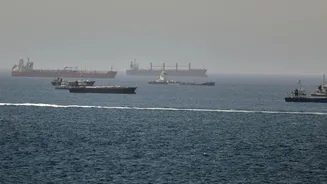
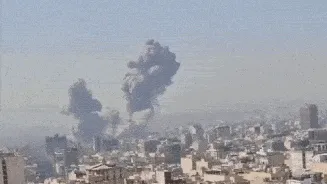
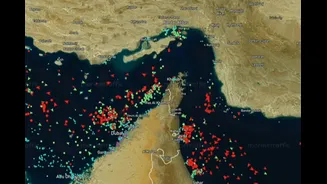
The gains came after Tehran expanded its military response over the weekend, launching attacks on Qatar and the United Arab Emirates after the United States carried out another round of strikes on Iranian targets. The escalation heightened fears that the conflict could disrupt oil exports from the Gulf region and threaten commercial shipping through the Strait of Hormuz, one of the world’s most critical energy transit routes.
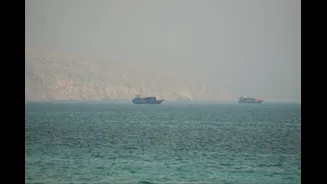
The Strait of Hormuz handles about one-fifth of global oil consumption and serves as a vital corridor for crude oil and liquefied natural gas exports from major Gulf producers. Any disruption to traffic through the waterway is closely watched by energy markets because of its potential impact on global supply.
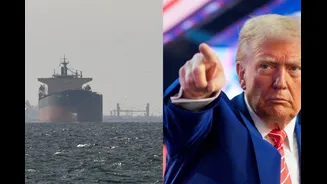
This comes as US President Donald Trump said commercial shipping continued to move through the strait. Iran, however, had earlier claimed it had closed the waterway after alleging that a vessel travelled on an unauthorised route and was subsequently struck.
Concerns over maritime security were reinforced by ship-tracking data from Kpler, which showed that only six vessels transited the Strait of Hormuz on Sunday, marking the lowest daily traffic level in five weeks. The sharp decline has intensified worries that prolonged hostilities could lead to significant disruptions in global energy flows.
Follow LIVE Updates on US-Iran War here
The renewed conflict has also raised questions about the future of an interim agreement reached between Washington and Tehran last month. The deal was intended to facilitate the reopening of the Strait of Hormuz and create a pathway for broader peace negotiations during a 60-day period.
Although the agreement had contributed to a recovery in oil production, supply levels remain well below those recorded before the outbreak of hostilities. According to the International Energy Agency’s monthly report released on Friday, global oil supply rose by 4.1 million barrels per day in June but remained 9.4 million barrels per day below pre-conflict levels.