





In today’s fast-paced world, minimalism is becoming increasingly important for achieving a calm mind and mindful living. Minimalism does not mean owning nothing; rather, it means keeping only the things
that truly matter. It encourages choosing quality over quantity and making thoughtful, intentional decisions instead of impulsive ones.
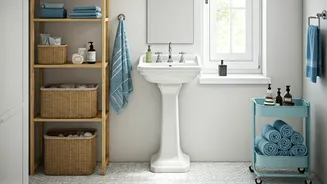
With rising stress levels, smaller living spaces, and the constant temptation of online shopping, minimalism helps restore balance. It allows people to save money, maintain clutter-free spaces, and focus on what truly matters: family, health, and peace of mind. More than a style or home decor trend, minimalism is a mindset rooted in mindfulness and awareness.
Here are five things minimalists usually avoid buying for their homes, and why you may want to rethink them, too.
1. Decorative Items With No Use
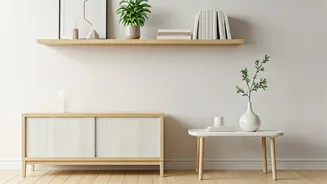
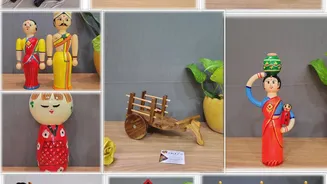
Minimalists believe that every item should serve a purpose. Decorative pieces that lack emotional or functional value are often avoided. While seasonal trinkets or random word-art décor may look appealing at first, they often end up collecting dust. Instead, minimalists prefer meaningful objects such as real plants, family heirlooms, or artwork that carries a story.
2. Single-Use Or Specialised Gadgets
Items like apple slicers, egg boilers, or other single-use kitchen tools are avoided. Minimalists see them as clutter traps. They invest in versatile, high-quality items such as good knives or durable cookware that can be used daily.
3. Books And Media Without Purpose
While books are valuable, minimalists do not buy them just for display. They purchase books only if they truly plan to read them. Many prefer borrowing books, using libraries or switching to e-readers to reduce physical clutter.
4. Impulsive Purchases
Minimalists avoid buying items just because they are on sale. Discounts and deals do not influence their choices. They pause before buying and ask if the item is truly needed or meaningful.
5. Excess Mugs And Throw Pillows
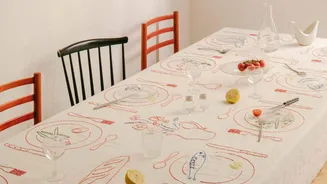
Too many mugs, cushions, or seasonal decor items often create hidden clutter. Minimalists keep only a small number of favourites that are used regularly, opting for neutral, practical choices that stand the test of time. Living with less is not about sacrifice; it is about creating space for what truly matters. Minimalism shows that having fewer things can actually make life feel more complete, calmer, and more intentional.