







If you thought the global impact of the Iran war would be limited to oil prices, think again. As energy markets reel, a more dangerous and less visible crisis is taking shape that could push millions more into
hunger in the coming months.
According to Reuters, the World Food Programme estimates that up to 45 million people could fall into acute hunger by June if current trends continue, highlighting the scale of the looming food insecurity crisis.
The conflict is affecting food systems in different yet interconnected ways, according to Al Jazeera. Unlike previous food crises, which were normally driven by weather conditions or conflict, the latest is driven by systemic shocks, including disruptions in energy, fertilizers, risks on trade routes, and increasing freight costs.
Fuel Shock
One of the clearest links is energy.
ALSO READ | Iran Strikes Qatar’s Ras Laffan LNG Hub: Should India Brace For A Gas Shock?
Modern agriculture is heavily dependent on fuel—for irrigation, transport, and machinery. The increasing oil prices mean that the cost of farming and food distribution is increasing as well.
Bloomberg reports that fuel shortages have already begun to disrupt food supplies, especially in import-dependent countries.
Fertiliser: The Hidden Pressure Point
A major concern flagged by The Guardian is fertiliser.
Fertiliser manufacturing is heavily dependent on natural gas, a significant portion of which originates from or flows through the affected area.
According to The Guardian, leaders in the industry have warned that this may cause a drop in crop yields in the coming planting seasons, which will eventually lay the ground for a food crisis in the coming months.
The Economist adds that this kind of shock doesn’t show up immediately—but once it does, it can be severe and prolonged.
Trade Chokepoints Under Threat
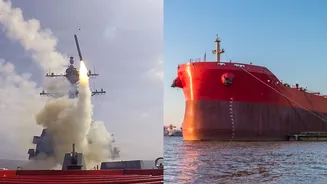
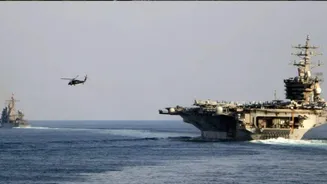
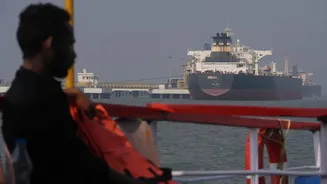
The other big risk is the Strait of Hormuz. Any disruption of the vital shipping route has far-reaching consequences, not just for oil, but also for the flow of foodstuffs and agricultural products.
According to the Council on Foreign Relations, the flow of vital commodities, including grains and fertilizers, relies on the stability of maritime routes. Any disruption, however partial, has the potential of causing supply bottlenecks.
Water And Agriculture Risks
Besides immediate supply chains, the war may also affect existing vulnerabilities in a more structural sense.
An analysis by The Atlantic points out that the conflict threatens water and agricultural systems in an already fragile region. Damage to infrastructure and prolonged instability could reduce food production capacity over time.
According to Moneycontrol, developing economies may be hit harder due to the crisis as a higher proportion of their expenditure will be on food.
For experts, the danger lies in how multiple risks are converging—high fuel costs, fertiliser shortages, supply chain disruptions, and conflict-driven uncertainty. The Economist reports that these overlapping shocks could create a feedback loop, where rising costs reduce production, which in turn pushes prices even higher.