






The Democratic Party’s victory in the US Senate, with the battle for the House of Representatives still underway, could have significant implications for India-US relations, particularly on trade, tariffs,
immigration and defence cooperation.
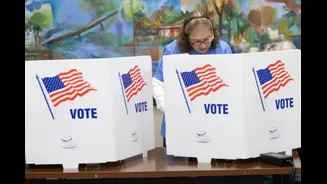
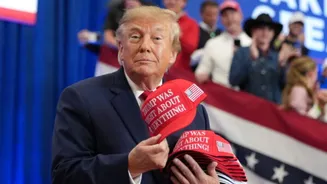
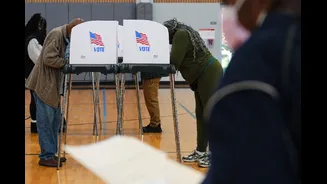
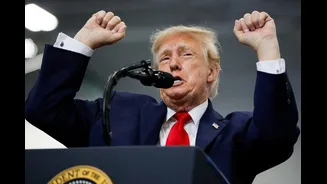
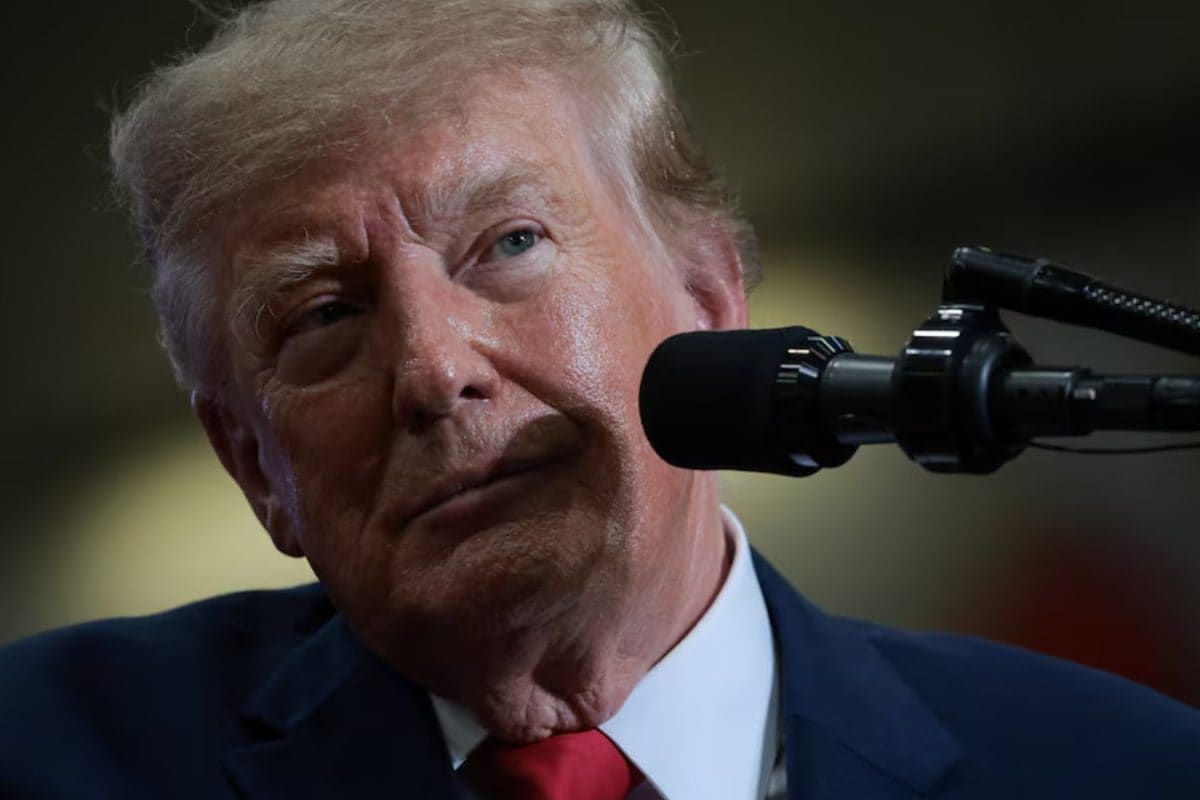
The results mark a major setback for President Donald Trump, whose Republican Party has lost control of the Senate in the midterm elections. Democrats are also closing in on a possible House victory, which would leave Trump facing a Congress increasingly willing to scrutinise his policies during the final two years of his presidency.
US Midterm Election Results 2026 Live: Catch The Latest From The US
For New Delhi, the change in Washington’s political balance matters because several contentious issues in the bilateral relationship—from tariffs on Indian goods and restrictions on skilled-worker visas to defence and technology partnerships—are influenced by both the administration and Congress.
ALSO READ | Impeachment Next For Trump? What Lies Ahead For POTUS As Democrats Take Senate And House
However, a Democratic victory in the Senate does not mean an immediate reversal of Trump’s policies. The President retains considerable executive powers, particularly over trade and foreign policy.
Trade And Tariffs: Will India Get Some Relief?
Trade is among the most immediate concerns for India. Trump’s tariff policies have created uncertainty for Indian exporters, with sectors such as textiles, pharmaceuticals, engineering goods and manufacturing exposed to changes in US duties.
India and the US had announced a framework for an interim trade agreement in February 2026, under which Washington indicated an 18 per cent reciprocal tariff rate for Indian-origin goods. However, negotiations on a broader bilateral trade agreement have faced hurdles.
ALSO READ | US Midterm Elections 2026: From First Black Woman Governor To Historic Senate Wins, The Many Firsts
A Democratic-controlled Senate could increase scrutiny of Trump’s trade strategy, including the use of tariffs as a diplomatic tool. Lawmakers could question the economic impact of the duties and examine how the administration is negotiating with trading partners.
But this does not guarantee lower tariffs for Indian exporters. Trump retains authority under existing laws to impose or modify tariffs, and any legislative attempt to restrict his powers would face political and procedural hurdles.
H-1B Visas: What Indian Professionals Should Watch
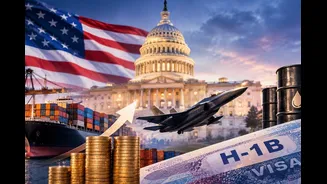
Immigration is another major concern, particularly for Indian professionals working in the US technology sector. Indian nationals account for a substantial share of H-1B visa approvals, making changes to the programme consequential for India’s IT industry and skilled workforce.
The Trump administration’s proposed $100,000 fee for new H-1B applications has faced legal challenges, with federal judges blocking its implementation in separate cases.
Democrats could use their new Senate majority to push for greater scrutiny of immigration restrictions and highlight the impact of visa policies on American companies that depend on skilled foreign workers.
However, a change in Senate control will not automatically make visa rules more favourable. Major changes to immigration law require congressional legislation, and the administration continues to exercise significant influence over how existing laws are implemented.
Defence And Technology: Will Strategic Cooperation Continue?
Defence and technology have emerged as important pillars of India-US relations. The two countries have expanded cooperation in military equipment, intelligence sharing, semiconductors, artificial intelligence and critical technologies.
Congress plays an important role in approving defence budgets, scrutinising arms sales and shaping legislation governing sensitive technology transfers.
With Democrats controlling the Senate, key committees could bring greater scrutiny to defence spending and the administration’s wider foreign policy priorities. The Senate also has a crucial role in confirming presidential nominees, including senior officials responsible for foreign policy and national security.
Nevertheless, strategic cooperation with India has traditionally enjoyed bipartisan support in Washington. A change in congressional control does not, by itself, signal a fundamental shift in America’s approach towards New Delhi.
What Does A Democratic Senate Mean For Trump?
The Senate victory gives Democrats control of a chamber that plays a central role in confirming presidential appointments, approving treaties and shaping legislation. It also gives them greater influence over committee leadership and congressional investigations.
If Democrats also win the House, they would have greater scope to investigate the administration, scrutinise government spending and challenge its policy decisions. A divided Congress, with Democrats controlling the Senate but Republicans retaining the House, would still limit the administration’s legislative room for manoeuvre.
Trump, meanwhile, would remain President until January 2029 and retain the power to veto legislation. Overriding a veto requires a two-thirds majority in both chambers.
For India, the immediate takeaway is that Washington’s political environment has changed. New Delhi will have to engage not just with the Trump administration but also with a Democratic-controlled Senate, while keeping an eye on the still-undecided House contest.