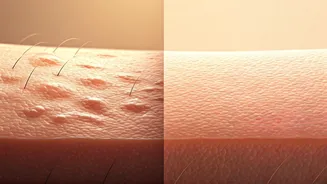








Clear, even-toned skin rarely comes from complicated skincare routines alone. More often, it is the result of small, consistent habits that protect the skin from everyday triggers like sun exposure, pollution,
stress and inflammation. Pigmentation and dark spots remain among the most common skincare concerns for women, particularly in urban environments where lifestyle and environmental factors constantly challenge the skin barrier.
From hormonal changes to UV exposure and post-acne marks, several factors can lead to uneven skin tone. Dermatologists say the key to managing pigmentation is not only treating it after it appears, but also preventing it through thoughtful skincare, sun protection and healthy lifestyle choices.
Why Pigmentation Happens
According to Dr. Tanushree Biswas, dermatologist at Kaya, pigmentation often develops due to a combination of lifestyle and environmental factors.
“Healthy, glowing skin blooms from consistent, mindful habits rather than elaborate routines that fizzle out. Pigmentation and dark spots top the list of concerns for so many women today, sparked by relentless sun exposure, hormonal shifts like those during pregnancy or PCOD, gritty urban pollution, everyday stress, and even well-meaning but misguided skincare tweaks that ramp up melanin production,” she explains.
Similarly, Dr. Priyanka Keshav, dermatologist at VLCC Group, notes that pigmentation often develops gradually and can be influenced by multiple factors. “Pigmentation and dark spots are common concerns that many women experience at different stages of life. These marks often develop gradually due to factors such as sun exposure, hormonal changes, inflammation, and environmental stressors,” she says.
Sunscreen: The Most Powerful Prevention Tool
Dermatologists agree that sun protection remains the single most important step in preventing pigmentation. “Start with sunscreen, your non-negotiable shield. UV rays, even sneaking through clouds or windows, ignite 80 per cent of pigmentation issues by overstimulating melanocytes,” says Dr Biswas.
She recommends using a broad-spectrum SPF 50+ sunscreen with PA++++ protection, ideally one that contains zinc for better compatibility with Indian skin tones. Reapplication every three to four hours when outdoors is equally important.
Dr Keshav adds that protective measures beyond sunscreen can also make a difference. Wearing wide-brimmed hats, sunglasses, or using umbrellas during peak sunlight hours can help limit UV exposure and reduce melanin stimulation.
Strengthening The Skin Barrier
Overdoing skincare can sometimes worsen pigmentation instead of preventing it. Dr Keshav explains that excessive exfoliation or harsh products can weaken the skin barrier and trigger irritation, which may later lead to dark spots. Instead, she recommends focusing on barrier-supporting ingredients such as ceramides, hyaluronic acid and calming botanical extracts.
Dr Biswas also suggests gentle cleansing and mindful exfoliation. “Cleanse gently twice daily with a pH-balanced, ceramide-rich formula to whisk away pollutants without stripping natural oils.” She advises exfoliating only twice a week using mild acids like mandelic or lactic acid rather than abrasive scrubs that can inflame the skin.
The Role Of Antioxidants And Hydration
A well-balanced skincare routine also benefits from antioxidant ingredients that help defend the skin against environmental damage. Dr Biswas recommends incorporating vitamin C and niacinamide into nighttime routines. Vitamin C helps brighten the complexion while blocking tyrosinase, the enzyme responsible for melanin production, while niacinamide can help reduce existing dark spots and calm pollution-induced irritation.
Hydration, both internal and external, also plays a key role. Drinking adequate water and using moisturisers containing hyaluronic acid can strengthen the skin barrier and improve resilience against environmental stressors.
Lifestyle Choices Matter Too
Dr Keshav explains that sleep, nutrition and stress management all influence hormonal balance and skin repair. Diets rich in vitamins, minerals and antioxidants can support the skin’s natural healing process and help minimise post-inflammatory pigmentation.
Avoiding habits such as picking pimples is equally important, as it can trigger post-inflammatory hyperpigmentation that takes longer to fade.
Preventing pigmentation is rarely about a single miracle product. Instead, it comes down to a balanced approach that combines sun protection, gentle skincare, antioxidant support and healthy lifestyle habits. By protecting the skin barrier and minimising triggers, it becomes far easier to maintain an even, radiant complexion over time.