







For many people, knee or hip pain doesn’t arrive dramatically – it creeps in slowly. First, stairs feel harder. Then sitting cross-legged becomes uncomfortable. Eventually, even a short walk feels like
a chore. Over time, pain quietly chips away at independence. Modern medicine has changed that story. Today’s joint treatments, from conventional replacements to robotic-assisted surgeries, promise smoother outcomes and quicker returns to daily life. But what most patients don’t realise is this: surgery is only the first step. The real transformation happens during recovery.
Precision Surgery, Personalised Healing
Joint replacement procedures work by replacing damaged surfaces with artificial implants, helping restore movement and reduce pain. Robotic arm-assisted techniques take this a step further, offering advanced imaging and greater accuracy.
“Robotic arm-assisted joint replacement uses advanced imaging and precision to assist the surgeon. With 3D planning software, we can personalise the treatment to a patient’s unique anatomy, which often results in quicker recovery,” explains Dr. D.P. Sharma, Director – Center for Hip Surgeries, Noida.
Specialised minimally invasive techniques, he adds, allow smaller incisions and less tissue disruption – meaning patients can get back on their feet faster and with fewer restrictions.
But even the most advanced technology can’t replace mindful rehabilitation.
The Lifestyle Factor Most People Overlook
“No matter which procedure you choose, recovery remains critical. Lifestyle choices significantly impact how effective the surgery will be,” says Dr. Sharma.
Think of surgery as resetting the joint – and lifestyle as protecting that reset. Skipping rehab sessions, ignoring nutrition or returning to inactivity can slow progress. On the other hand, small, consistent habits can dramatically improve outcomes.
Five Habits That Speed Up Healing
Commit To Physiotherapy – Structured physical therapy rebuilds strength, improves flexibility and retrains muscles to support the new joint. Regular sessions prevent stiffness and restore confidence in movement.
Eat For Repair – Healing bones and muscles need fuel. A diet rich in protein, calcium, vitamin D and anti-inflammatory foods, like leafy greens, nuts and fatty fish, supports tissue recovery and reduces swelling.
Choose Low-Impact Activity – Gentle movement improves blood flow without straining joints. Walking, swimming and cycling are ideal ways to stay active while protecting the implant.
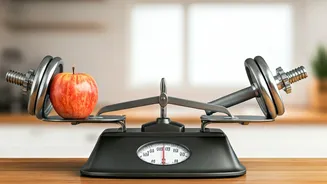
Manage Weight Wisely – Even a few extra kilos add pressure to recovering knees and hips. Gradual weight control reduces stress on the joint and improves long-term comfort.
Respect Rest – Recovery isn’t just about movement. Sleep allows the body to repair tissues and manage inflammation. Overexertion too soon can delay progress.
More Than Mobility — It’s Confidence
The biggest shift after joint treatment isn’t just physical. It’s emotional. Being able to walk without fear, travel comfortably or play with grandchildren brings back a sense of freedom many thought they’d lost. With the right surgery, guided rehab and conscious daily choices, movement doesn’t just return; it feels effortless again.
A healthy joint isn’t just repaired in the operating room. It’s rebuilt, step by step, at home.