







Luxury is often measured in metals that glint in shop windows or sit locked inside bank vaults. Silver, long regarded as the common person’s gold, has traditionally symbolised accessible wealth. Yet at a horticulture
fair in Karnataka, a rare Himalayan fungus is quietly rewriting that notion of value, commanding a price that makes precious metals seem modest.
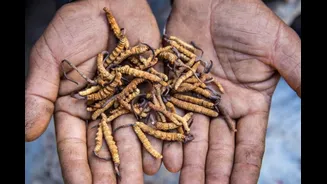
At the ongoing horticulture fair in Koppal, Karnataka, the spotlight has fallen on Yarsagumba, a rare medicinal fungus also known as Cordyceps. The specimen on display is priced at an extraordinary Rs 15 lakh per kilogram. The figure stands in stark contrast to today’s silver rate. On February 16, 2026, silver in Bengaluru and other major Indian cities is trading at around Rs 2.68 lakh per kilogram.
A Price Comparison That Turns Heads
The gap between the two commodities is striking.
| Commodity | Rate (Feb 16, 2026) | Comparison |
| Silver (1 kg) | ~Rs 2.68 lakh | Often called the common man’s gold |
| Yarsagumba (1 kg) | Rs 15 lakh | Rare medicinal fungus |
At current prices, Yarsagumba is more than 5.5 times costlier than silver. In practical terms, the price of one kilogram of this fungus could buy over 5 kilograms of pure silver.
Why Koppal Is Showcasing It
The Koppal Horticulture Department featured Yarsagumba at its five day fair to encourage farmers to think beyond conventional crops. By displaying a product valued higher than precious metals, officials hope to promote awareness of high value medicinal and specialty crops.
The strategy is rooted in recent success. After last year’s fair showcased the Miyazaki mango, priced at about Rs 2.5 lakh per kilogram, several farmers explored high value horticulture. The inclusion of Yarsagumba is intended to demonstrate the scale of economic opportunity in niche agricultural products.
The Rarity Behind the Price
Yarsagumba is found in the high altitude Himalayan regions, where it grows through a unique biological process involving a fungus parasitizing caterpillar larvae. Harvesting it is labour intensive and physically demanding, often carried out in extreme conditions.
Globally, the fungus is prized in traditional medicine and wellness markets. It is associated with benefits ranging from respiratory support to improved stamina and recovery from fatigue. This reputation, combined with limited supply and challenging collection methods, contributes to its extraordinary market value.
Biological Gold in a Modern Economy
Unlike silver, whose price is influenced by global markets, industrial demand and currency trends, Yarsagumba’s value is driven by rarity, medicinal demand and cultural significance. Its status as “biological gold” has made it one of the most expensive natural substances in the world.
By bringing such an example to a regional fair, horticulture officials are attempting to broaden perspectives on agricultural income possibilities. Whether farmers can cultivate or sustainably source such high value products remains a challenge, but the message is clear: in today’s market, value is no longer defined by metals alone.
From mountain slopes to a Karnataka exhibition stall, the journey of this rare fungus offers a glimpse into a changing agricultural economy where knowledge, niche demand and biodiversity intersect with opportunity.