






Solo travel in India is no longer a niche lifestyle choice, it is fast becoming a reflection of a deeper, more meaningful shift: financial independence. Increasingly, young Indians, especially women, are
stepping into a space where personal goals, financial discipline, and self-discovery intersect.
A Shift Driven by Financial Independence
At the heart of this trend is a growing sense of ownership, over money, decisions, and life choices. As Ramneek Singh Ghotra, Chief Growth Officer, Finvasia points out, this rise in solo travel among women signals a larger transformation. “Women today are making their own financial decisions, setting personal goals, and viewing travel as an essential part of self-growth and well-being, rather than a luxury,” he notes.
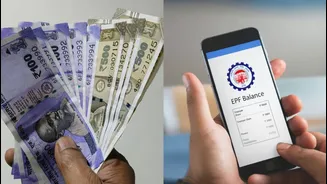
This shift is not accidental. Greater access to financial tools, digital investment platforms, and goal-based planning has enabled women to build structured savings habits. “There is a clear move towards disciplined financial behaviour, systematic saving, smarter budgeting, and goal-oriented investing which allows women to fund independent travel without compromising long-term financial security,” adds Ghotra.
From Spending to Investing in Experiences
What’s equally significant is how this financial confidence is reshaping spending patterns. Experiences are increasingly taking precedence over material consumption, with travel emerging as a key area where individuals are willing to invest both time and money.
This signals a broader lifestyle shift, one where value is derived not from ownership, but from meaningful, enriching experiences.
The Rise of the Intentional Solo Traveller
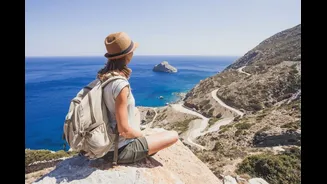
This behavioural shift is also visible on the ground. According to Pranav Dangi, Founder & CEO, Hosteller, the trend is no longer anecdotal, it’s measurable. “Solo travel is steadily emerging as a natural outcome of young Indians gaining financial independence and choosing to explore the world on their own terms,” he says.
At The Hosteller, nearly 35% of bookings between January and March came from solo travellers, underscoring how financial autonomy is directly influencing travel decisions.
But this isn’t just about numbers, it’s about intent. Today’s solo traveller is more discerning, seeking experiences that go beyond affordability. “There’s a clear demand for thoughtfully designed, community-driven spaces that offer safety, connection, and authentic cultural immersion,” explains Dangi.
Longer Stays, Deeper Experiences
Another notable evolution is the way people are travelling. Longer stays, flexible itineraries, and a preference for slower, more immersive journeys point to a shift in mindset. Travel is no longer seen as a break from routine, but as an extension of one’s identity and lifestyle.
A Trend Reshaping Industries
This convergence of financial empowerment and lifestyle aspiration is also creating ripple effects across industries. Fintech platforms are evolving to offer more personalised and flexible financial solutions, while travel companies are reimagining experiences to cater to independent, experience-led consumers.
As Ghotra highlights, this is about more than just travel. It reflects “a growing sense of confidence, independence, and financial awareness among women,” a shift that is redefining how and why people choose to explore the world.
More Than a Trend
And as Dangi aptly sums up, “Solo travel today is less about being alone and more about the freedom to curate one’s own journey.”
What we are witnessing is not a fleeting trend, but a structural shift, one where independence, flexibility, and self-investment are shaping the future of travel in India.