



US President Donald Trump could sign a sweeping Russia sanctions bill that authorises tariffs of up to 100% on countries including India and China, as the legislation is among 12 bills on his desk for
consideration.
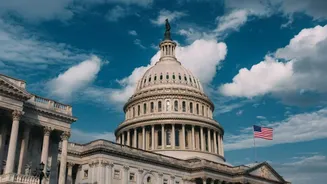
The bill, which aims to increase economic pressure on Russia over its invasion of Ukraine, was passed by the US House of Representatives on Wednesday and sent to Trump.
The bill, now named the “Lindsey O. Graham Sanctioning Russia and Iran Act of 2026” in honour of the late South Carolina Republican senator, had already cleared the Senate last month.
The House passed it by a vote of 262-159, with 58 Democrats joining all but seven Republicans in backing the measure.
The bill targets Russia’s energy and defence sectors, as well as its so-called “shadow fleet” of tankers used to evade existing sanctions. The objective is to cut off sources of revenue that Moscow uses to fund its war in Ukraine.
A key provision of the legislation gives Trump authority to impose tariffs of up to 100% on China, India and other countries that continue to rely on Russian oil and gas. The measure also provides for expanded sanctions on Iran.
What Does The Bill Say About 100% Tariffs?
The legislation does not automatically impose a 100% tariff on India or China. Instead, it authorises Trump to impose tariffs of as much as 100% as part of efforts to pressure countries over their purchases of Russian energy.
The tariff provision has been one of the major sources of opposition to the legislation. Critics have argued that it gives the president broad new powers that could affect US allies and lead to higher costs for American consumers.
House Democratic Leader Hakeem Jeffries said the bill could give Trump “unfettered authority” to impose tariffs on Americans, while Democrats also argued that the president already has sufficient authority to sanction Russia.
Democrats have further raised concerns about provisions allowing Trump to avoid imposing sanctions by determining that they are not in the US national interest. They argued that this gives the president wider discretion than is typical in sanctions legislation.
India, China Face Tariff Risk Over Russian Oil
The legislation’s potential impact on India and China stems from their continued dependence on Russian oil and gas.
China has criticised the legislation. A Chinese Foreign Ministry spokesperson said Beijing has “consistently opposed long-arm jurisdiction that lacks a basis in international law” and has not been authorised by the UN Security Council.
The measure, therefore, puts the focus on how Trump may use the powers granted to him if he signs the bill into law, particularly in relation to countries that continue buying Russian energy.