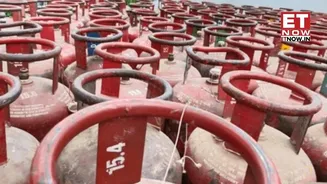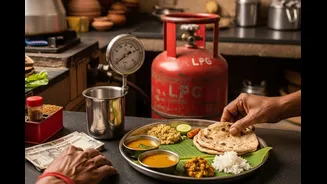





Restaurants across Mumbai are grappling with rising operational costs as an ongoing LPG shortage disrupts fuel supply. What began as a temporary strain is now reflecting on menus, with eateries, from roadside
stalls to legacy bakeries, either increasing prices or planning to do so soon.
According to a report in Indian Express, Vijay Shetty, owner of Udupi Shri Krishna and president of the Indian Hotel and Restaurant Association, stated that most restaurants in the city have already raised prices by 10-20%. Rising input costs like vegetables, edible oil, packaging materials, and even emergency purchases like induction stoves have collectively driven the increase.
How The Crisis Began
The issue traces back to a government circular issued on March 5, directing oil marketing companies to prioritise LPG supply for domestic consumers. This led to hoarding and black marketing, triggering a severe shortage for commercial users.
Restaurants of all sizes, along with bakeries that had already moved away from traditional wood-fired ovens due to court orders, suddenly found themselves struggling to access fuel. In the black market, LPG cylinder prices surged to Rs 4,000 or more.
Many establishments initially absorbed the costs, but that buffer period has now ended.
Impact On Menus And Operations
At Udupi Shri Krishna, a popular lunch destination in Kamla Mills, menu prices have risen by nearly 20%. A veg sandwich that earlier cost Rs 70 is now priced at Rs 90, while pav bhaji and uttapam have also become more expensive.
Despite slight improvements in supply, the situation remains strained. The restaurant currently receives just one or two cylinders a week against a daily requirement of one. As a result, its menu has been reduced by nearly 30%, with items like dosa temporarily unavailable.
Smaller Eateries Also Feeling The Burden
At Aram Vada Pav, prices are set to increase by 7-10% from April 13. Owner Kaustubh Tambe highlighted rising costs, noting that edible oil prices have increased by Rs 100-125 within a month, while coal prices have jumped from Rs 38 to Rs 60. The eatery received only four cylinders last week despite needing two daily.
Menu cuts are already visible as items like upma and upvas missal have been removed.
Bakeries Struggle To Keep Up
Legacy establishments are also under pressure. The 118-year-old American Express Bakery has reduced production by around 30% due to limited gas supply, receiving only one cylinder every 20-25 days. While staple items will retain their prices, products like puffs and sandwiches may see a 10-15% hike by mid-to-late May.
Similarly, Vienna Bakery, a 67-year-old neighbourhood favourite, is holding prices steady until April 15, after which a 10-15% increase is expected.
Businesses Forced To Adapt
Several establishments have adopted alternative fuel sources to keep operations running. Shree Thaker Bhojanalay, which briefly shut during the peak of the crisis, has resumed operations using a mix of LPG, coal, and induction stoves.
At Jhama Sweets, production was halted temporarily before switching to diesel-based systems and induction cooking for items like jalebis.
Meanwhile, New Edward Bakery has increased retail prices: ladi pav now costs Rs 15, up from Rs 12, while continuing operations with limited gas supply and electric alternatives.
Pradeep Shetty of the Hotel and Restaurant Association of Western India noted that operating costs in the hospitality sector have risen by around 20% since late February. With expenses mounting, many businesses have little choice but to revise prices.
Shift Towards PNG And Government Response
Authorities are encouraging restaurants to switch to Piped Natural Gas (PNG) as a long-term solution. In response, AHAR has set up assistance camps in Wadala to help restaurant owners apply for PNG connections.
Those applying are being assured priority LPG supply in the interim.
Signs Of Partial Recovery
According to the IE report, some establishments are beginning to stabilise operations through improvisation. Hotel Sadanand is currently receiving 20-30% of its LPG needs and has applied for a PNG connection. Minor improvements are visible, such as expanded thali offerings and partial restoration of cooking methods.
At Lucky Restaurant, operations continue using a mix of coal and gas, though supply remains inconsistent. Despite applying twice for PNG, the owner reports delays in approvals.
A Crisis Affecting The Entire Food Chain
From small vendors to established restaurants and century-old bakeries, the LPG shortage has disrupted Mumbai’s entire food ecosystem.
While some businesses are coping through innovation and cost-cutting, the burden is increasingly being passed on to customers, making higher food prices an unavoidable reality in the coming weeks.