




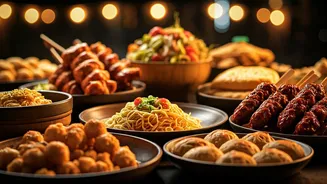


If 2025 had a defining flavour, it was one of transition. Across restaurants, home kitchens, and digital food spaces, India’s dining habits began to shift in ways that felt both intentional and inevitable.
Insights from Godrej Food Trends Report 2025 reflected not just what people ate, but how they approached food altogether. The modern Indian consumer emerged as more layered than ever – seeking authenticity without sacrificing convenience, embracing global influences while staying rooted in familiar flavours, and prioritising health alongside indulgence. The result was a dining landscape that felt dynamic, expressive, and constantly evolving.
Indian Desserts Are Being Reimagined Through Fusion, Fruit, and Healthier Formats
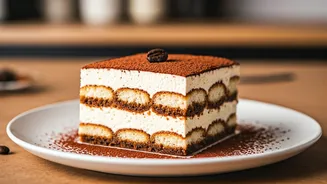
India’s dessert landscape continued to evolve in 2025 as traditional sweets found new life through modern interpretations. The fusion desserts inspired by classic mithai gained momentum, with chefs experimenting with formats such as cheesecakes, truffles and plated desserts. At the same time, chocolate-forward creations, fruit-led desserts and lower-sugar alternatives found growing appeal among younger consumers, signalling a shift toward desserts that balance indulgence, nostalgia and modern tastes.
The evolution has also been reflected in the industry growth patterns. According to How India Eats 2025, desserts and ice-cream parlours are among the fastest-growing segments in India’s organised food services space, signalling sustained consumer appetite for Indulgence.
Social Media Continued To Shape What India Eats
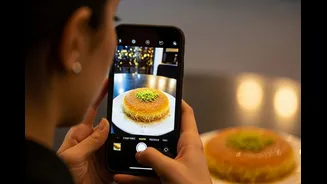
Food discovery is now firmly digital-first. Instagram reels, YouTube reviews, and creator-led food content played a major role in shaping dining choices throughout 2025. Food-related content continues to be among the most widely consumed categories on social media in India, with millions of users turning to short-term videos and creators’ recommendations to discover new restaurants and dishes. Many diners discovered new restaurants not through traditional advertising, but through viral dishes and influencer recommendations.
For instance, Bastian Hospitality regularly curates pop-ups, collaborations, and experiential events that are designed to be highly shareable online, helping in creating buzz both on social media and on the ground as well.
Snacking Culture Continued To Grow
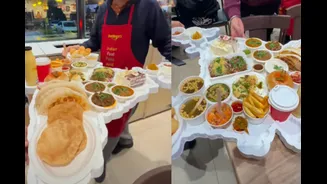
India’s long-standing love for snacks reached new heights in 2025. Instead of relying on three structured meals, many consumers adopted a grazing-style approach to eating, with multiple snacks throughout the day. This shift encouraged innovation in snack formats from gourmet chips and fusion street food to protein-packed bites. Restaurants and cafés adapted by introducing small plates menus designed for sharing, reflecting the country’s evolving eating habits.
Dining Became An Experience, Not Just A Meal
Perhaps the most defining shift of 2025 was the growing importance of experiential dining. Consumers increasingly sought restaurants that offered more than just good food; they wanted immersive experiences, storytelling, and chef-driven menus. Restaurants such as Papa’s in Mumbai, known for its intimate tasting menu format, Bombay Daak with its theatrical interpretation of regional Indian flavours, and Masala Library with its modernist, presentation-driven cuisine, exemplify how dining spaces are increasingly being designed as immersive culinary experiences. Tasting menus, themed pop-ups, and collaborative chef events became more common, transforming dining out into a form of entertainment.