






The Trump administration is working to arrange a meeting in Pakistan this weekend to discuss a potential off-ramp to the ongoing war with Iran, CNN reported, citing two senior administration officials
familiar with the matter.
According to the report, current plans involve US Vice President JD Vance travelling to Pakistan, possibly alongside other senior administration officials.
However, the officials cautioned that details of the trip remain fluid, including the timing, venue and participants, as discussions continue within the White House.
The report mentioned that the administration is actively assessing diplomatic pathways to de-escalate the conflict, which has continued for nearly four weeks and expanded across multiple fronts in West Asia.
Sources familiar with the discussions told CNN that Turkey has also emerged as a possible venue for talks, as some officials have raised security concerns about holding high-level negotiations in Pakistan.
One of the officials said conversations regarding the trip are expected to continue at the White House.
US PRESSURE CONTINUES ALONGSIDE DIPLOMATIC OUTREACH
Even as Washington explores possible negotiations, the White House has maintained strong rhetoric toward Tehran.
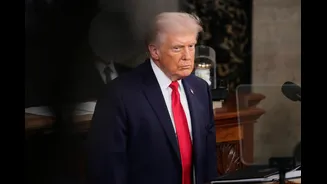
US President Donald Trump is prepared to escalate military pressure if Iran does not agree to a deal to end the war.
White House Press Secretary Karoline Leavitt said Trump is ready to respond forcefully if Tehran refuses to accept current realities on the battlefield.
“If Iran fails to accept the reality of the current moment, Trump will ensure they are hit harder than they have ever been hit before,” Leavitt said.
Trump also suggested Iran is engaging indirectly in diplomacy but is reluctant to publicly acknowledge it.
“They are negotiating, by the way, and they want to make a deal so badly,” Trump said during remarks, adding that Iranian officials fear internal repercussions if they publicly confirm talks.
TEHRAN SIGNALS CONDITIONS, DENIES DIRECT TALKS
Iran has publicly rejected the suggestion that formal negotiations with the United States are underway, though it acknowledged that messages are being exchanged through intermediaries.
Iranian Foreign Minister Abbas Araghchi said communication through mediating countries should not be interpreted as direct talks with Washington.
Tehran has indicated that any ceasefire arrangement must also take into account the situation in Lebanon, underscoring the broader regional dimension of the conflict.
Iran has also conveyed conditions for ending hostilities that include limits on military activity and broader guarantees tied to regional security dynamics.
PROPOSALS UNDER DISCUSSION THROUGH INTERMEDIARIES
AFP reported that Pakistan has been among the countries acting as intermediaries between Washington and Tehran.
The AFP report said the US has put forward a plan addressing issues such as Iran’s strategic capabilities and regional security concerns, while Tehran has responded cautiously and indicated that any agreement must reflect its own terms.
Iranian officials cited by AFP have stressed that ending the war would require assurances against future military action and recognition of Iran’s strategic interests.
CONFLICT CONTINUES AS DIPLOMATIC WINDOW REMAINS UNCERTAIN
Despite diplomatic efforts, hostilities have continued across multiple fronts in the region, highlighting the challenges facing negotiators attempting to secure a breakthrough.
The conflict has involved ongoing military activity involving Iran and regional actors, with both sides maintaining pressure even as proposals are being exchanged through intermediaries.
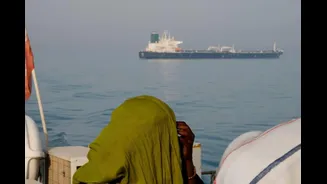
The war has affected key strategic routes and contributed to volatility in global energy markets, adding urgency to efforts aimed at de-escalation.
ALSO READ | Iran Claims It Targeted US F-18 Fighter Jet, Releases Video; Pentagon Says ‘No Aircraft Shot Down’