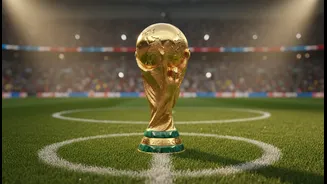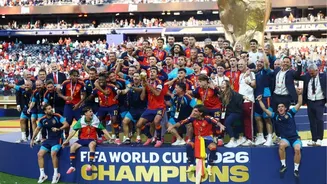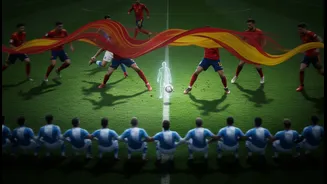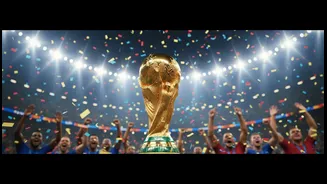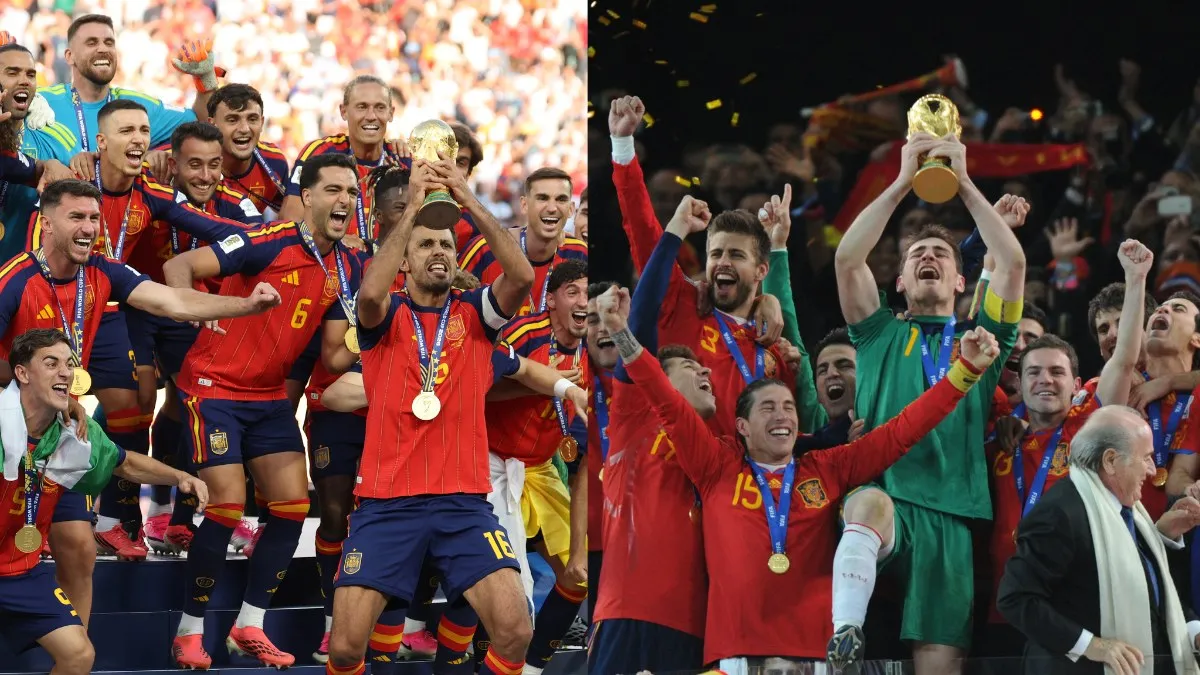






The 2026 FIFA World Cup will be remembered for far more than Spain’s 1-0 extra-time victory over Argentina in the final.
The first-ever 48-team World Cup rewrote football history from start to finish, producing
record attendances, record goals, groundbreaking innovations and unforgettable individual achievements that may stand for generations.
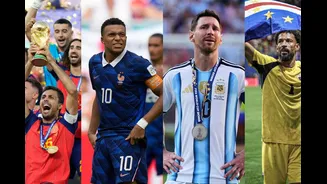
From Lionel Messi’s final World Cup appearance to Kylian Mbappé breaking the all-time scoring record, and from Spain’s defensive masterclass to Cape Verde’s fairytale run, the tournament delivered milestone after milestone.
Spain crowned world champions again
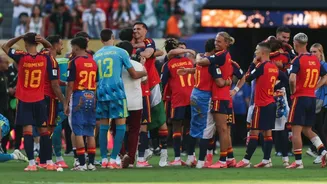
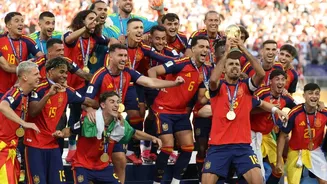
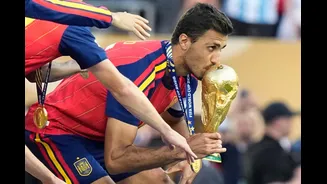
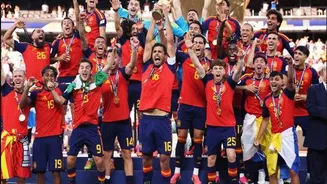
Spain defeated Argentina 1-0 after extra time to lift their second FIFA World Cup title, ending a 16-year wait since their maiden triumph in 2010.
First-ever World Cup half-time show
The final became the first in tournament history to feature a Super Bowl-style half-time show, with performances from Madonna, Shakira, BTS, Ronaldo, Ronaldinho and other global stars.
Biggest World Cup ever staged
The 2026 edition introduced the expanded 48-team format, featuring a record 104 matches across the United States, Canada and Mexico.
Record-breaking attendance
More than six million fans attended matches, making it the highest-attended FIFA World Cup ever.
Most goals in World Cup history
The expanded tournament also produced the highest total number of goals ever scored in a single FIFA World Cup.
Spain become first champions to concede only one goal
Luis de la Fuente’s side allowed just one goal throughout the tournament, setting a new benchmark for the best defensive record by a World Cup-winning team.
Spain join football’s most exclusive club
La Roja became only the fourth nation to win a men’s World Cup without trailing for a single minute, joining Italy (1938, 1982) and West Germany (1990).
Spain hold both World Cups simultaneously
Spain became the first nation to simultaneously hold the men’s and women’s FIFA World Cup titles following the women’s triumph in 2023.
Oldest World Cup-winning coach
At 65, Luis de la Fuente became the oldest manager ever to win the FIFA World Cup.
38-match unbeaten run
Spain extended their unbeaten streak to 38 matches, the longest ever by a European or South American national team.
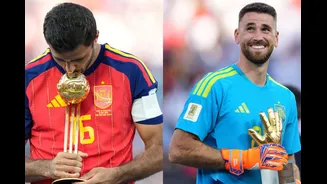
Rodri’s historic quadruple
Rodri became only the fourth player in history to win the Ballon d’Or, UEFA Champions League, FIFA World Cup and World Cup Golden Ball.
Rodri joins football’s immortals
He also became just the 11th player to complete the World Cup–Champions League–Ballon d’Or treble.
Pau Cubarsí makes history
The teenage defender won the Best Young Player award, becoming only the second defender to receive the honour.
Championship rings introduced
FIFA awarded championship rings to the winners for the first time, borrowing a tradition long associated with American sports.
Mbappé breaks the all-time scoring record
France captain Kylian Mbappé became the highest goalscorer in FIFA World Cup history with 22 goals.
Back-to-back Golden Boots
Mbappé also became the first player to win consecutive Golden Boot awards.
Messi sets another assist record
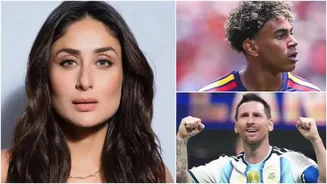
Lionel Messi finished his tournament as the FIFA World Cup’s all-time leading assist provider with 12 assists.
Messi equals Cafu’s finals record
The Argentine icon became only the second player to appear in three men’s World Cup finals.
Argentina’s unwanted record
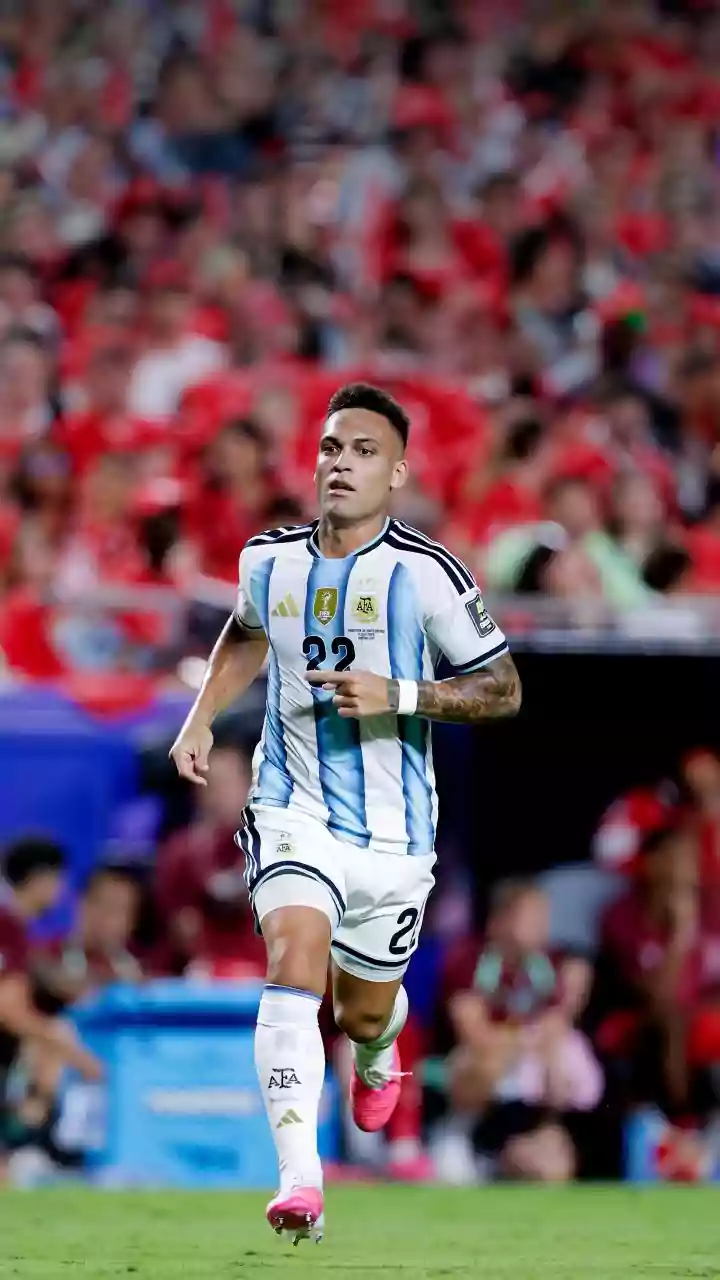
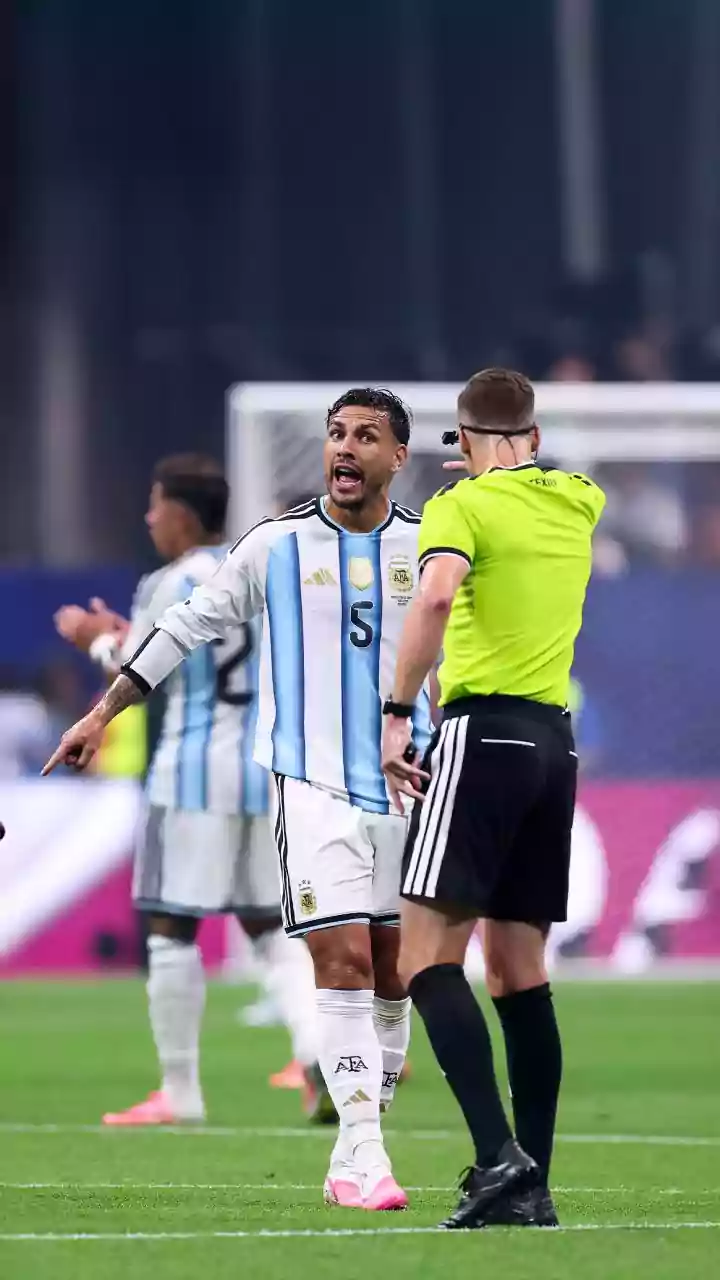
The defending champions became the first team in World Cup final history to fail to register a shot on target, while also extending their record for the most red cards in World Cup history.
Emiliano Martínez’s final heroics
The Argentine goalkeeper produced 10 saves in regulation time, the most ever recorded in a men’s World Cup final.
Cristiano Ronaldo extends another record
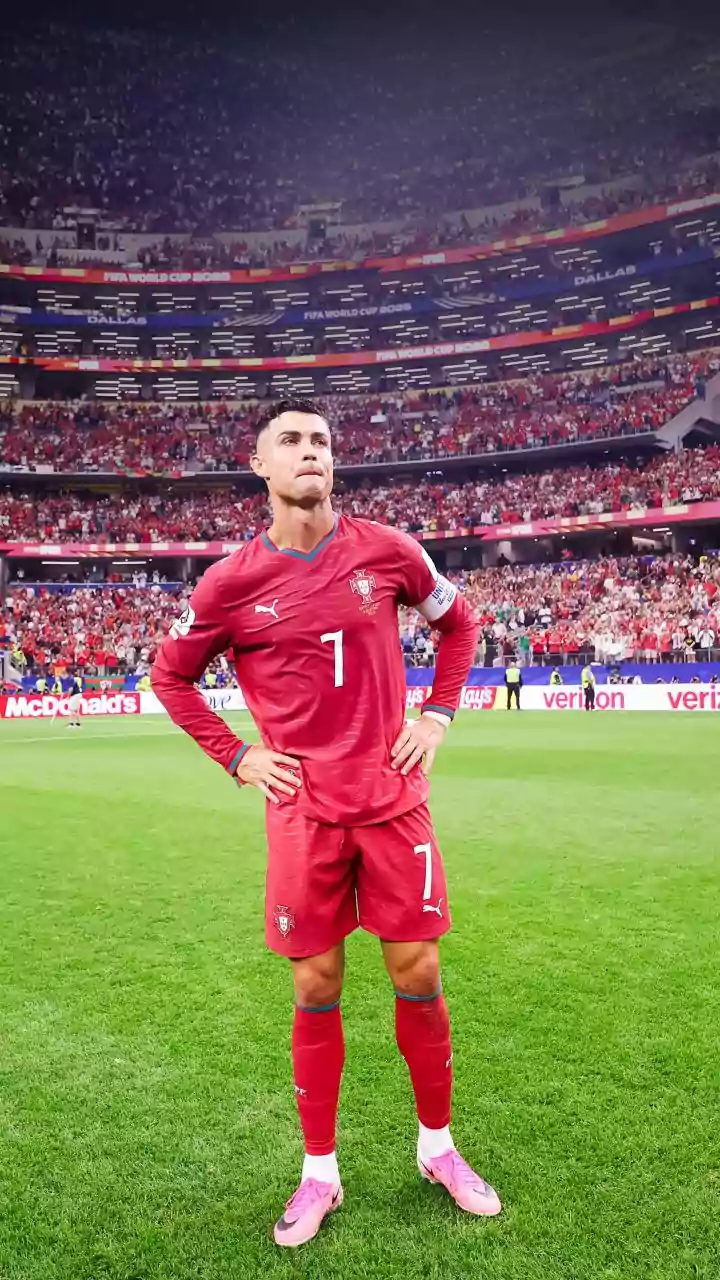
Ronaldo became the first footballer to score in six different FIFA World Cups.
Cape Verde’s fairytale
Cape Verde became the smallest nation by population ever to reach the FIFA World Cup knockout stages.
Dick Advocaat’s longevity
Curaçao boss Dick Advocaat became the oldest head coach in FIFA World Cup history at 78.
Final of champions
The final was the first to feature the reigning European champions (Spain) against the reigning South American champions (Argentina), and also the first World Cup final between FIFA’s top two ranked men’s teams.