





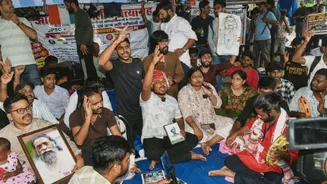
Cockroach Janata Party (CJP) founder Abhijeet Dipke has condemned the alleged police lathi-charge on students protesting peacefully in Jharkhand and extended his support to student leader Devendra Nath
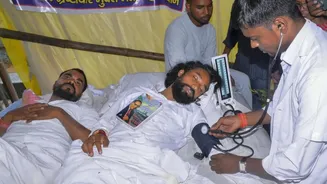
Mahato, who is undergoing treatment in hospital amid his indefinite hunger strike.
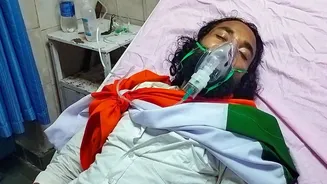
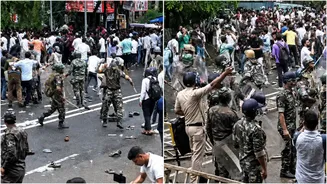
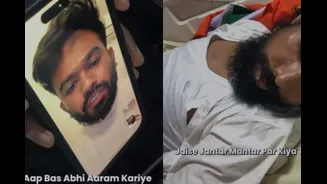
Dipke on Monday spoke to Mahato over a video call after the student leader was admitted to hospital following the alleged police action. According to the CJP, Mahato had already completed nine days of a hunger strike and was physically weak when the alleged lathi-charge took place.
During the conversation, Mahato reportedly described the incident to Dipke and spoke about the police action against students participating in the agitation. The CJP claimed that the student leader had suffered severe chest pain and other injuries following the alleged assault.
His condition is reported to be critical and he is currently receiving oxygen support.
‘Whether It Is Jantar Mantar Or…’
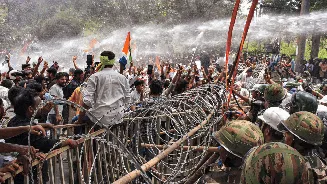
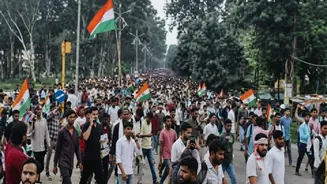
The incident has triggered sharp criticism from Abhijeet Dipke, who questioned the use of force against students engaged in a peaceful protest. He asserted that democratic dissent cannot be dealt with through intimidation or physical force.
“Whether it is Jantar Mantar in New Delhi or the streets of Jharkhand, such brutal and inhumane police action against students exercising their democratic right to protest is completely unacceptable,” Dipke said.
Calling Mahato a “true hero” for continuing his fight for the student community despite his deteriorating health, he said that the CJP would stand firmly behind him.
“Devendra Bhai is putting his own life on the line for the student community. We salute his courage, perseverance and strength,” he said.
The CJP has demanded an immediate and impartial inquiry into the alleged police action and sought strict action against officials found responsible for ordering the lathi-charge.
The party also said that the voices of students and young people cannot be silenced through government pressure or the use of force, stressing that peaceful protest and democratic dissent must be protected.