





Sri Lanka, long seen as one of Asia’s most affordable island getaways, may no longer be as easy on the pocket—at least for now. The country is once again facing pressure on fuel supplies and prices, triggered
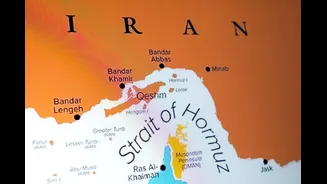
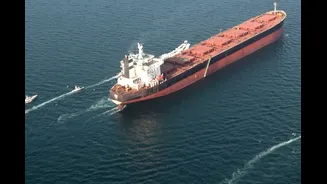
by rising global oil costs amid escalating geopolitical tensions, including the ongoing conflict in the Middle East involving the US, Israel and Iran.
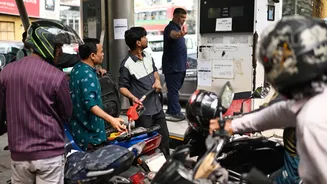
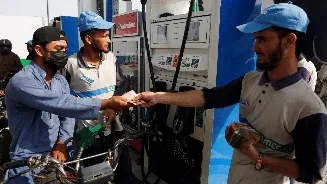
Recent reports indicate that Sri Lanka has already increased fuel prices by nearly 25%, reflecting disruptions in global oil supply chains. At the same time, economists warn that any further escalation could push prices even higher, particularly for countries like Sri Lanka that rely heavily on imported fuel.
How This Impacts Your Travel Budget
Sri Lanka’s economy is deeply dependent on imported energy. This means even a slight rise in global crude oil prices quickly trickles down to everyday costs.
According to economic assessments, higher fuel import bills directly translate into increased transport fares, electricity tariffs, and production costs across sectors.
For travellers, this has a cascading effect—making everything from airport transfers to hotel stays more expensive.
Transport costs will rise: From tuk-tuks to private taxis and even intercity buses, fuel hikes push up fares almost immediately. Guided tours and safari trips—already among the pricier experiences—could become even more expensive.
Airfares may increase: Global fuel price spikes also affect aviation. Airlines often pass on higher jet fuel costs to passengers, leading to pricier tickets—especially on international routes. Air Asia has already announced fare hike with ticket prices now up by 30-40%.
Hotel and food prices could climb: Hotels rely on fuel for electricity, air conditioning, and logistics. Restaurants, too, face higher input costs. These increases are often reflected in room tariffs and menu prices.
Tourist hotspots may feel more expensive: Sri Lanka has already been witnessing a gradual rise in tourism-related costs, partly driven by its need to earn foreign exchange after the 2022 economic crisis. Entry fees, guided tours, and even basic services in popular destinations can feel steep.
Tips To Keep Your Sri Lanka Trip Budget-Friendly
Despite rising costs, Sri Lanka continues to offer a wide range of travel options. For Indian travellers, budget trips can still be managed at roughly Rs 2,000–Rs 3,500 per day, while mid-range travel may cost around Rs 4,000–Rs 7,500 per day, depending on your comfort level and the kind of experiences you choose.
The key difference now? Price variability is higher, and your travel style will significantly influence how much you spend. If Sri Lanka is still on your bucket list, here’s how to travel smart:
Use public transport: Sri Lanka’s trains and buses are not just scenic but extremely affordable. They can help you cut down significantly on travel costs.
Choose local stays over luxury resorts: Guesthouses and homestays are far cheaper and often offer a more authentic experience.
Eat local: Street food and local eateries are both delicious and budget-friendly, often costing just a few dollars per meal.
Plan and pre-book: Locking in hotel rates and tours in advance can protect you from sudden price surges.
Limit private tours: Opt for group tours or self-guided exploration where possible to save money.