



Few snacks spark as much debate as popcorn. Often associated with movie nights and buttery indulgence, it is easy to overlook that popcorn actually begins as a whole grain – maize. When prepared simply,
both maize and popcorn can offer meaningful nutritional benefits, from fibre and antioxidants to sustained energy. The key, however, lies in how they are cooked and consumed.
Experts say that understanding maize in its natural form reveals why it has remained a staple food across cultures for centuries. “Popcorn is often misunderstood as a guilty indulgence, when in reality it is one of the few snacks that begins its journey as a whole grain,” explains SBP Pattabhi Rama Rao, Managing Director of Gourmet Popcornica Pvt. Ltd.
He adds, “At its core, popcorn is simply maize that has been heated – retaining the bran and germ that provide fibre, antioxidants, and essential micronutrients. When air-popped and lightly seasoned, it offers a rare combination of volume, satiety, and relatively low calories.”
The Nutritional Value Of Maize
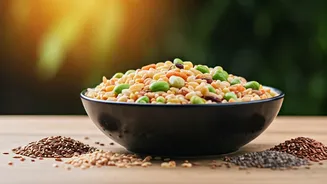
Maize, or corn, is widely recognised as a whole grain rich in complex carbohydrates, making it a reliable source of sustained energy. According to Archana Batra, Dietitian and Certified Diabetes Educator, it also contributes to digestive health.
“Maize provides dietary fiber that supports digestion, promotes gut health, and helps maintain stable blood sugar levels. It also contains vitamin B-complex nutrients such as thiamine, magnesium, and antioxidants like lutein and zeaxanthin, which are beneficial for eye health,” she explains.
These antioxidants play an important role in protecting the body against oxidative stress and supporting long-term wellness.
Why Popcorn Can Be A Smart Snack
Because popcorn is simply heat-popped maize, it carries many of the same nutritional advantages. When prepared without excessive butter or sugar, it can be a surprisingly balanced snack option.
“Plain, air-popped popcorn is low in calories and high in fiber, making it a filling snack that supports weight management,” says Anuja Gaur, Visiting Consultant for Weight Management and Diet Therapy at Aakash Healthcare, Delhi. She adds that popcorn also contains polyphenols, plant compounds with antioxidant properties that help combat oxidative stress in the body.
However, she cautions that the health benefits depend heavily on preparation. She explains, “When large amounts of butter, sugar, or artificial flavourings are added, the nutritional value can drop significantly.”
The Importance Of Mindful Preparation
Experts agree that the healthiest versions of maize and popcorn are the simplest ones. Boiled or roasted corn with minimal seasoning and air-popped popcorn topped with herbs or light spices are far better choices than heavily processed variations.
Rao also notes that popcorn’s growing popularity reflects changing consumer habits. “What is interesting today is how popcorn is evolving beyond cinema halls into everyday lifestyles. With more people working longer hours and spending time at home, popcorn fits naturally into modern routines as a snack that feels comforting without being overly heavy,” he says.
A Classic Grain With Modern Relevance
As consumers become more conscious about ingredients, sourcing and portion sizes, traditional foods like maize are gaining renewed appreciation.
When prepared thoughtfully and eaten in moderation, maize and popcorn can offer a satisfying balance of taste and nutrition, proving that simple whole grains can still play an important role in contemporary diets.