







Most of us know the basics of brushing, yet dental disease remains one of the most common chronic conditions worldwide. The good news is that optimal oral health isn’t about expensive products or genetic
luck, it’s about technique and consistency. Modern dentistry emphasises that your mouth is a gateway to the rest of your body, meaning the health of your gums can influence everything from heart health to diabetes management.
Dr Nirali Patel, Cosmetic Dentist and Founder, Smile Craft Dental Studio, Ahmedabad, shares five evidence-based habits dental professionals urge patients to adopt for a stronger, healthier smile.
1. Master the Two-Minute Fluoride Routine
Brushing is non-negotiable, but how you brush matters more than how often. Dental associations recommend brushing for a full two minutes, twice a day. Most people average only about 45 seconds, which leaves plaque behind. Use a soft-bristled brush and fluoride toothpaste, holding the brush at a 45-degree angle to the gums.
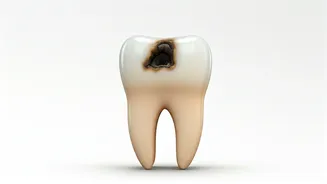
“Plaque is a sticky film of bacteria that produces acid. If it is not thoroughly removed every 12 hours, it hardens into tartar that only a professional can remove, leading to inflammation and decay,” explains Dr Patel.
2. Clean Between Your Teeth Daily
Your toothbrush cleans only about 60% of your tooth surfaces. To reach the tight spaces where gum disease often begins, you must clean between your teeth daily using floss, interdental brushes, or water flossers.
“This isn’t just about removing stuck food. It’s about disrupting the bacterial colonies that hide between teeth,” says Dr Patel.
Neglecting these areas allows bacteria to irritate the gum tissue, causing gingivitis (bleeding gums). If untreated, this can progress to periodontitis, a leading cause of tooth loss in adults.
3. Spit, Don’t Rinse
One of the most impactful changes you can make costs nothing: after brushing, spit out the excess toothpaste but do not rinse your mouth with water.
“Rinsing immediately washes away the concentrated fluoride, significantly reducing its effectiveness,” notes Dr Patel.
Fluoride needs time to sit on the enamel to remineralise and strengthen it. Leaving a thin residue allows it to continue repairing microscopic damage long after you leave the sink.
4. Watch the Frequency of Sugar, Not Just the Quantity
It’s not only the amount of sugar you consume that harms your teeth, but how often you consume it. Each time you eat sugar or refined carbohydrates, bacteria produce acid that attacks your enamel for 20 to 30 minutes.
“Constant snacking or sipping sugary drinks keeps your teeth under continuous acid attack, giving saliva no chance to neutralise the pH and repair the enamel,” explains Dr Nirali Patel.
5. Don’t Wait for Pain to Visit the Dentist
Many people visit a dentist only when they experience a toothache. However, dental checkups are primarily for prevention, not just treatment.
“By the time you feel pain, the problem is often advanced and more expensive to treat,” says Dr Nirali Patel. “Routine visits allow us to detect silent issues such as gum disease, enamel wear, and even oral cancer at an early stage.”
Conclusion: Partner With the Right Dental Care
Building a healthy smile requires consistency at home and professional oversight from a trusted dental team. By combining proper cleaning techniques, smart dietary habits, and regular checkups, you can protect your teeth for a lifetime.