






As temperatures climb past the 40°C mark across several parts of India, the impact isn’t just felt outdoors, it seeps into homes, making everyday living increasingly uncomfortable. Prolonged heatwaves
can lead to dehydration, fatigue, poor sleep, and even heat-related illnesses, making it essential to create a cooler indoor environment.
While air conditioners offer quick relief, they aren’t always sustainable or accessible. The good news? There are simple, natural ways to reduce indoor heat and make your home more comfortable, without over-reliance on electricity.
1. Block Heat Before It Enters
The most effective way to cool your home is to stop heat from getting in. Keep curtains or blinds drawn during peak sunlight hours, especially on windows facing west and south.
Opt for thick cotton curtains, bamboo blinds, or reflective window films to reduce heat absorption. Even something as simple as using light-coloured fabrics can make a noticeable difference.
2. Maximise Cross Ventilation
Airflow is key during a heatwave. Open windows early in the morning and late in the evening to let cooler air circulate through your home.
Creating cross ventilation by opening windows on opposite sides helps push hot air out and bring fresh air in, naturally lowering indoor temperatures.
3. Bring in Indoor Plants
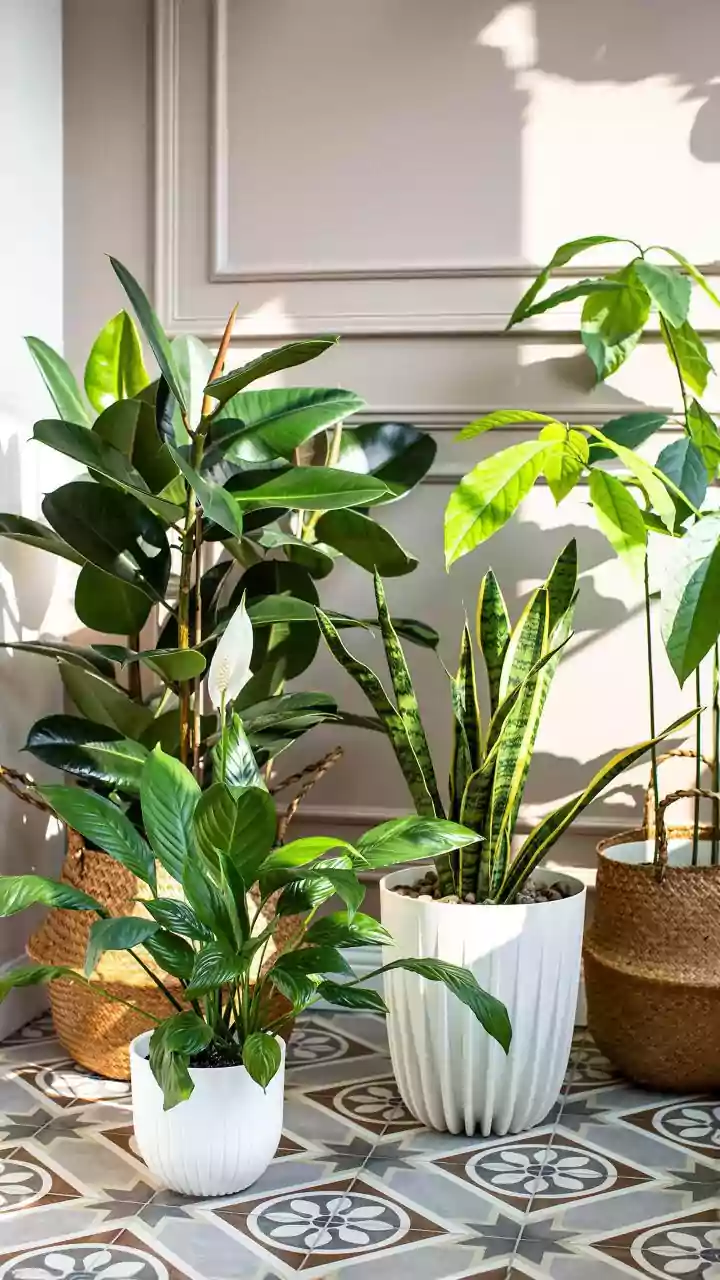
Houseplants don’t just enhance aesthetics, they can help regulate indoor temperatures. Plants release moisture into the air through a process called transpiration, which creates a subtle cooling effect.
Options like areca palm, aloe vera, and snake plant are low-maintenance and well-suited for Indian homes.
4. Use Water as a Cooling Tool
Water can significantly reduce heat levels indoors. Place bowls of water near windows, hang damp curtains, or lightly mop floors during the hottest parts of the day to cool surfaces.
You can also place a bowl of ice in front of a fan to create a makeshift cool breeze.
5. Switch to Breathable Fabrics
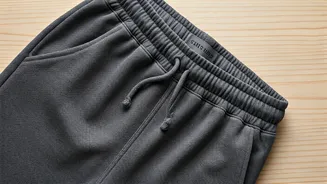
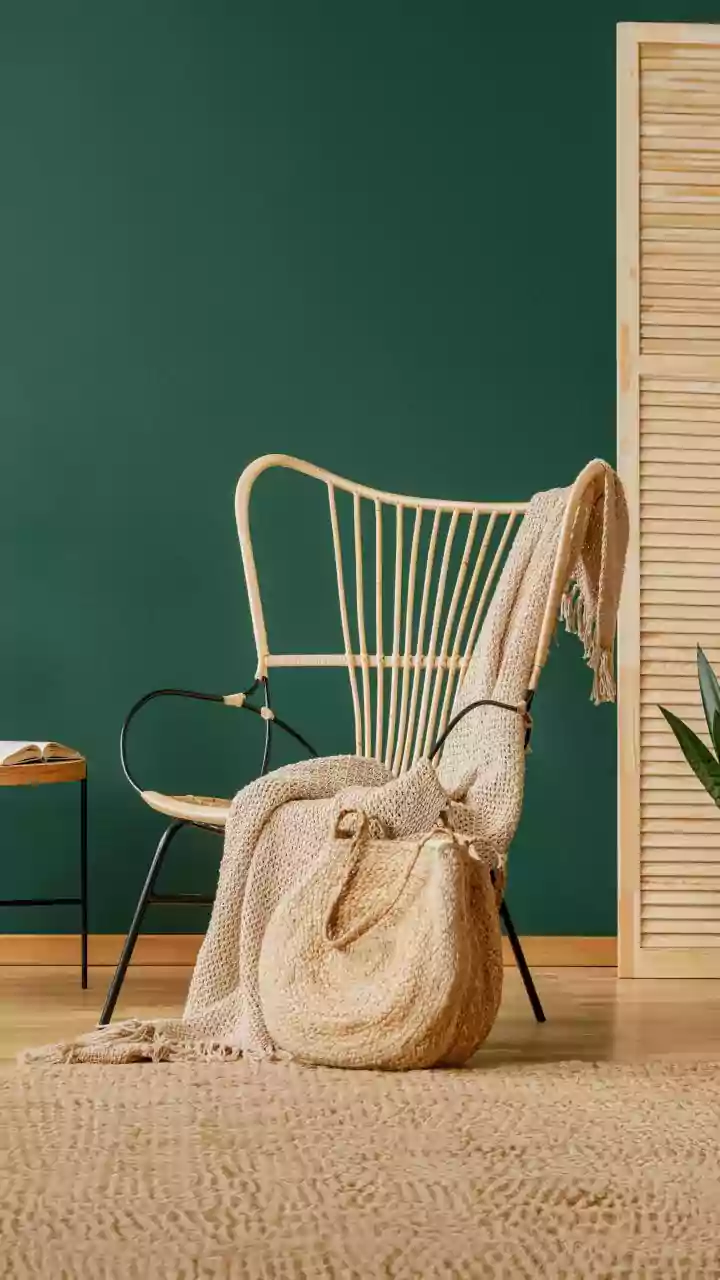
Your home’s interiors can trap heat depending on the materials you use. Swap heavy upholstery, rugs, and bedding for lighter, breathable fabrics like cotton and linen during summer months.
These materials allow better air circulation and prevent heat from being retained indoors.
The Bottom Line
As heatwaves become more frequent and intense, adapting your living space is no longer optional, it’s essential. Small, mindful changes can go a long way in keeping your home cooler, more comfortable, and energy-efficient. Because when temperatures rise, comfort should still feel within reach.