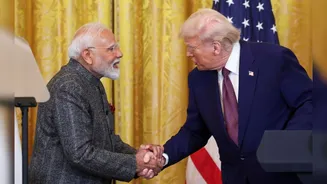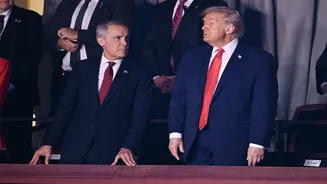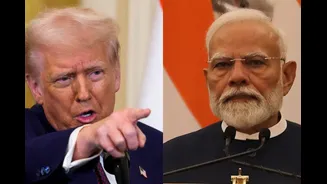





US President Donald Trump said he shares a “very good relationship” with Prime Minister Narendra Modi, but claimed the Indian leader is unhappy with him over the high tariffs New Delhi faces because of
its continued purchase of Russian oil.
“I have a very good relationship with PM Modi, but he is not happy with me as India is paying high tariffs due to its purchase of Russian oil,” Donald Trump said.
India has consistently defended its decision to import Russian crude, maintaining that its energy purchases are guided by national interest and the need to ensure affordable supplies for its citizens. New Delhi has also said it will continue to engage with all partners while safeguarding its strategic and economic priorities.
Donald Trump’s remarks came a day after he warned that Washington could further raise tariffs on Indian goods if New Delhi does not address US concerns over Russian oil imports.
“They wanted to make me happy, basically. PM Modi’s a very good man. He’s a good guy. He knew I was not happy. It was important to make me happy,” Donald Trump said earlier, adding, “They do trade, and we can raise tariffs on them very quickly.”
The US, which has been seeking to narrow its trade deficit with India, doubled import tariffs on Indian goods to 50 per cent last year, citing India’s large-scale purchases of Russian crude. While New Delhi and Washington are negotiating a potential trade agreement, talks have been uneven.
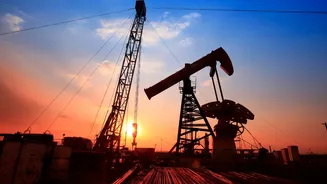
India emerged as the largest buyer of discounted Russian seaborne crude following the outbreak of the Ukraine war in 2022, a move that has drawn criticism from the US seeking to curb Russia’s energy revenues.
Oil Back At Centre Of Geopolitics
Recent developments elsewhere pushed oil to the forefront of global politics. The US strike on Venezuela renewed focus on energy security and supply chains, particularly given the country’s vast reserves. Venezuela holds the world’s largest proven oil reserves- estimated at over 300 billion barrels, or roughly 17 per cent of global reserves, according to OPEC data. However, production has fallen sharply to around 1 million barrels per day, largely due to years of US sanctions and chronic underinvestment.