




India-US trade deal: India’s new trade pact with the United States offers tariff relief for luxury cars and Harley-Davidson motorcycles, but electric vehicles (EVs) have been left out — a setback for Elon
Musk’s Tesla, which has been lobbying for lower import duties in India.
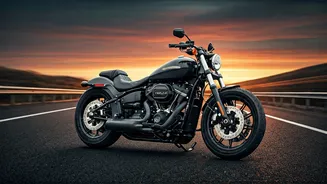
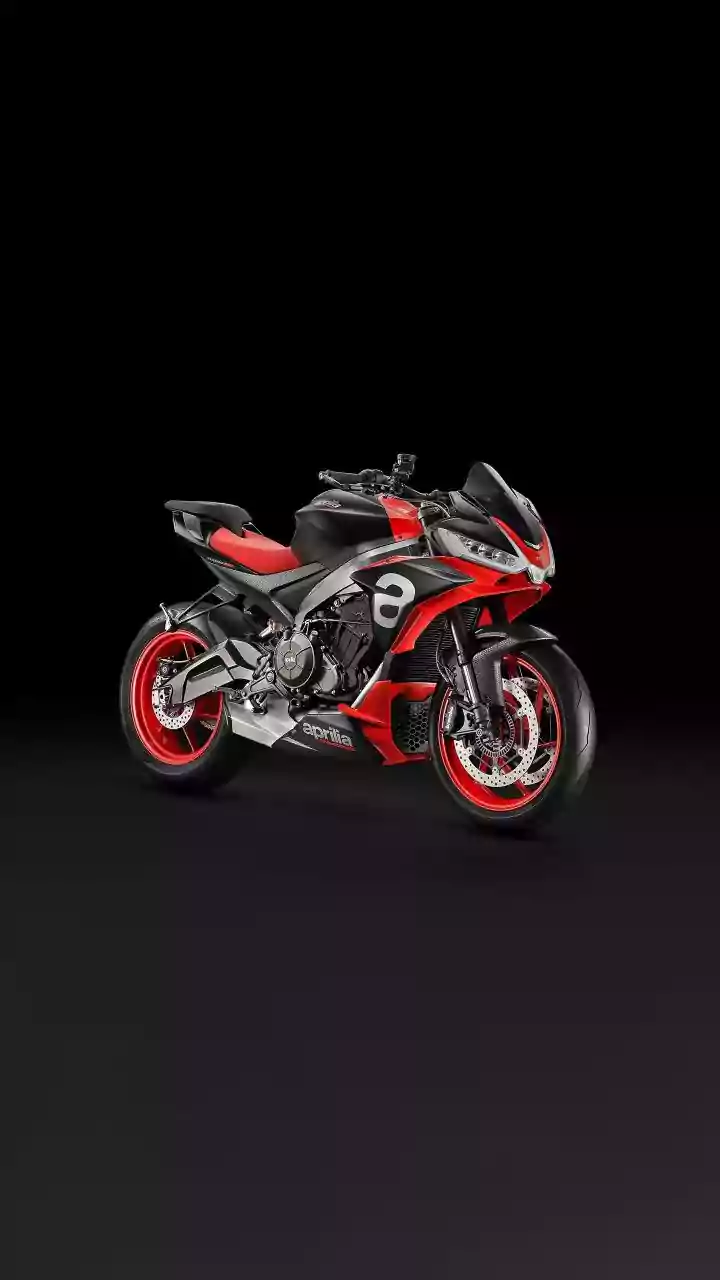
According to officials cited by Reuters on February 7, New Delhi will reduce tariffs on high-end American cars to 30%, down from 110% under the interim trade agreement. Duties on Harley-Davidson bikes will be scrapped entirely. However, the pact makes no concessions for EVs, a move that could hurt Tesla as it attempts to expand in the world’s third-largest passenger vehicle market.
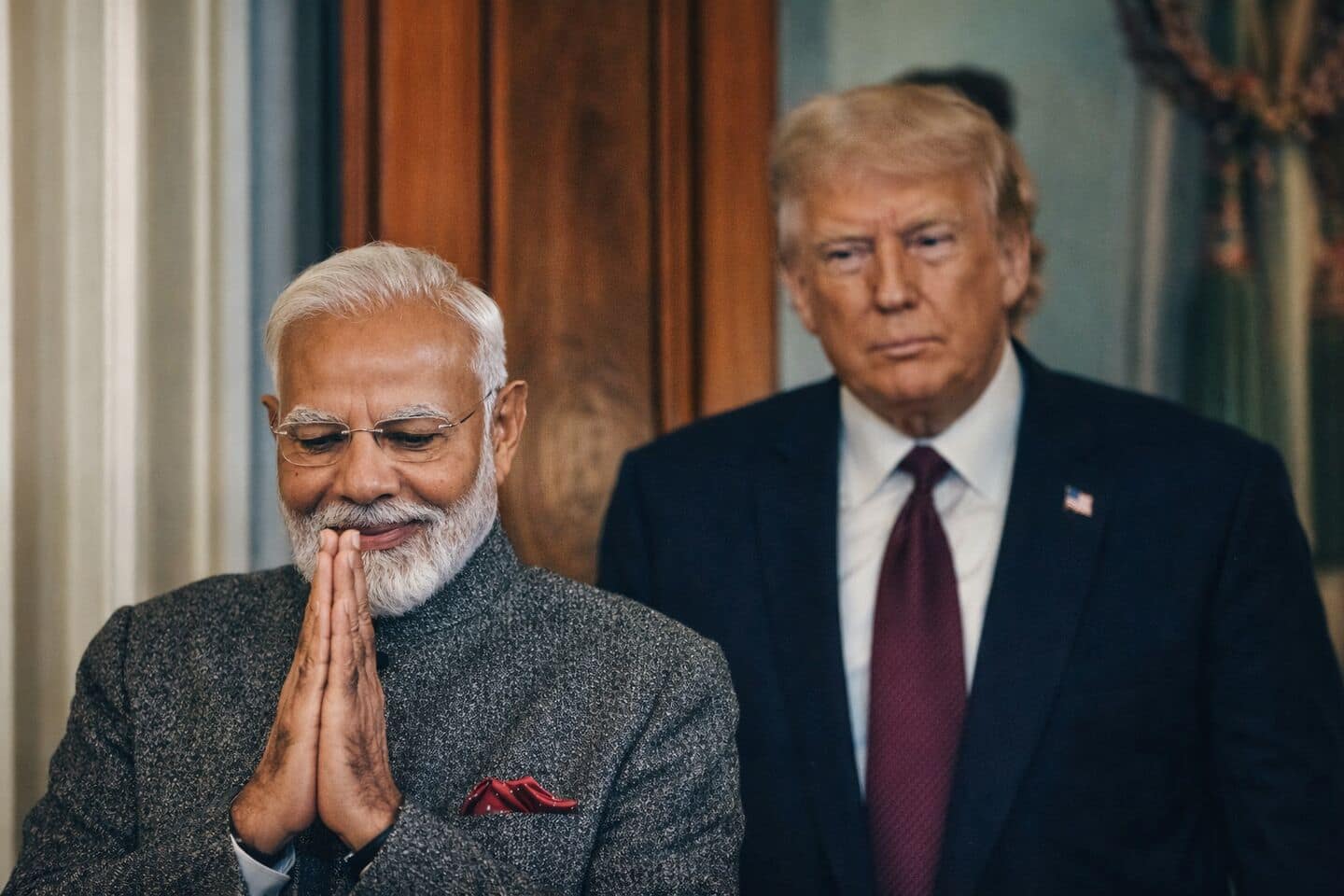
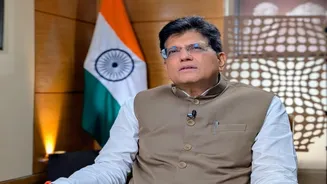
The development follows US President Donald Trump’s February 2 announcement of an interim trade deal with India after months of negotiations and discussions with Prime Minister Narendra Modi. The agreement reduced tariffs on Indian goods from 50% to 18% in exchange for India halting purchases of Russian crude oil.
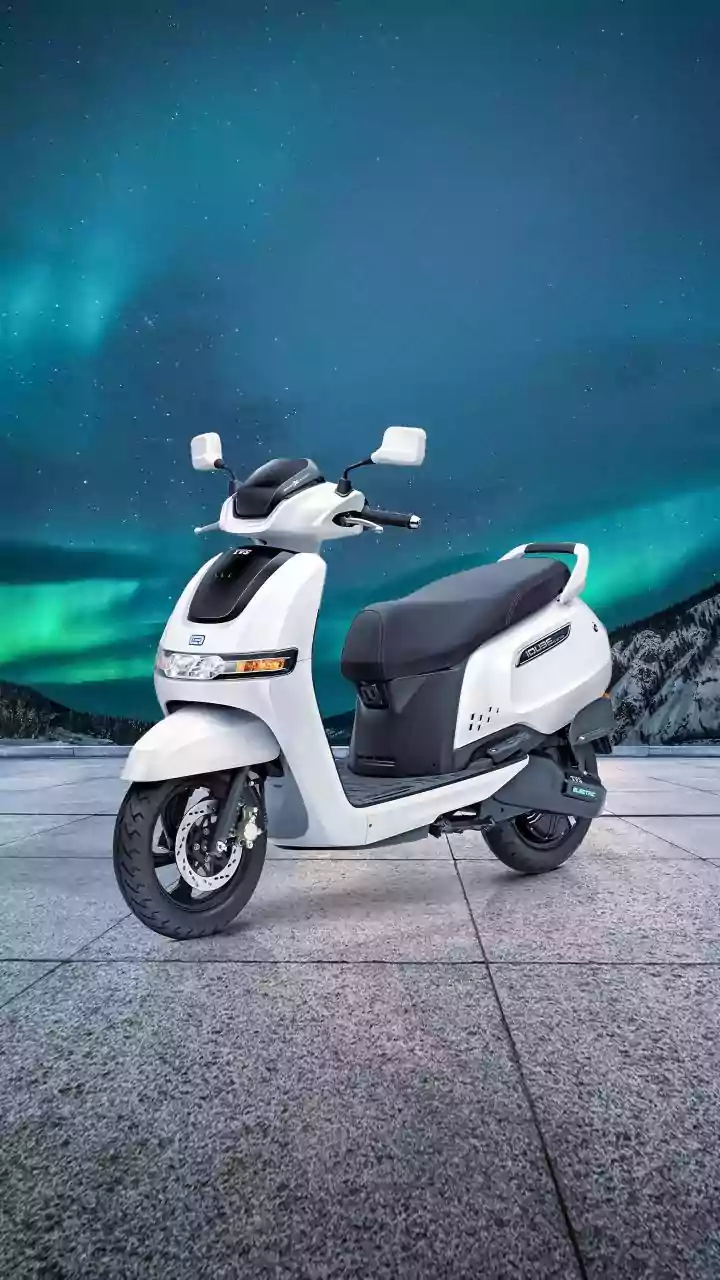
Electric vehicles excluded from the deal
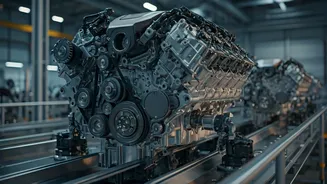
The Reuters report, citing an official, said tariffs on internal combustion engine cars with engine capacities above 3,000 cc will gradually fall to 30% over the next 10 years. EVs, however, have been excluded from the arrangement, potentially shutting the door on a lower-tariff entry route for Tesla.
The decision sidelines a key demand of Tesla CEO Elon Musk, who has frequently criticised India’s high import duties. The exclusion contrasts with the broader market access India has extended to European automakers under its trade agreement with the European Union, where tariffs on a wide range of vehicles could be cut to as low as 10%, including phased concessions for some EVs.
Tesla faces headwinds in India
A Bloomberg report published in January 2026 said Tesla has struggled to sell even one-third of the vehicles it imported into India last year, as several early booking customers withdrew. As it attempts to gain traction in the market, Tesla is offering discounts of up to Rs 200,000 ($2,200) on select variants of its SUV.
Tesla, which entered India in July 2025, has seen a muted debut amid slowing global demand. The company’s global sales declined for a second straight year in 2025, while China’s BYD emerged as the leading EV seller worldwide.
Reduced subsidies and intensifying competition have weighed on Tesla’s market share in regions including the US, Europe and China. In India, buyers remain cautious, citing limited brand visibility and premium pricing.
Reports suggest that some prospective customers back out after test drives, opting instead for alternatives such as BMW’s iX1 or BYD’s Sealion, both priced below Tesla’s Model Y in India and offering competitive features.
In 2025, Tesla registered just 227 vehicles in India, the report noted, adding that several customers who had paid initial deposits are now reluctant to complete their purchases.